
Galvion and Distance have announced a collaboration focused on AR-enabled headworn systems for defense applications, specifically supporting visual augmentation systems for dismounted troops.
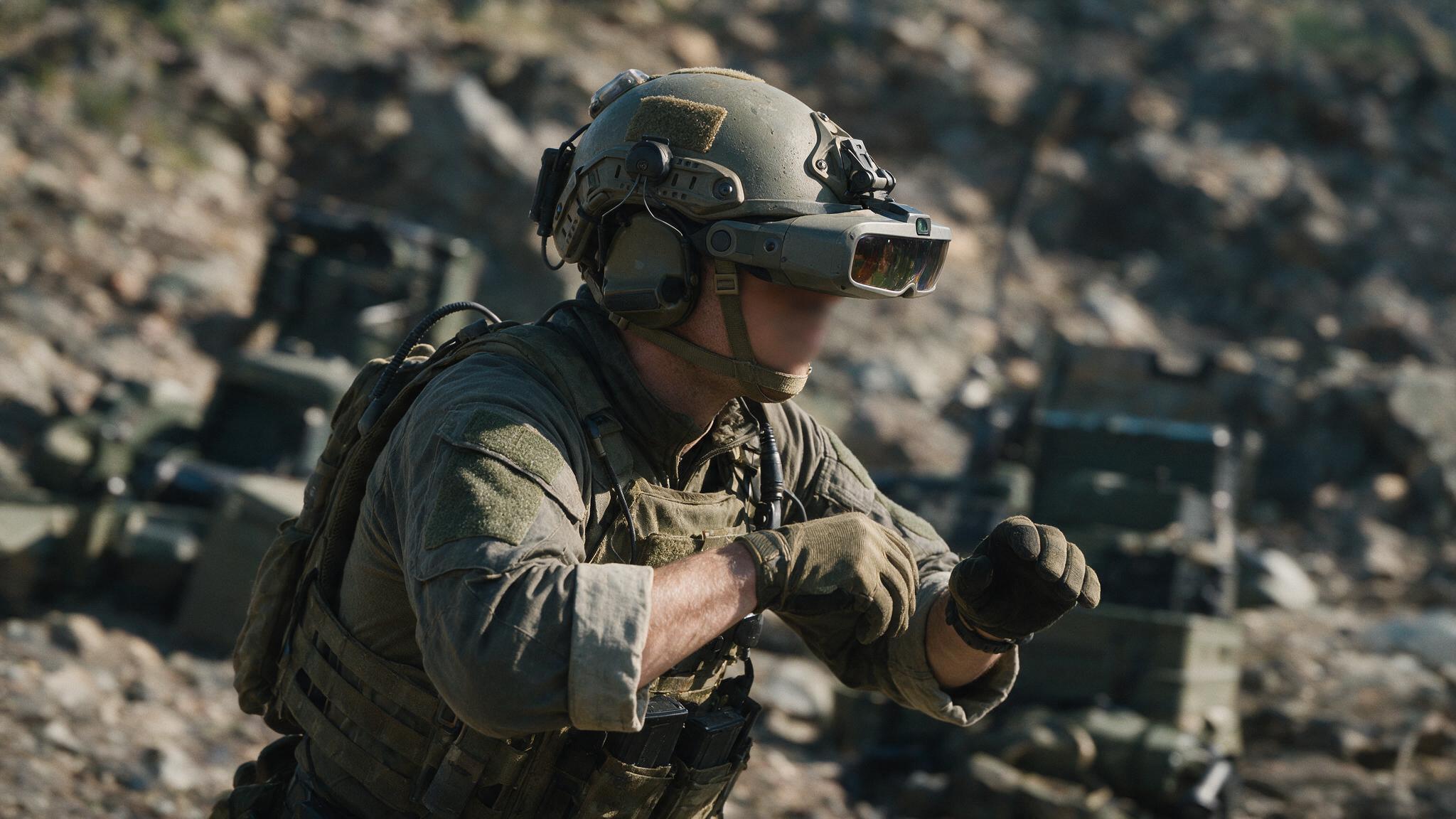
Most AR hardware, even ruggedized enterprise devices, is designed around relatively controlled conditions compared to what a soldier on foot in an active operational environment actually experiences, and Galvion and Distance’s collaboration on AR-enabled headworn systems specifically for dismounted troops highlights just how demanding that specific use case genuinely is compared to typical industrial AR deployment. This blog breaks down what makes defense-grade, dismounted-soldier AR a genuinely distinct engineering category, and why the partnership between these two specific companies makes strategic sense. It opens by explaining what “dismounted” specifically means in a defense context, troops operating on foot rather than from within a vehicle, a distinction that matters enormously for hardware design since a dismounted soldier’s equipment must be lightweight and rugged enough to be worn and relied upon for extended periods under genuinely unpredictable physical conditions, without the power, mounting stability, or protection a vehicle-integrated system could rely on instead. The piece walks through why combining Galvion’s headworn systems expertise with Distance’s technology specifically addresses this challenge, since effective dismounted visual augmentation requires deep integration between the physical helmet and protective system a soldier already wears and the AR display and sensing technology layered onto it, a genuinely different engineering problem than adding AR capability to a standalone civilian headset or glasses. It covers why this kind of defense-grade development matters beyond military applications specifically, arguing that AR hardware engineered to survive genuinely extreme physical conditions, weather, impact, extended wear, often produces engineering learnings and component innovations that eventually filter into civilian industrial and field service AR hardware, a pattern that has repeated across numerous technology categories originally developed for military use.
A section will address what businesses in demanding industrial field environments, oil and gas, mining, emergency response, should take from developments in defense-grade AR hardware specifically, suggesting that tracking innovation in the most demanding hardware category tends to preview where civilian ruggedized AR hardware standards are likely heading over the following several years. The blog also touches on why partnerships combining specialized headworn equipment expertise with AR technology specifically, rather than either company attempting to build the full solution independently, reflects a sensible division of genuinely distinct engineering specialties that neither company would likely master as effectively alone. Defense-grade AR hardware, dismounted soldier visual augmentation, and ruggedized wearable engineering are the throughlines here, exploring what building AR for one of the most demanding possible use cases reveals about the outer edge of wearable hardware engineering.