
Akima subsidiary Pinnacle Solutions has secured a $369 million contract to deliver a new maintenance training system for the Air Force.
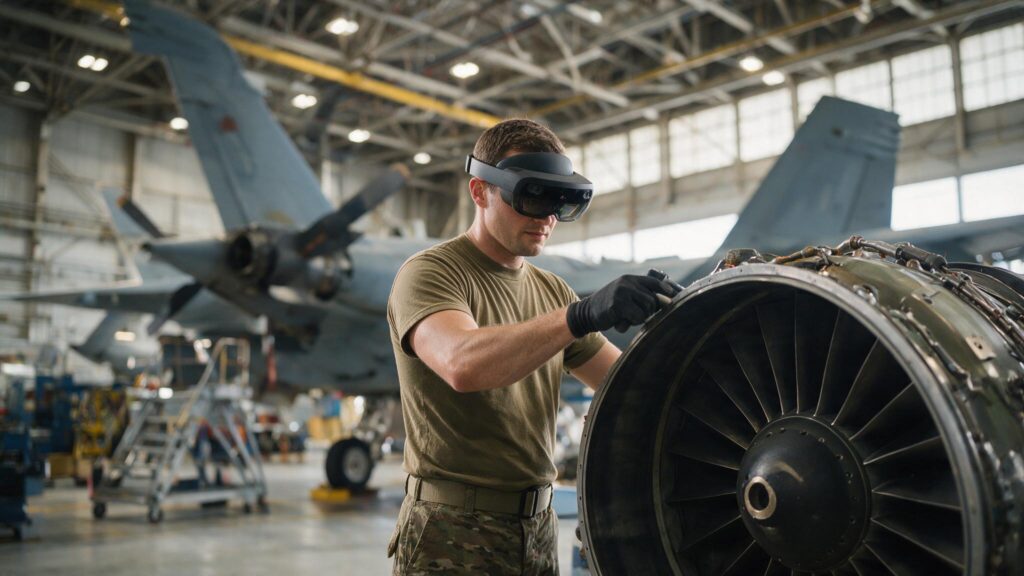
A $369 million maintenance training contract is a genuinely enormous commitment, and understanding what a program at this scale actually requires reveals a lot about what serious, large-scale immersive training infrastructure looks like when a customer with genuinely mission-critical stakes commits to it fully. This blog breaks down what a contract of this size and scope for a military maintenance training system likely involves, and what businesses evaluating their own large-scale training technology investment can learn from a program built at this level of seriousness. It opens by explaining why maintenance training specifically represents such high-stakes territory for a military branch, since aircraft maintenance errors carry consequences ranging from expensive equipment damage to genuine flight safety risk, meaning the Air Force’s willingness to commit this level of sustained investment reflects a real, calculated assessment that improved training technology delivers measurable risk reduction and readiness improvement worth that scale of spend. The piece walks through what a contract of this magnitude likely encompasses beyond simply building training content, probably including sustained platform development, ongoing content updates as aircraft systems and procedures evolve, hardware provisioning across multiple training locations, and long-term technical support, the full infrastructure required to keep a maintenance training system genuinely current and reliable across its entire multi-year contract lifecycle rather than a one-time content build. It covers why choosing an established government contractor like Akima’s Pinnacle Solutions subsidiary specifically matters for a program at this scale, since government contracts of this magnitude require genuine, proven capability in security compliance, sustained long-term delivery, and the kind of accountability structures a smaller or newer immersive training vendor typically hasn’t yet built, a consideration relevant well beyond defense contracting specifically.
A section will address what businesses planning their own large-scale, multi-year immersive training programs should take from this contract’s scale and structure, arguing that genuinely large-scale training technology investment requires planning for sustained content maintenance and platform evolution, not just an initial build, a lesson civilian enterprises scaling their own training programs across large distributed workforces should apply just as seriously as a defense contractor would. The blog also touches on what this contract signals about continued confidence in immersive maintenance training technology specifically, reinforcing that sustained, large-scale government investment at this level represents genuine, proven confidence in AR and VR-based maintenance training’s ability to deliver measurable readiness and safety improvement over traditional training methods, a validation signal relevant to any organization managing complex equipment maintenance training. Large-scale maintenance training contracts, defense immersive training infrastructure, and sustained training technology investment are the throughlines here, breaking down a major contract into genuinely useful context for large-scale training program planning.