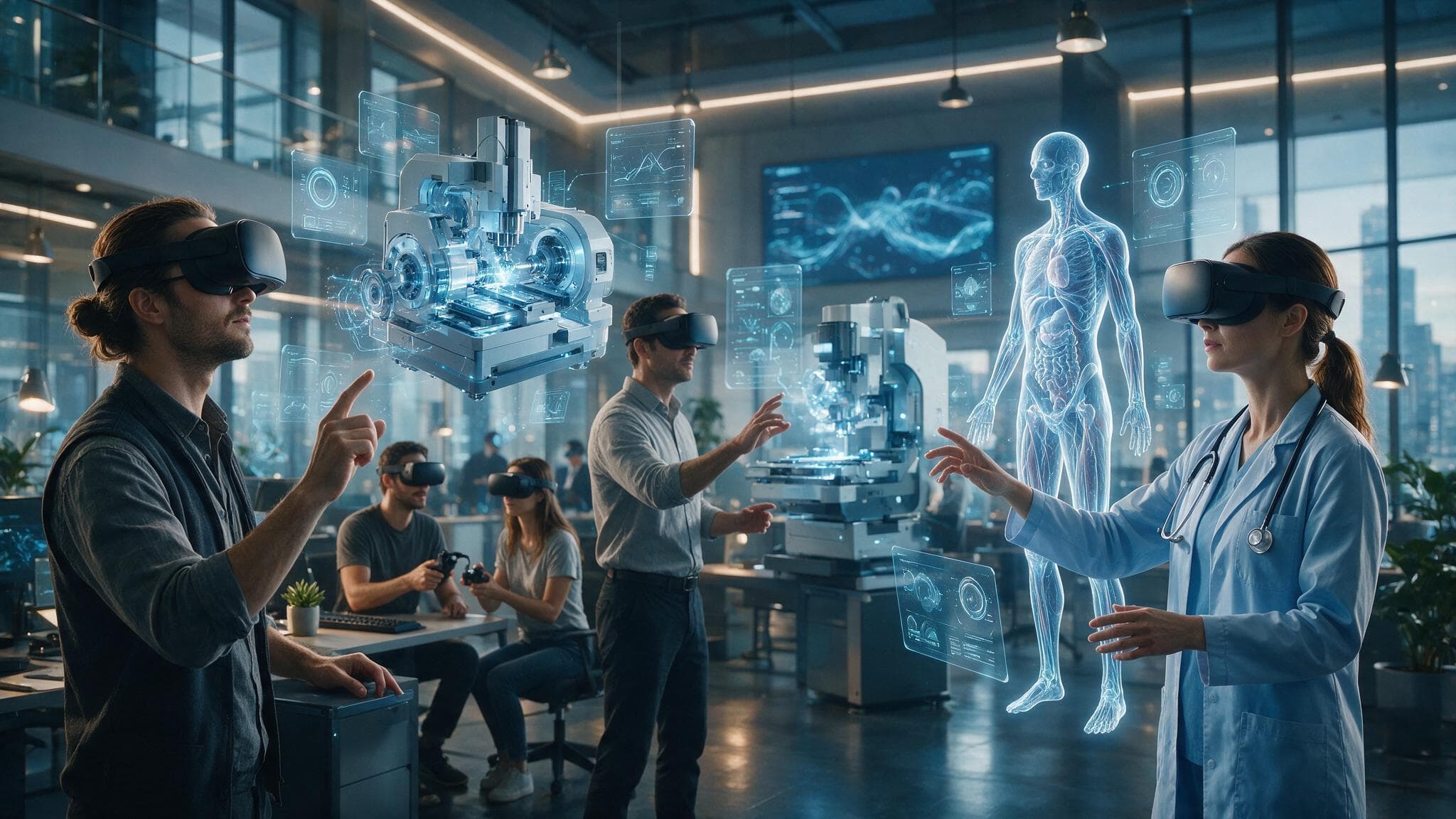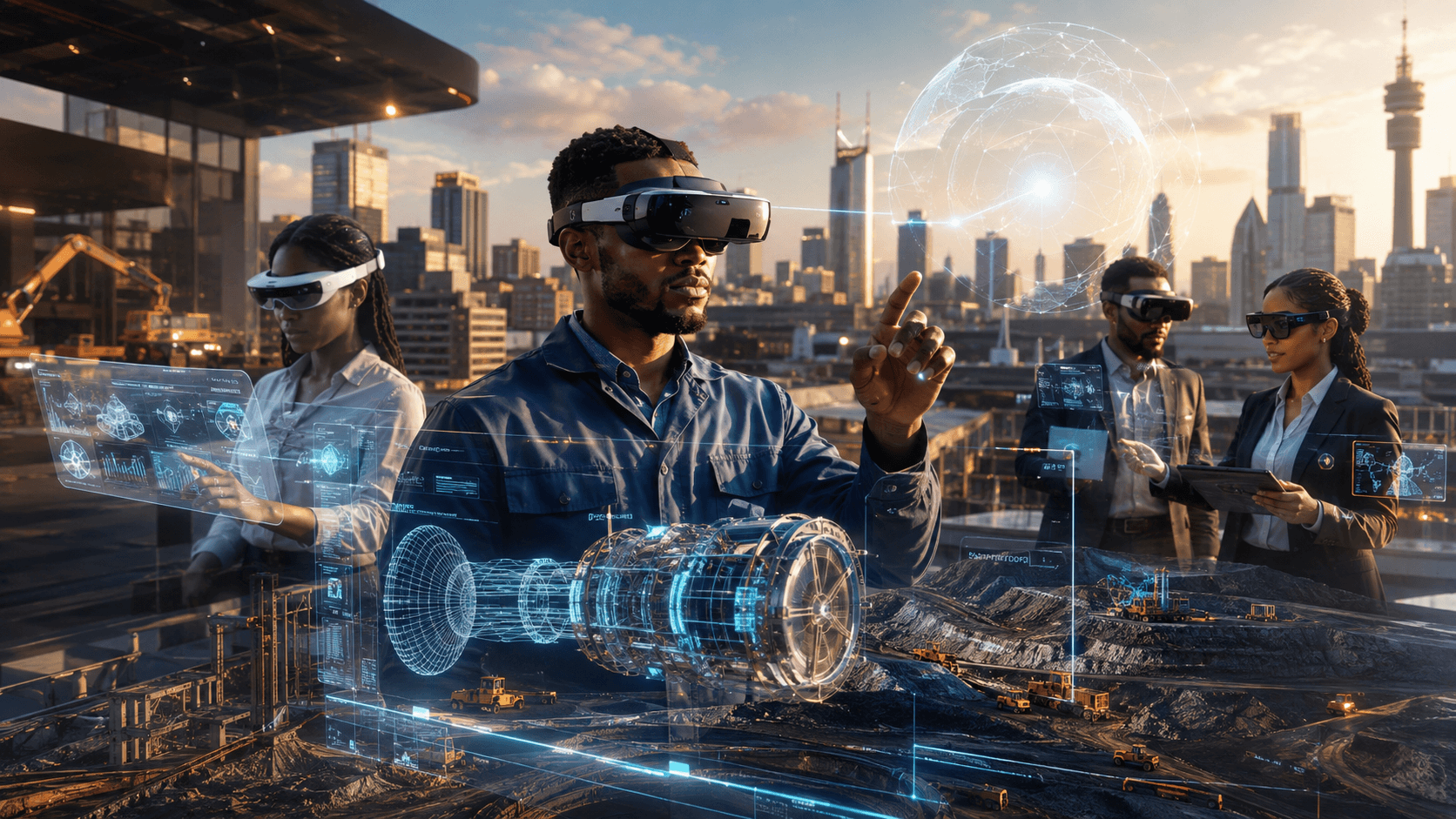

Mining reports a 43 percent reduction in lost-time accidents through VR safety training, the strongest documented result among the nine industry sectors that account for most enterprise VR safety spend in 2026, while Walmart’s Strivr-powered VR training program now spans 2.2 million employees, and ADNOC Technical Academy has logged over 2,000 VR training sessions since December 2023.
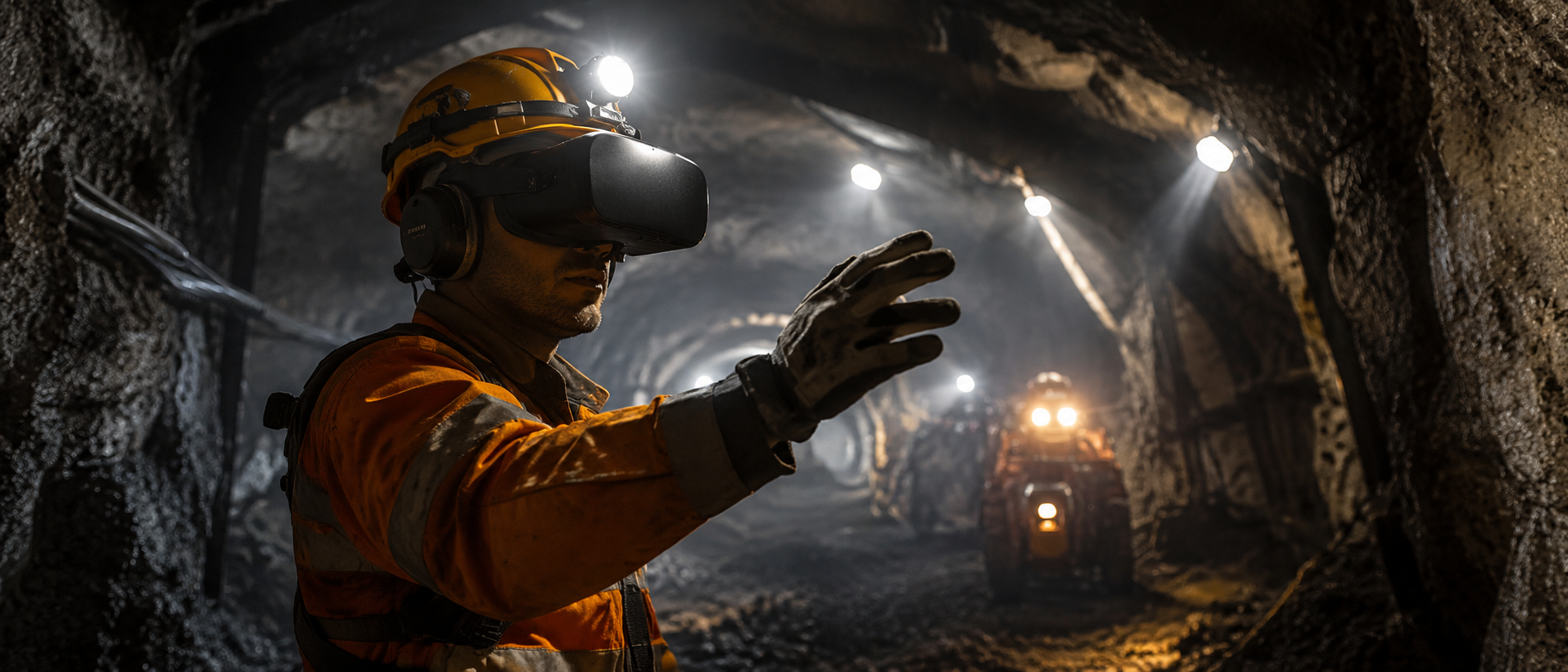
Mining is not an industry most people associate with cutting-edge technology adoption, which is exactly why its VR safety training results deserve close attention, a documented 43 percent reduction in lost-time accidents, the strongest outcome among all nine industry sectors currently driving enterprise VR safety spend. This blog uses that headline figure to explore what mining specifically did right, and what oil and gas, manufacturing, and construction operations can directly learn from it. It opens by explaining why mining’s results are worth taking seriously rather than dismissing as an outlier, since mining environments share the same core risk profile as several of PointZero’s target industries, heavy machinery, confined spaces, and tasks where a single procedural mistake can cause serious injury, meaning the training approach that worked there is genuinely transferable rather than industry-specific. The piece covers what made this level of impact possible, pointing to the same underlying principle showing up across every successful VR safety deployment referenced in current industry data, that VR turns safety training from information delivery into decision rehearsal, letting workers actually practice executing a correct sequence under simulated pressure rather than simply learning the rule in a classroom. It walks through supporting evidence from other sectors reinforcing the same pattern, including Walmart’s VR training program now running across 2.2 million employees through its Strivr partnership, and ADNOC Technical Academy logging over 2,000 VR sessions for Life-Saving Rules training since December 2023, showing this approach scales successfully across wildly different organization sizes and risk categories.
A section will address the specific scenario types driving the strongest results across oil and gas and mining, including confined-space entry, working at height, hot work permits, and emergency response drills, explaining why these particular tasks benefit so heavily from repeatable, judgment-based rehearsal rather than passive instruction. The blog also touches on a shift happening in how this training gets evaluated, moving away from simple completion tracking toward genuine competency verification, asking not just whether a worker finished a module but whether they can actually perform the procedure correctly under simulated pressure, a distinction increasingly tied to ESG reporting and capital access for high-risk industries. VR safety training results, high-risk industry training data, and immersive competency verification are the throughlines here, using mining’s strongest-in-class outcome as proof of concept for any organization still weighing whether VR training delivers a real safety return.