

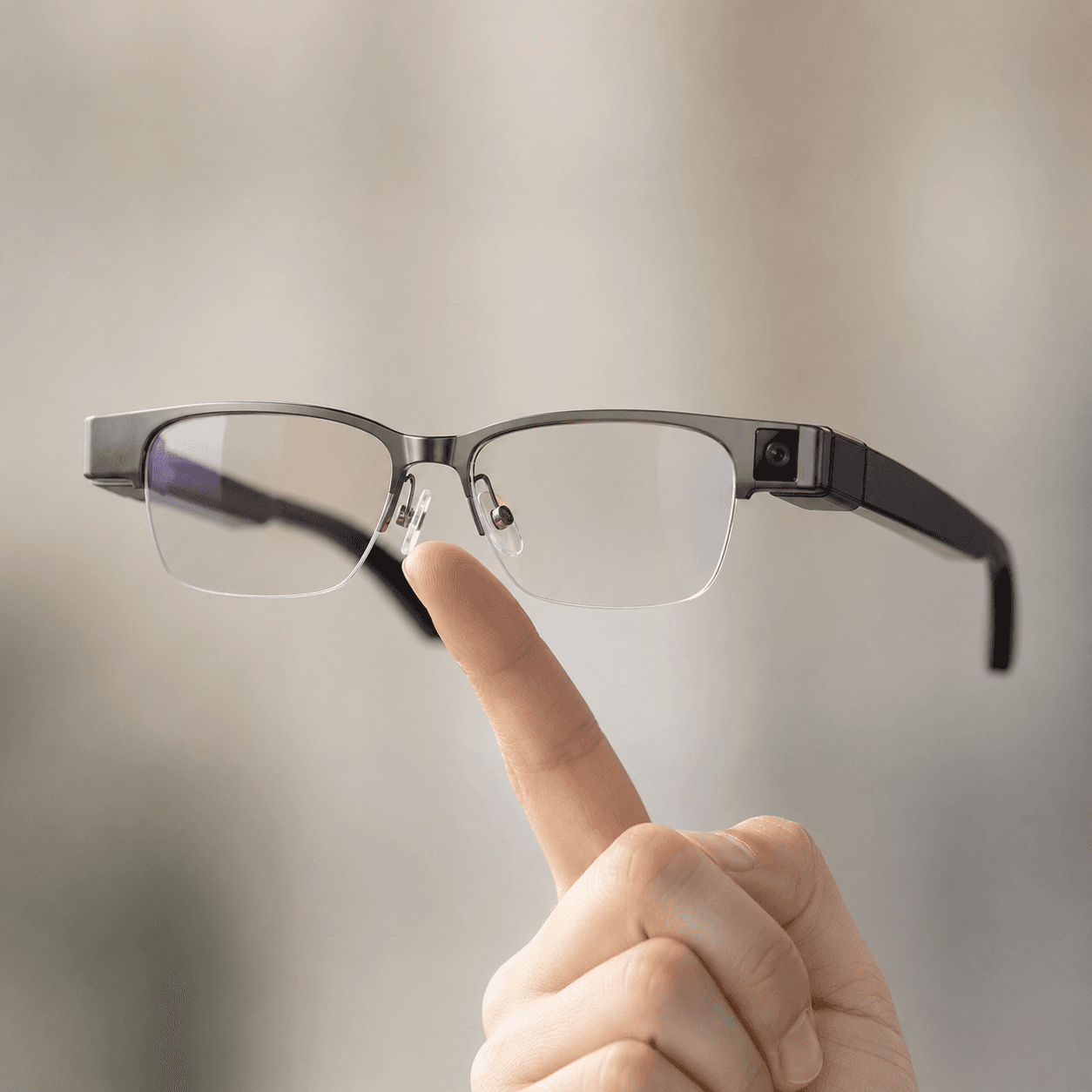
Unseen Reality unveiled URXR One on June 25, 2026, a 93-gram pair of spatial computing glasses featuring Micro-OLED displays, 6DoF tracking, and hand-gesture recognition, packing capability typically found in far bulkier devices into a genuinely lightweight, all-day wearable form factor.
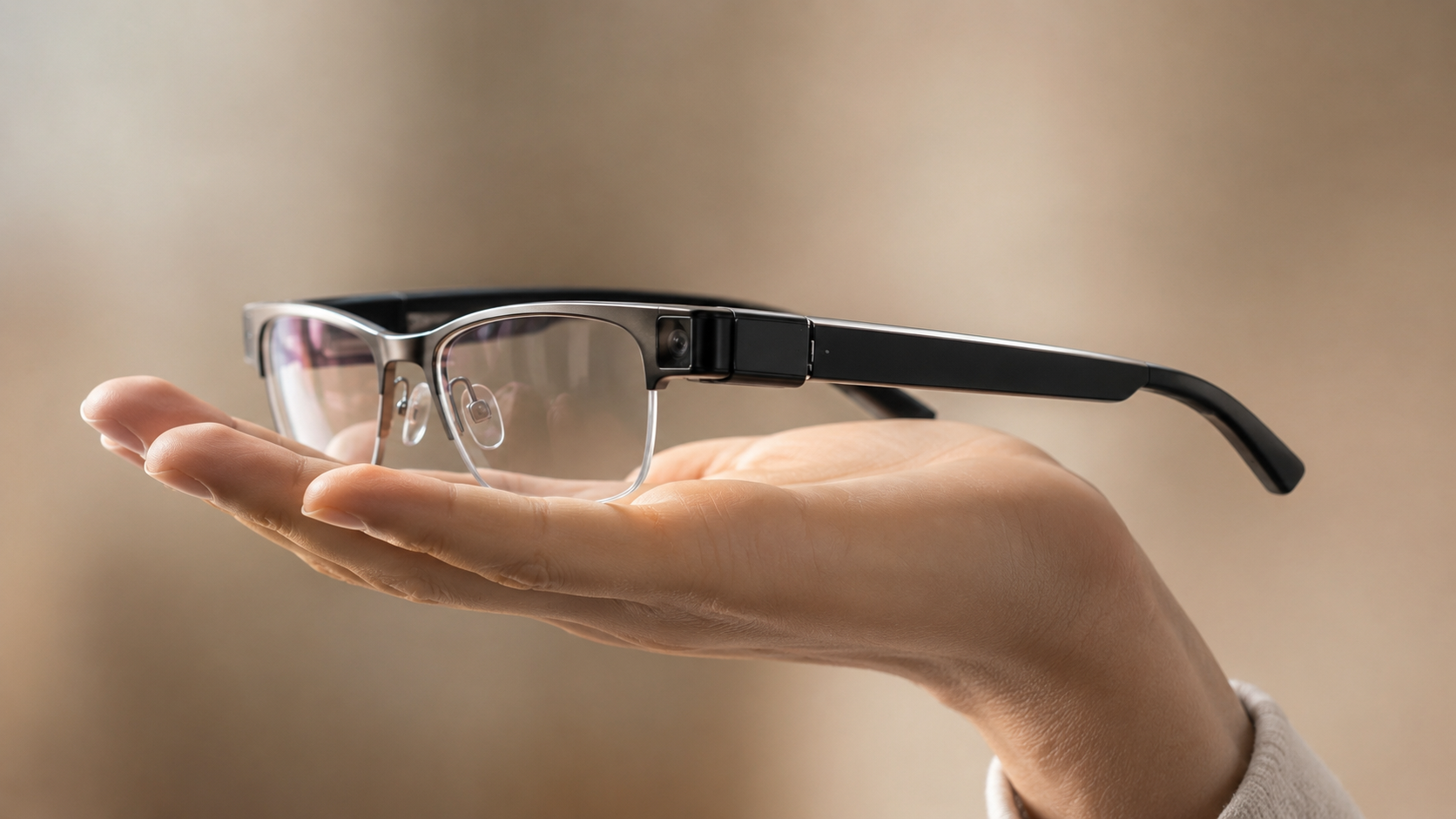
While most AR glasses coverage focuses on displays, cameras, and AI features, a quieter engineering battle is happening underneath all of it, and it might matter more than any single software feature, the race to make full-featured spatial computing glasses genuinely comfortable to wear all day. Unseen Reality’s URXR One, weighing just 93 grams while still delivering Micro-OLED displays, 6DoF tracking, and hand-gesture recognition, is a strong entry in that race, and this blog explains why weight deserves far more attention in the AR glasses conversation than it currently gets. It opens by explaining the practical reality most AR glasses coverage glosses over, that a device offering impressive spatial computing features means very little if it becomes uncomfortable to wear after twenty or thirty minutes, since comfort, not feature list, is what ultimately determines whether someone actually wears a device throughout a real workday rather than a short demo session. The piece walks through why weight has been such a persistently difficult engineering problem in this category, covering the fundamental tradeoff between packing in more sensors, tracking hardware, and display technology, all of which add mass, while somehow keeping the finished device light enough for extended, comfortable wear, a tension every AR glasses manufacturer is racing to solve differently. It explains what 93 grams specifically represents in that context, positioning it against the far heavier full-featured headsets and even many earlier generation AR glasses, and why crossing meaningfully below the 100-gram threshold while retaining serious spatial computing capability, rather than stripping features down to hit a lighter weight, represents genuine engineering progress rather than a simple feature trade-off.
A section will address what lightweight, full-featured AR glasses unlock for enterprise use cases specifically, including field service technicians who need hands-free AR guidance across a full shift, training scenarios requiring extended session lengths, and any application where device fatigue would otherwise limit how long a worker can realistically use the technology. The blog also touches on why this weight benchmark matters for content design, since experiences built for genuinely all-day wearable devices can assume longer, more sustained engagement than experiences designed around shorter headset sessions, changing what kind of AR content actually makes sense to build for this hardware category. Lightweight AR glasses, all-day wearable spatial computing, and comfortable enterprise AR hardware are the throughlines here, making the case that comfort engineering, not feature count, is the real competitive frontier in AR glasses right now.