Cintoo has unveiled Cintoo Workspace, a multi-user collaboration solution for viewing and inspecting reality capture data in real time, giving office and field teams a shared, simultaneous view of 3D scanned environments rather than passing static files back and forth.
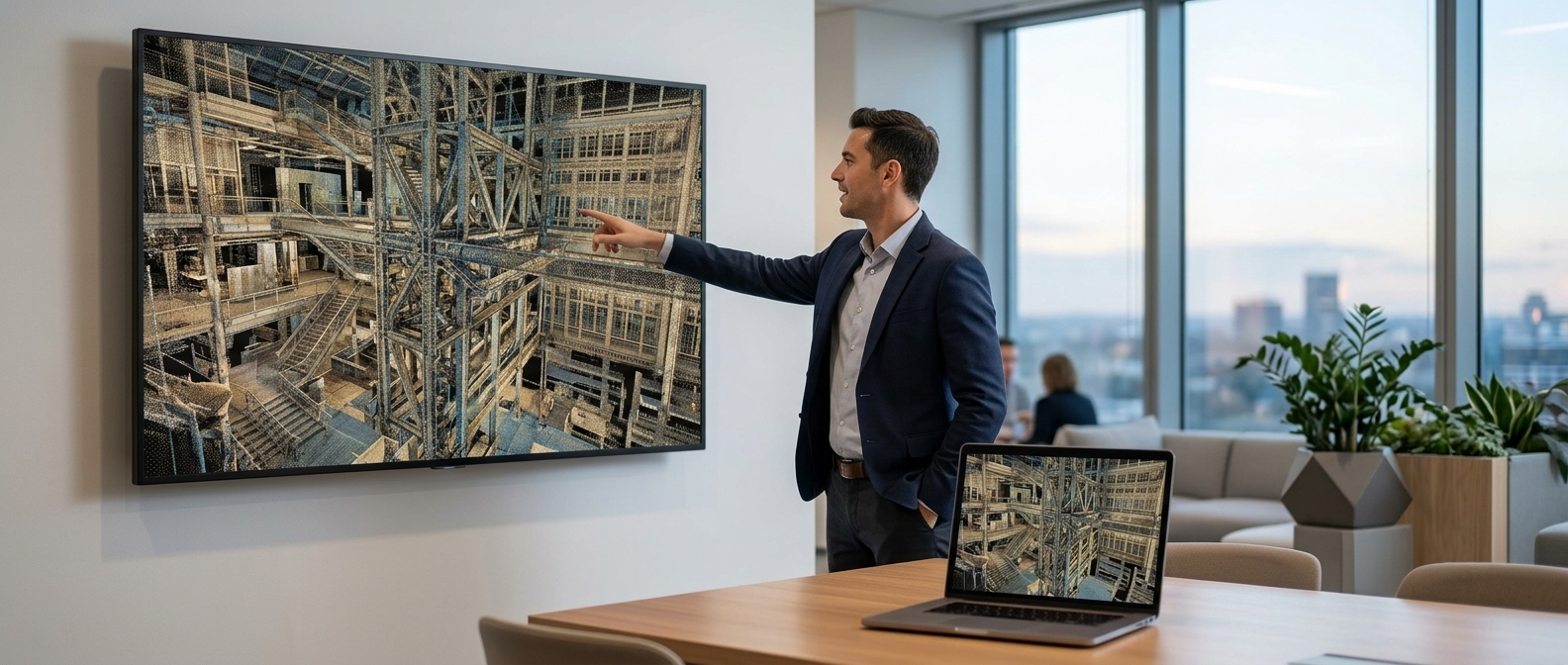
Reality capture technology, the process of laser-scanning a physical space into an accurate 3D digital model, has existed for years, but the workflow around it has quietly remained stuck in a single-user, file-passing model that slows teams down. Cintoo’s newly announced Workspace product changes that by enabling multiple users to view and inspect the same reality capture data simultaneously in real time, and this blog unpacks why that shift from single-user files to shared live collaboration matters far more than it might sound at first. It opens by explaining the problem this actually solves, describing how construction, engineering, and design teams have traditionally worked with scanned 3D data by exporting static snapshots or screen recordings for review, a process that introduces delay, version confusion, and a real loss of spatial context compared to exploring the actual scan directly. The piece walks through what real-time multi-user collaboration unlocks in practice, including remote stakeholders jointly walking through a scanned construction site to flag issues together rather than reviewing separate static reports, design teams comparing an as-built scan against original architectural plans in the same session rather than switching between files, and field teams capturing new scan data that office-based reviewers can inspect immediately rather than waiting for a full export and upload cycle. It connects this specific product to the broader category of reality capture and digital twin visualization that PointZero already works in, explaining how tools like this represent the collaborative layer that makes a captured 3D environment genuinely useful across a distributed team rather than a static reference file only one person at a time can meaningfully work with.
A section will address why real-time collaboration matters especially for industries where PointZero’s clients operate, including manufacturing facility audits, real estate property documentation, and industrial site inspection, where a shared, live view of physical conditions can meaningfully speed up decision-making across teams in different locations. The blog also touches on the broader trend this product reflects, that immersive and spatial tools are increasingly being judged not just on capture quality or rendering fidelity but on how well they support the actual collaborative workflows real teams use day to day. Reality capture collaboration, 3D scan workflow tools, and multi-user spatial review are the throughlines here, framing this as infrastructure-level progress for any team working with scanned physical environments.