
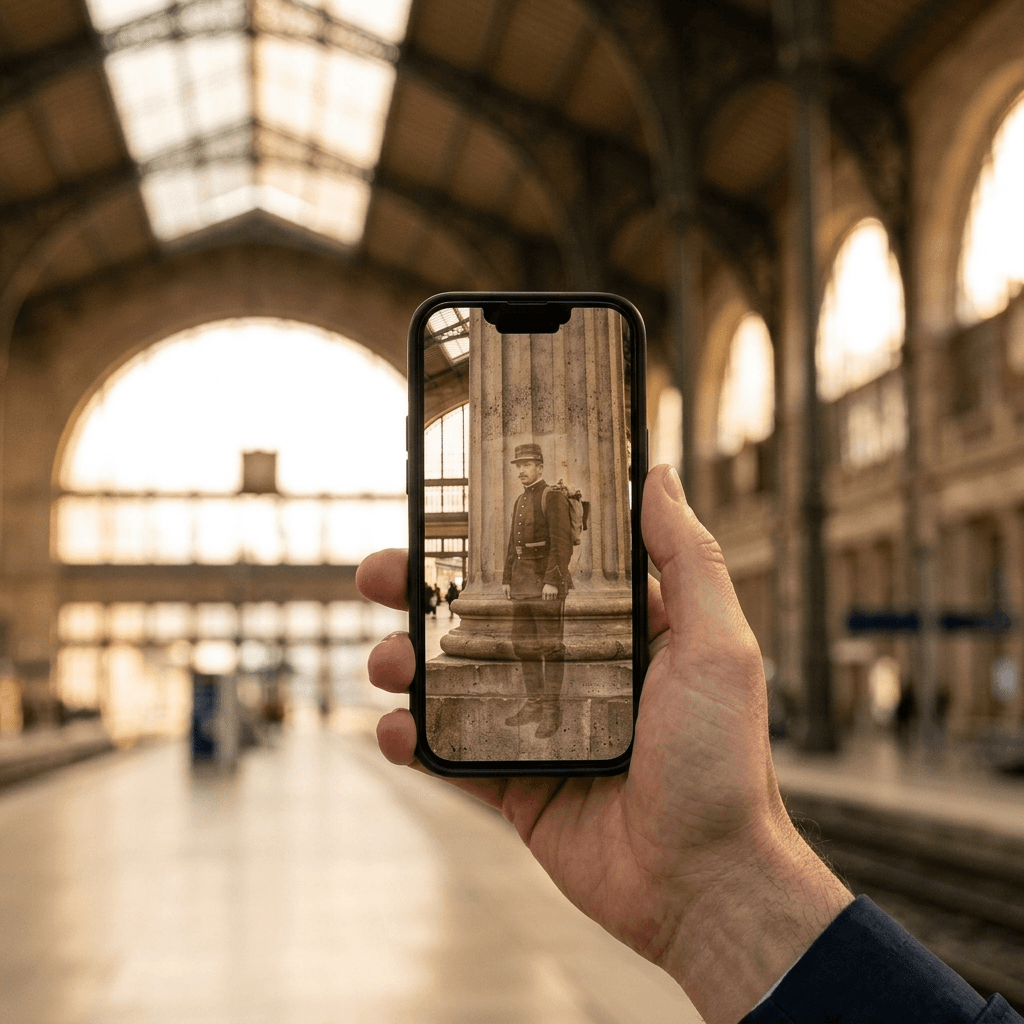
BavAR has partnered with SNCF Gares & Connexions and France’s Ministry of Armed Forces to launch augmented reality cultural experiences across five French train stations, turning everyday transit infrastructure into sites of AR-enabled storytelling and historical engagement.
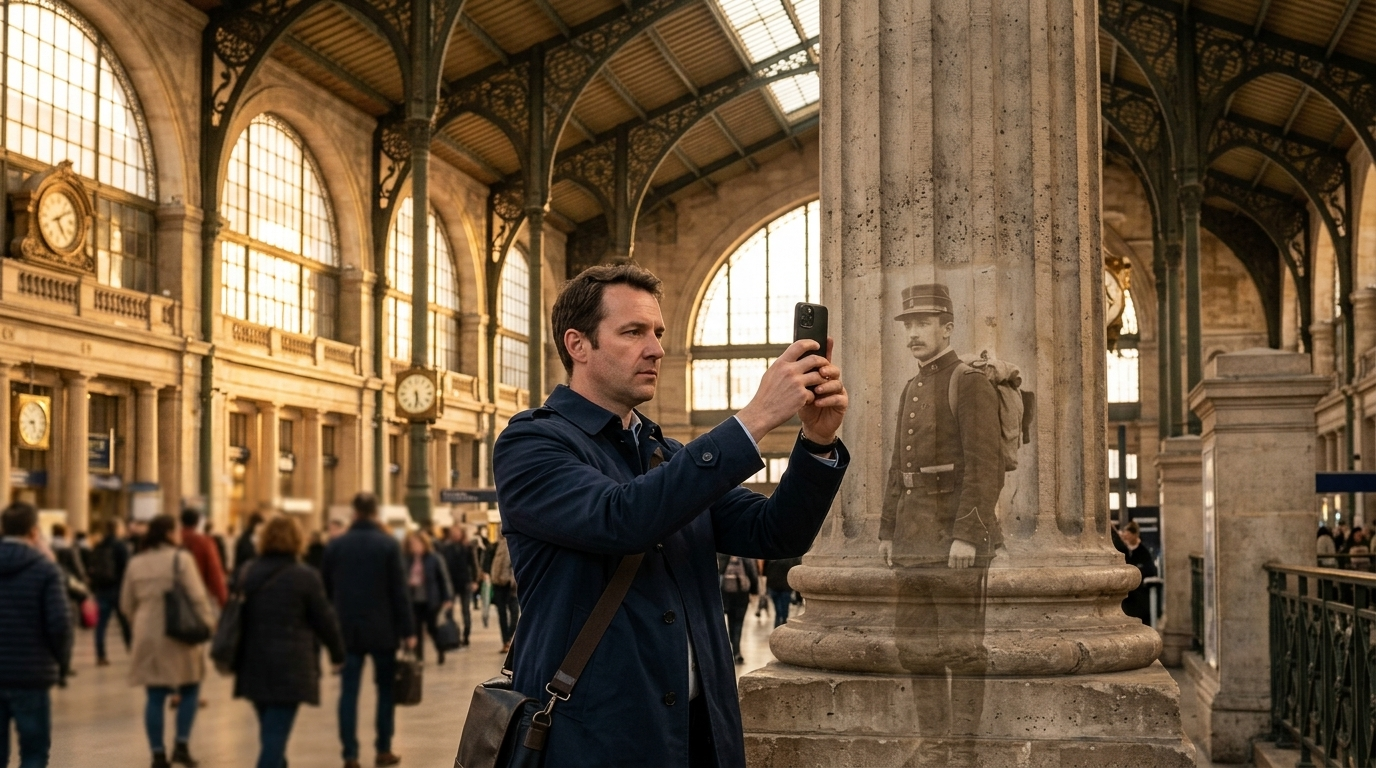
Five French train stations just became AR cultural sites, through a partnership between BavAR, national rail operator SNCF Gares et Connexions, and France’s Ministry of Armed Forces, and the choice of location says as much as the technology itself. This blog uses that partnership to explore a genuinely underused idea in heritage and cultural AR, placing immersive historical content in high-traffic public infrastructure that people pass through every day, rather than confining it to dedicated museums or ticketed heritage sites people have to deliberately choose to visit. It walks through why train stations specifically make sense as AR cultural venues, since they combine large captive audiences, meaningful dwell time while waiting, and often genuine historical significance of their own that most commuters walk past without a second thought. The piece covers what a government ministry’s involvement signals about how seriously AR-based cultural and historical storytelling is now being taken at a national level, moving the technology from a tourism board experiment into infrastructure-level public cultural investment. It explains the practical design differences between an AR experience built for a dedicated heritage site visit versus one built for a transit environment, including much shorter expected interaction windows, the need for content that works whether someone engages for ten seconds or ten minutes, and design that respects the primary function of the space rather than disrupting it.
A section will address the broader opportunity this partnership points to for other public infrastructure operators, airports, transit hubs, civic buildings, and public squares, all of which share the same underlying asset this deal is capitalizing on, large volumes of people moving through spaces with genuine historical or cultural context that currently goes uncommunicated. The blog also touches on why involving a national heritage or defense-adjacent institution tends to lend AR cultural content a level of credibility and content accuracy that purely commercial heritage AR projects sometimes lack, an important consideration for any organization building AR experiences around real historical events or figures. AR cultural experiences, heritage storytelling in public spaces, and augmented reality tourism infrastructure are the throughlines here, positioning transit-based AR as a genuinely new category rather than a variation on the museum AR tour.