

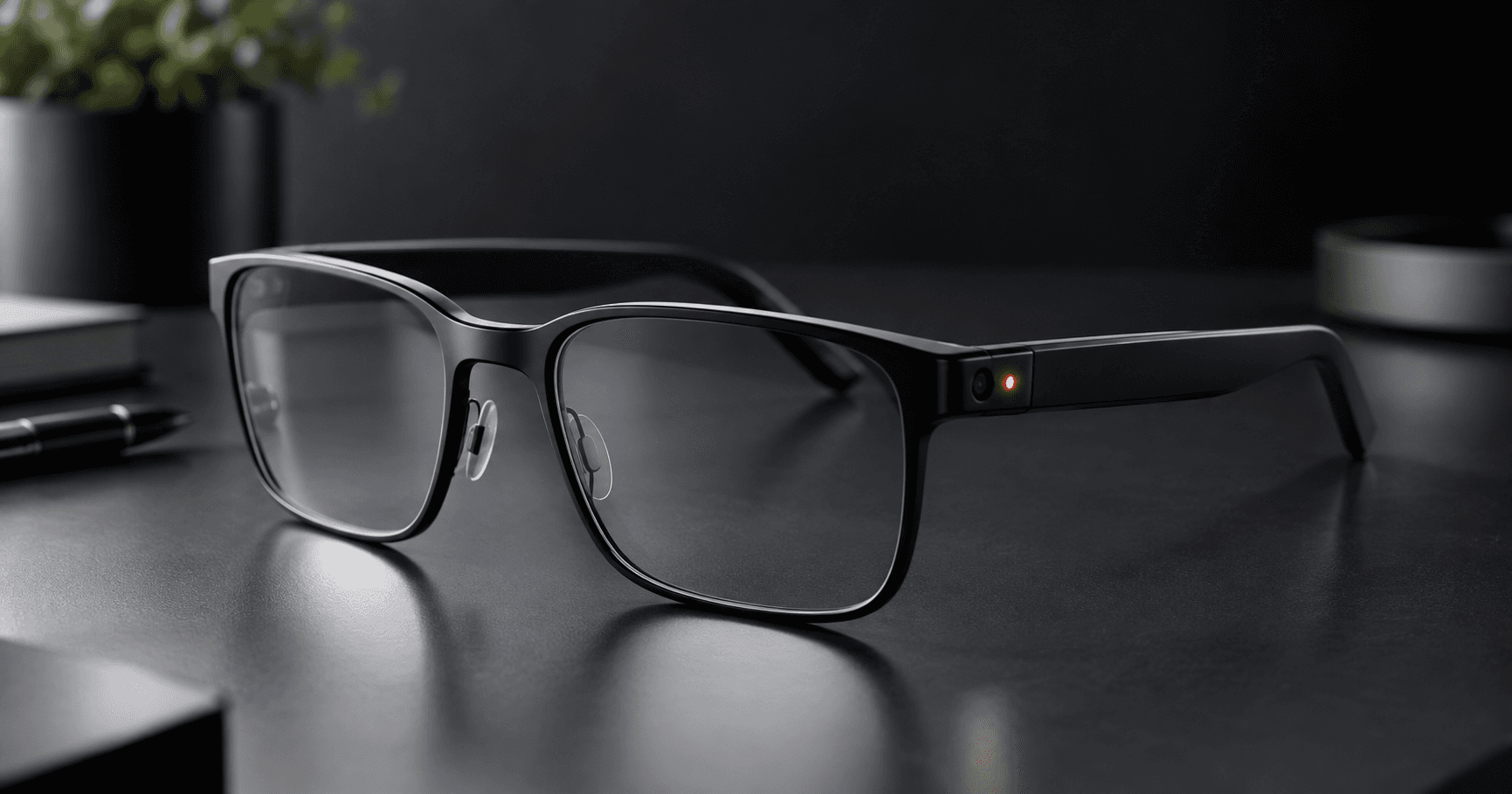
Meta updated its AI smart glasses this week to disable the camera when the built-in recording indicator is physically destroyed or removed, closing a loophole that services on its own marketplace had been advertising to customers. The detail worth sitting with here isn't just the fix itself, it's what it reveals about the problem: people were actively paying third parties, advertised openly on Meta's own commerce platform, specifically to disable the one safeguard meant to signal when the glasses are recording. That's a genuinely different and more serious trust problem than the general privacy skepticism smart glasses have faced for the past year, it's evidence of deliberate, monetized circumvention of a built-in safety feature, not just public unease about the technology existing.
This matters directly for any business thinking seriously about smart glasses platform selection for workplace deployment, since it reinforces a lesson worth repeating: hardware-level enforcement, where tampering with a privacy safeguard disables core functionality automatically, is a meaningfully stronger trust guarantee than a visual indicator alone that depends on good faith and an intact LED. A platform willing to proactively close a loophole its own users were exploiting against its own customers signals a genuine commitment to privacy-by-design rather than treating the recording light as a box-checking compliance gesture. For PointZero's own positioning on smart glasses deployment and AR content strategy, this is worth folding directly into any client-facing guidance on device selection, specifically steering businesses toward platforms that enforce privacy safeguards at the hardware level rather than relying purely on a visible light a device owner can tamper with, since that distinction is exactly what separates a genuinely defensible workplace privacy policy from one that only looks solid until someone tests it.