
Tripo AI has announced $50 million in funding and unveiled new 3D model architectures for generating production-ready assets in native three-dimensional space.
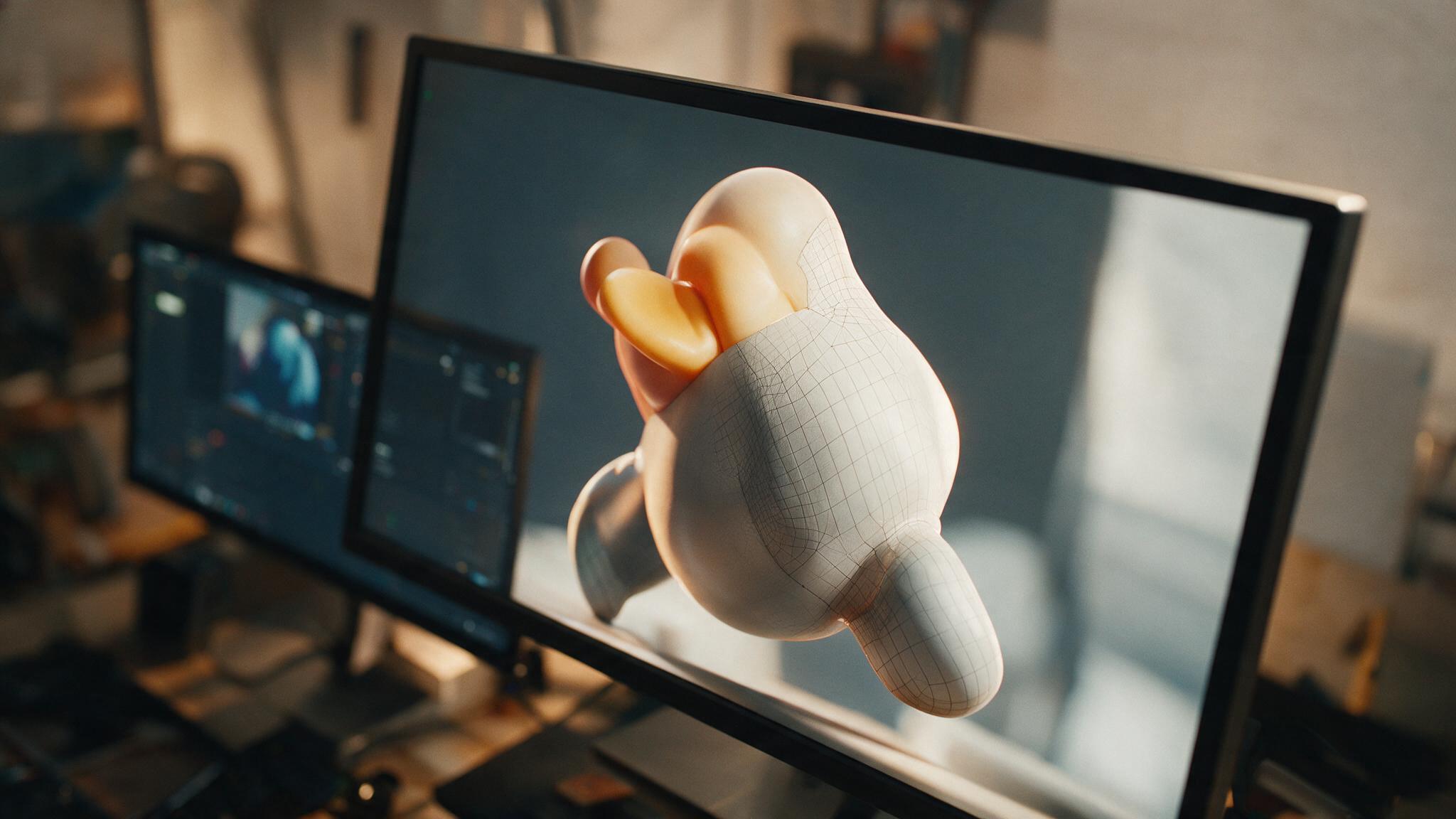
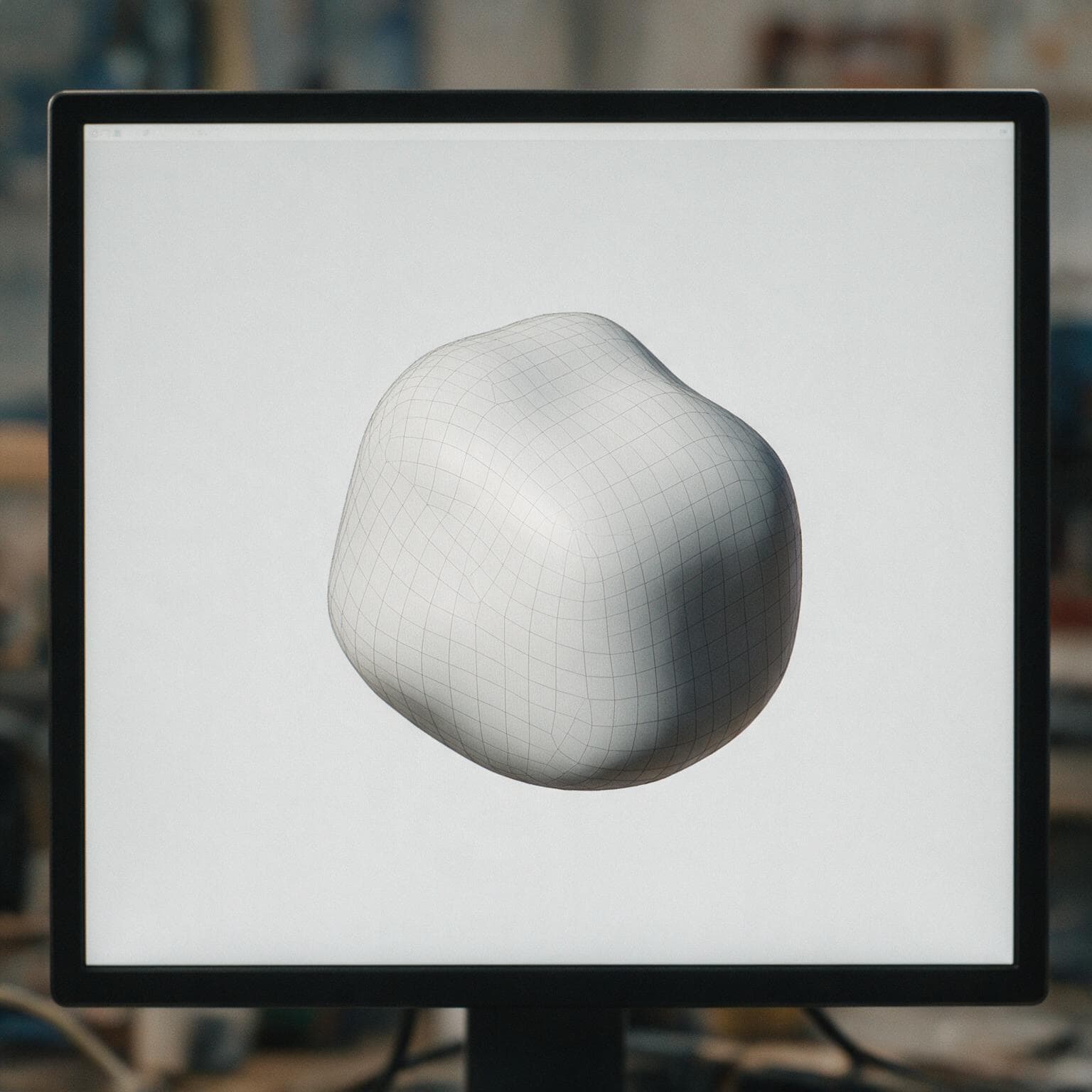
AI-generated 3D models have historically carried an honest but frustrating limitation, they look impressive in a demo but frequently require significant manual cleanup before they’re actually usable in a real production pipeline, and Tripo AI’s $50 million raise, tied specifically to new architectures for generating production-ready assets, targets closing exactly that gap between demo-quality and deployment-quality output. This blog breaks down why “production-ready” is a genuinely different and harder bar than earlier generative 3D tools have cleared, and what this funding round signals for immersive content production timelines. It opens by explaining the specific quality gap this funding is aimed at solving, that earlier generative 3D tools often produced models with topology, texture, or geometry issues that required a skilled 3D artist to manually clean up before the asset could actually be used in a client-facing AR, VR, or WebXR project, meaning the time saved on initial generation was frequently offset by cleanup work afterward. The piece walks through what generating assets natively in three-dimensional space likely means technically, suggesting an architecture built to understand and produce genuinely three-dimensional geometry and structure from the start, rather than approaches that infer 3D form from 2D image generation techniques, a distinction that often determines whether an output requires extensive rework or arrives genuinely closer to usable. It covers why $50 million in funding specifically for this production-readiness problem matters as a market signal, since serious capital investment in solving the “usable in a real pipeline” gap, rather than continuing to chase more impressive demo-stage generation, suggests investors see genuine commercial demand for tools that actually save production time rather than just showcase impressive AI capability.
A section will address what this means practically for studios and businesses producing AR, VR, and WebXR content, arguing that as generative 3D tools genuinely close the production-readiness gap, the realistic application shifts from early concept ideation toward actual asset production acceleration, a meaningfully more valuable capability than rapid prototyping alone. The blog also touches on the honest caveat worth maintaining even as this technology improves, that claims of “production-ready” output deserve genuine hands-on evaluation against a specific studio’s actual quality bar and brand standards before being trusted for genuinely client-facing work, rather than accepted purely on the strength of a funding announcement. Production-ready generative 3D, AI-assisted asset creation, and immersive content production speed are the throughlines here, breaking down a funding round into genuinely useful context for studios evaluating AI-assisted 3D production tools.