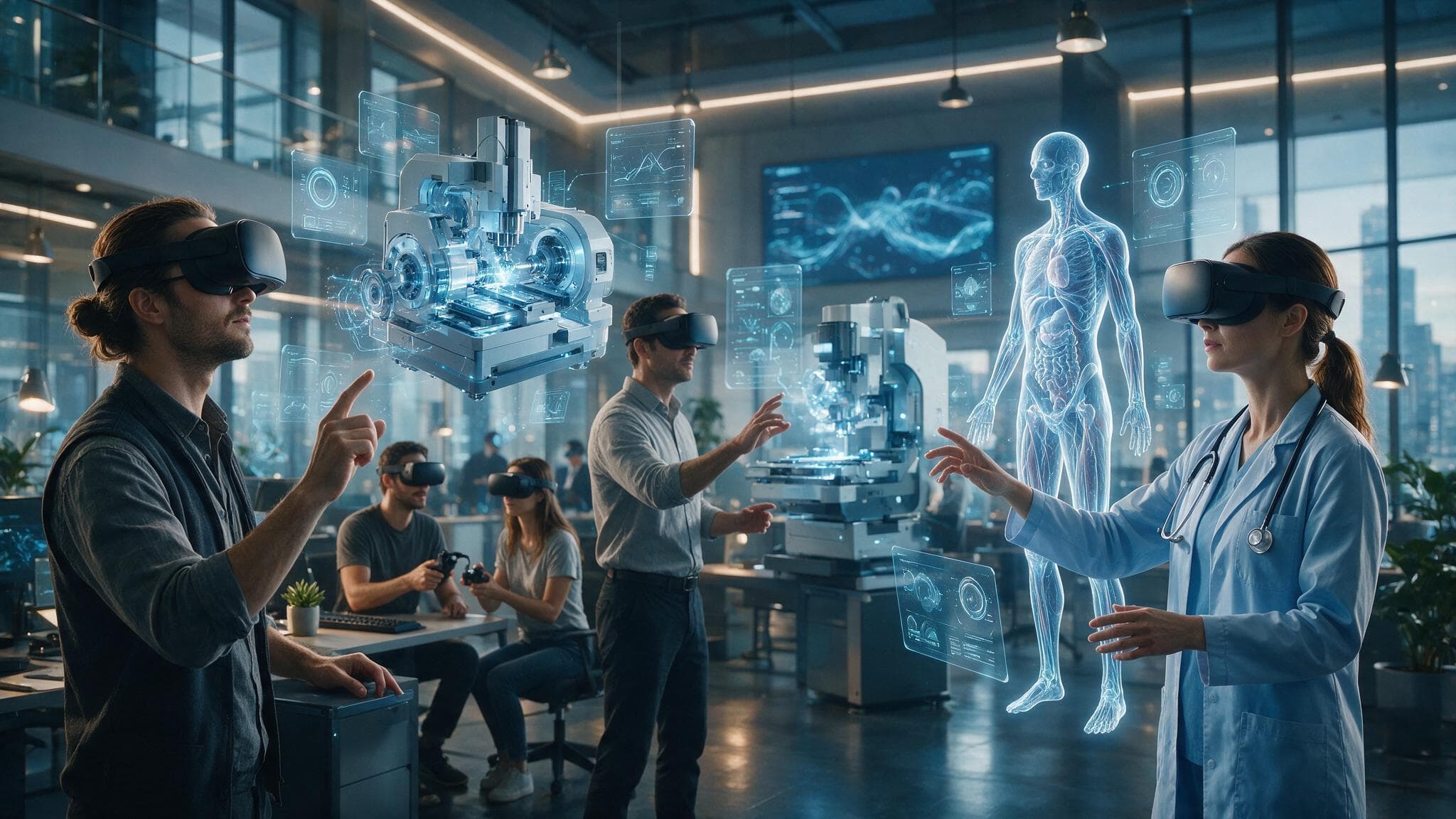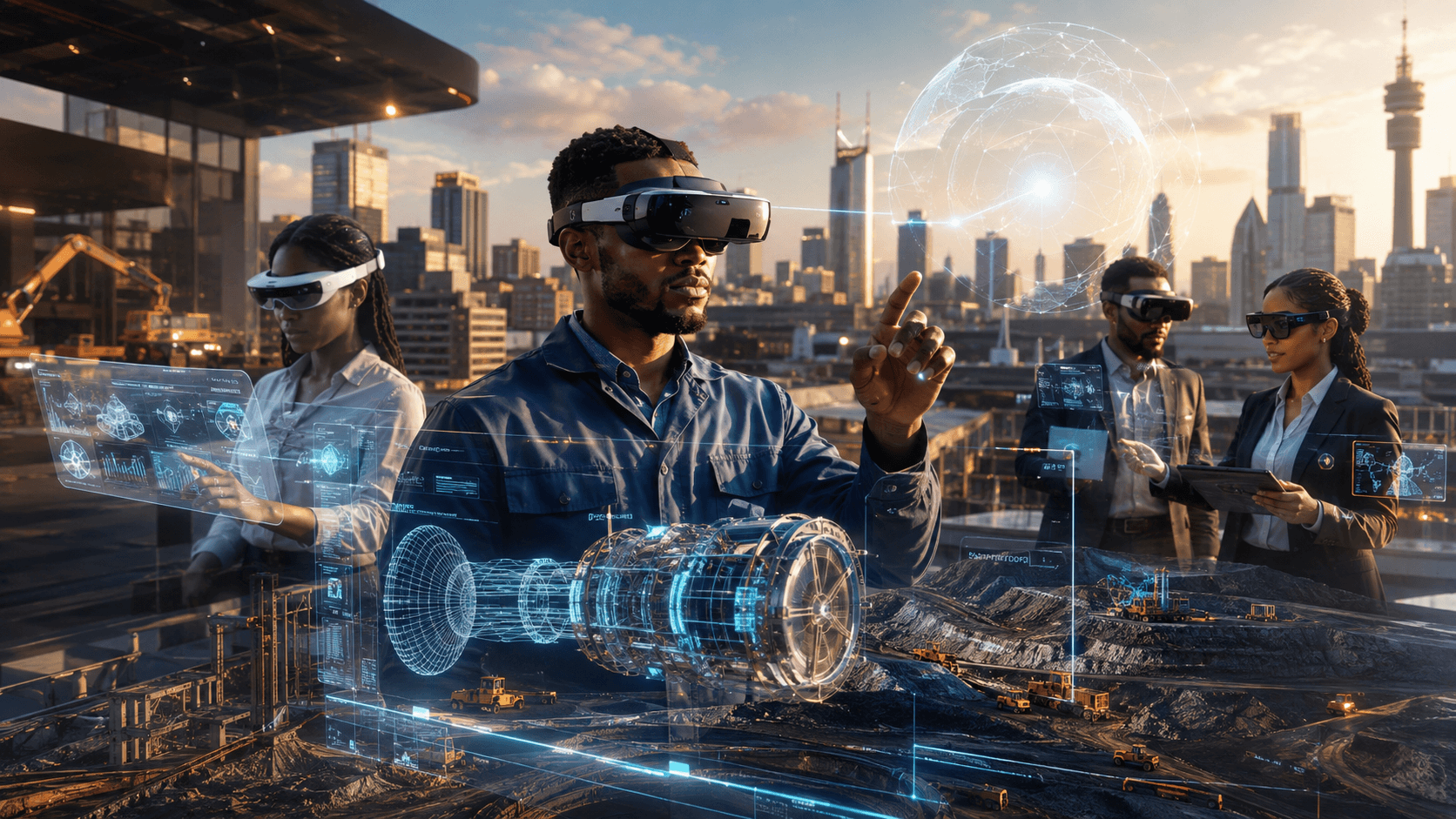

South Africa’s Augmented and Virtual Reality ecosystem is rapidly expanding, as organizations increasingly recognize the potential of immersive technologies to improve operational efficiency, employee development, training, simulation, and collaboration. According to MarketsandMarkets, the South Africa AR/VR market is valued at approximately USD 330.8 million in 2026 and is projected to reach USD 686.4 million by 2031, representing a strong 12.9% CAGR. Enterprise adoption is emerging as one of the major drivers of this growth, particularly in industries such as mining, manufacturing, and financial services. In high-risk environments such as mining, Virtual Reality training can allow employees to practice operational procedures, safety protocols, and emergency situations within controlled digital environments without being exposed to real-world hazards. Manufacturing companies can similarly use AR/VR for equipment training, product visualization, maintenance, workplace safety, and process simulation. Augmented Reality can provide employees with digital instructions, visual information, and contextual data while they work with physical equipment. Financial services and other enterprises can also leverage immersive technologies for employee training, remote collaboration, visualization, and customer experiences. Alongside enterprise demand, growing investments from government and private-sector organizations in digital infrastructure and 5G connectivity are creating more favorable conditions for immersive technology deployment.
The growth of South Africa’s AR/VR ecosystem is also being supported by declining hardware costs, expanding technology talent, and the country’s emergence as a regional innovation hub. The market covers technologies including marker-based, markerless, anchor-based, non-immersive, semi-immersive, and fully immersive experiences, with applications extending across aerospace and defense, automotive, commercial, consumer, energy, enterprise, healthcare, and other industries. Head-Mounted Displays (HMDs) are identified as the fastest-growing device category in the report, while software represents the largest offering segment within the broader market scope. South Africa also presents opportunities for startups and international technology companies looking to expand immersive solutions across African markets. In healthcare, AR/VR can support medical education, visualization, simulation, and training, while retail can use AR to create interactive product experiences and virtual shopping environments. Education and professional development can benefit from realistic VR learning and simulation environments, while manufacturing and industrial organizations can explore digital twins, remote assistance, and immersive operational planning. The combination of AR/VR, artificial intelligence, cloud computing, sensors, and 5G could further expand these applications over the coming years. Strategic partnerships between local technology companies and global technology providers, combined with continued digital transformation initiatives, are expected to contribute to market development. As investment continues and immersive technologies become more accessible, AR and VR could become important components of South Africa’s next phase of digital transformation, moving from experimental applications toward practical solutions that deliver measurable business and operational value.