
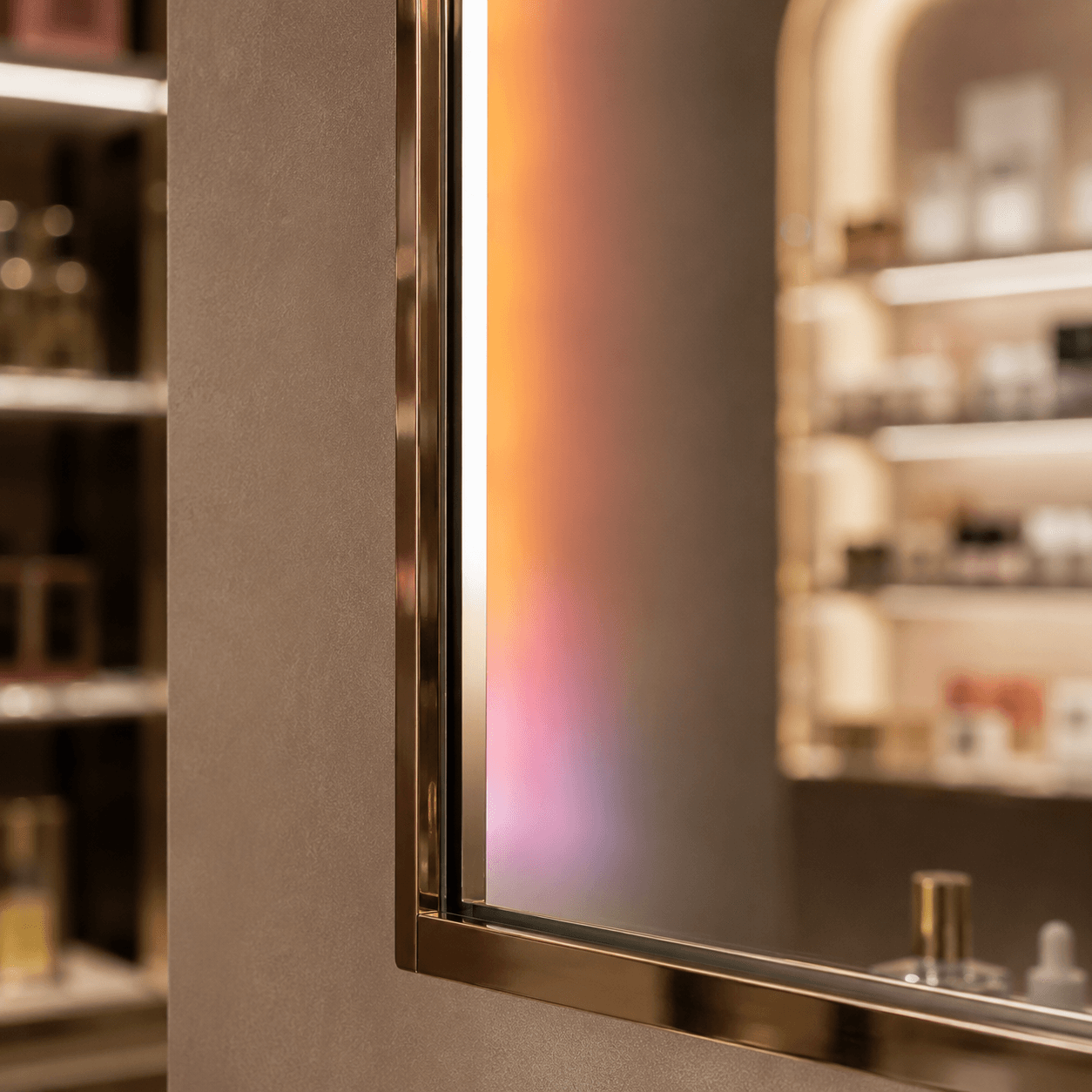
LOOOK.AI and shu uemura unveiled the AI Mirror on July 20, 2026, a smart mirror built into real glass with 3D face scanning, installed at shu uemura’s shu:ARTstage flagship store in Omotesando Hills, Tokyo.
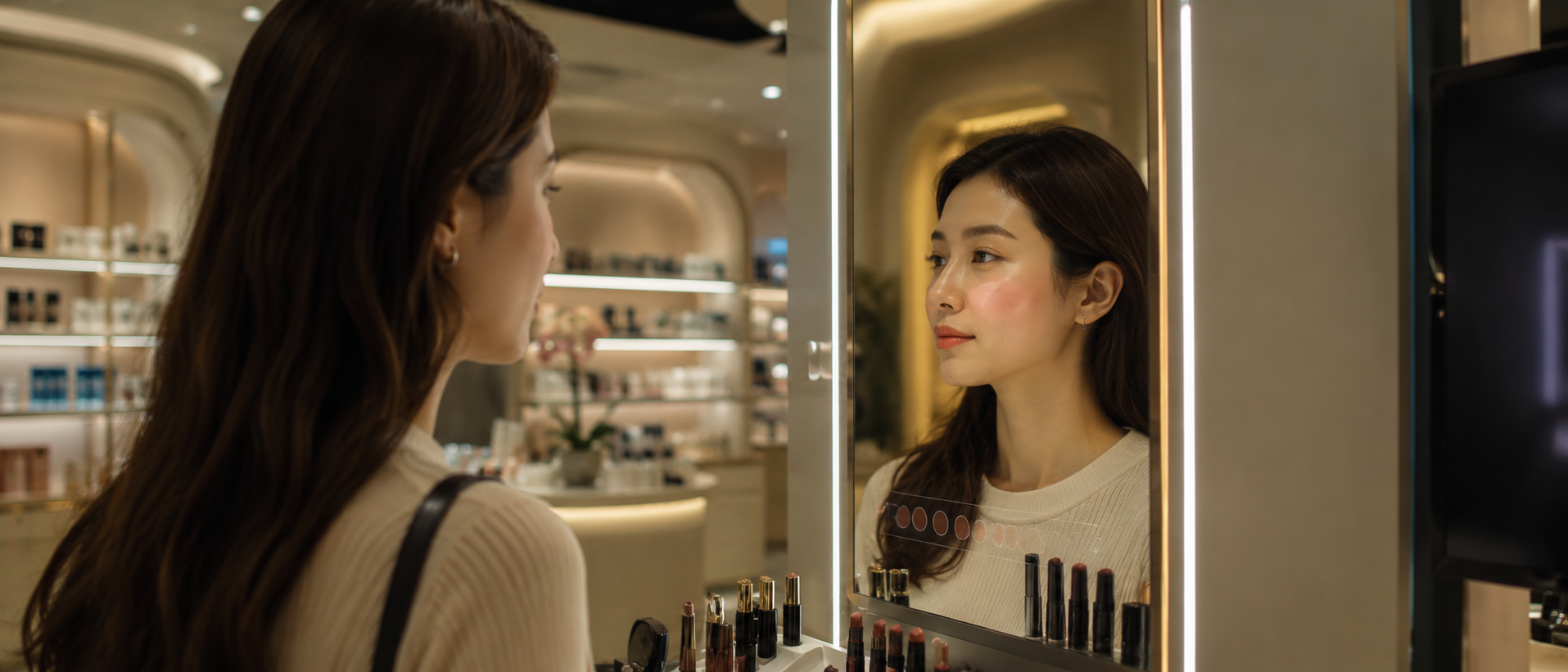
Most AR beauty try-on technology lives on a phone screen or a dedicated kiosk display, but shu uemura’s new AI Mirror takes a deliberately different approach, building the technology into an actual piece of real glass rather than a screen pretending to be one. This blog explores why that specific design choice matters far more than it might first appear, and what it signals about the next phase of AR-powered retail experiences. It opens by explaining the core limitation most virtual try-on technology still has to work around, that a phone or tablet screen is fundamentally a flat, secondary surface, and no matter how good the rendering is, customers are always aware they are looking at a device rather than themselves. Building the AI and 3D face scanning capability directly into real glass removes that psychological distance entirely, letting a customer look at what still functions as a genuine mirror while digital content, product try-on, personalized recommendations, skin analysis, is layered directly onto their own reflection in real time. The piece walks through why this matters specifically for high-consideration beauty and personal care purchases, where the gap between digital preview and physical reality has always been the biggest source of purchase hesitation and post-purchase returns, and why a genuinely mirror-like experience closes that gap more convincingly than any screen-based alternative. It covers the practical retail implications of choosing a flagship location like Omotesando Hills for this launch, arguing that placing genuinely novel AR retail technology in a brand’s most visible, most trafficked physical space signals confidence in the experience as a flagship differentiator rather than a quiet backend experiment.
A section will address what this approach means for other retail categories beyond beauty, including eyewear, jewelry, and fashion accessories, where the same core problem, needing to see how something looks on your actual face or body rather than a generic model, could benefit from the same real-glass, mirror-native approach rather than a phone-based alternative. The blog also touches on the underlying 3D face scanning capability itself, explaining why accurate, real-time facial mapping is the technical foundation making a convincing, personalized mirror experience possible at all, and why this kind of precision previously required far bulkier, less consumer-friendly hardware. In-store AR beauty technology, real-glass smart mirrors, and 3D face scanning retail experiences are the throughlines here, positioning this launch as a genuine step forward in making AR retail technology feel invisible rather than gimmicky.