
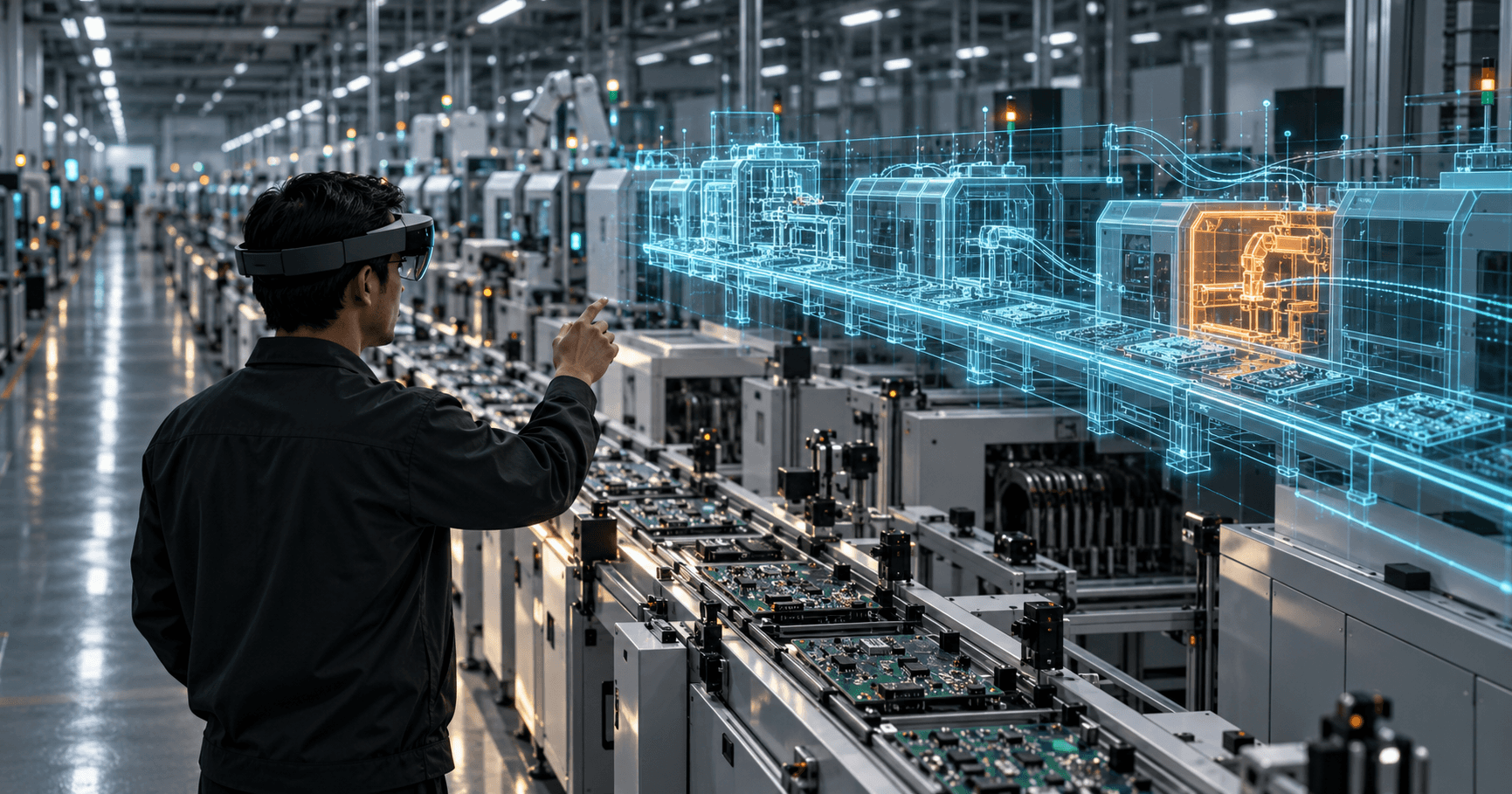
Ahead of NVIDIA GTC Berlin, which opens October 20, Siemens and NVIDIA shared a closer look at how industrial AI is being used inside a working plant. At the Siemens Electronics Factory in Erlangen, Germany, home to around 1,000 production employees, the two companies are using AI and simulation to help planners react to changing orders and reach production faster.The scenario is one every plant manager knows: an urgent order arrives when the schedule is already full. Siemens Intelligence Center X agents, built with NVIDIA’s Factory Operations Blueprint, pull factory data and planning tools together to recommend options, weighing available materials, line capacity, delivery commitments, time and cost. Teams then test the proposed changes in a digital twin while the real line keeps running. A production controller reviews the trade-offs and approves the plan before the agent applies any permitted change.The same approach reaches quality control. Siemens software works with NVIDIA Cosmos to build a virtual “golden board” and synthetic images of good and defective circuit boards, so inspection models can be trained on defects without waiting for them to appear on the real line. Siemens is also investing €500 million in its Erlangen Technology Campus to make it a hub for industrial AI and digital twins.
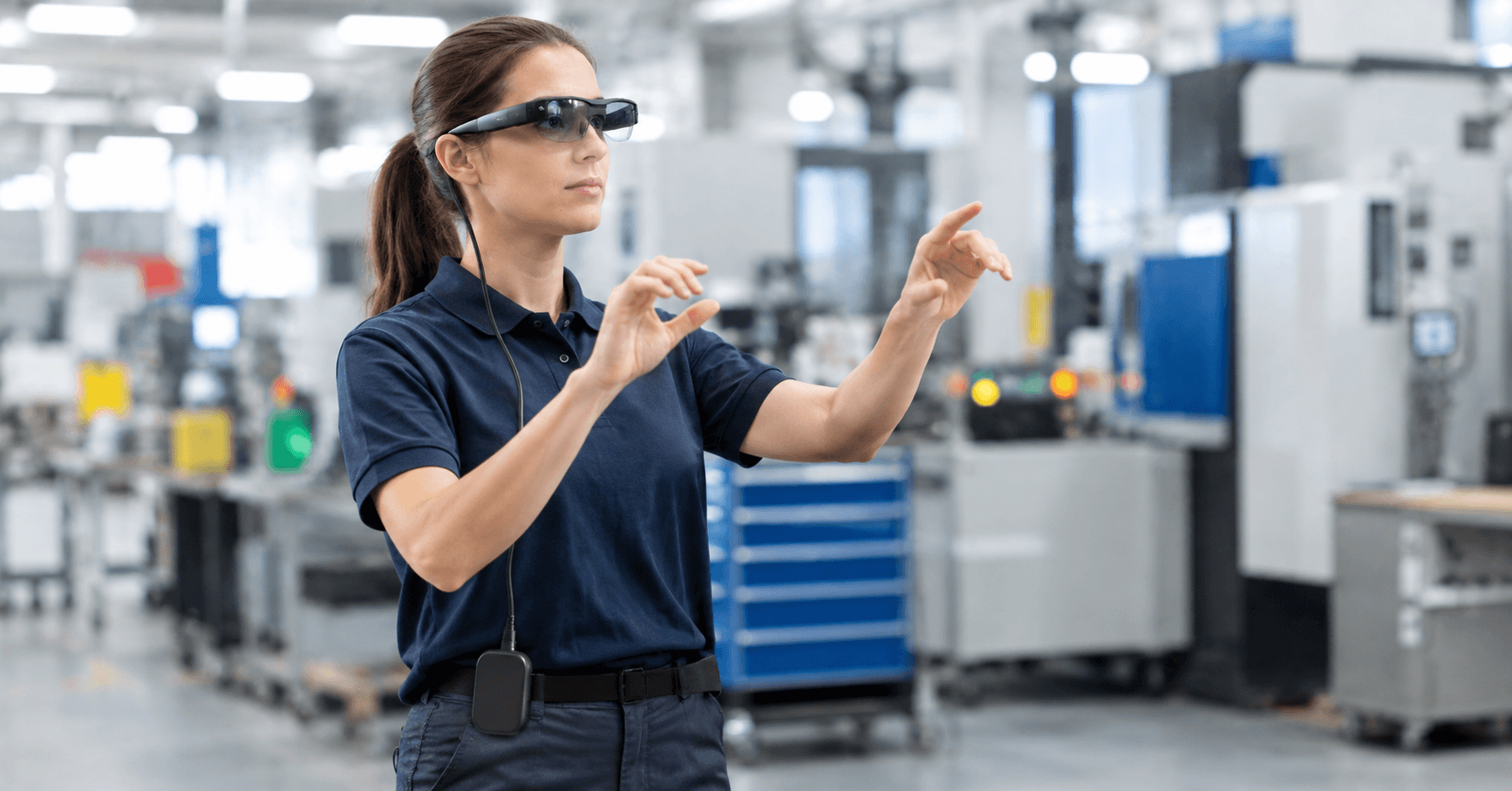
For manufacturers, the lesson is not that every plant needs an AI agent tomorrow. It is that the digital twin has become the place where decisions are rehearsed before they cost money. And that raises a practical question: can the people approving those decisions actually see what the twin is telling them?That is where immersive technology earns its place. A planner who can walk through a proposed line change in VR, or a supervisor who can see the twin overlaid on the real floor in AR, is likely to spot clashes, bottlenecks and safety risks faster than they would from a flat dashboard. The same twin can become a training environment, letting operators rehearse a new layout or a rare fault before they meet it for real.
At PointZero Immersive Lab, this is how we approach digital-twin projects: start with the decision the team needs to make, then choose VR, AR, WebXR or a simple browser view to make that decision clearer. The twin is only as valuable as the confidence it gives the people using it every day.