
istance has announced a collaboration with Kia to bring its lightfield HUD technology into the Vision Meta Turismo concept car, marking what the companies describe as the first consumer application of this specific display approach in a production-adjacent vehicle concept.
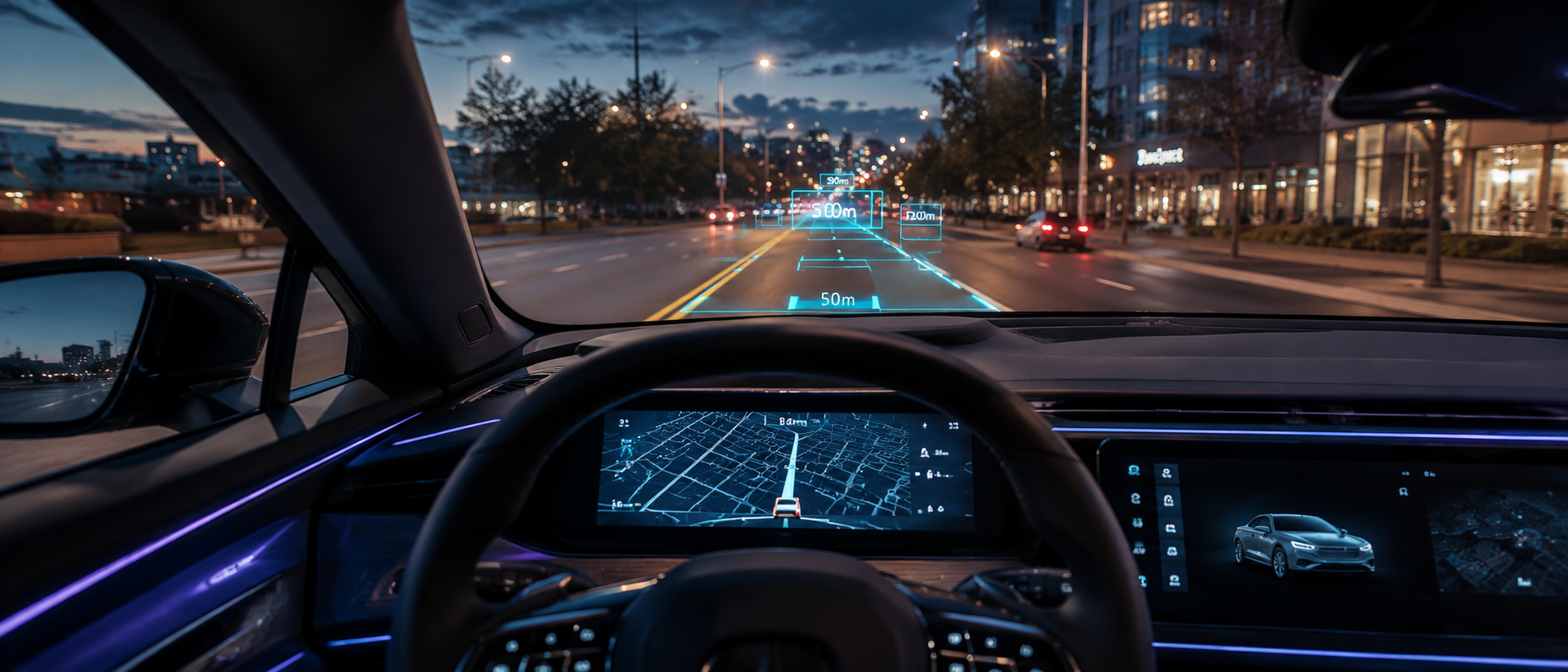
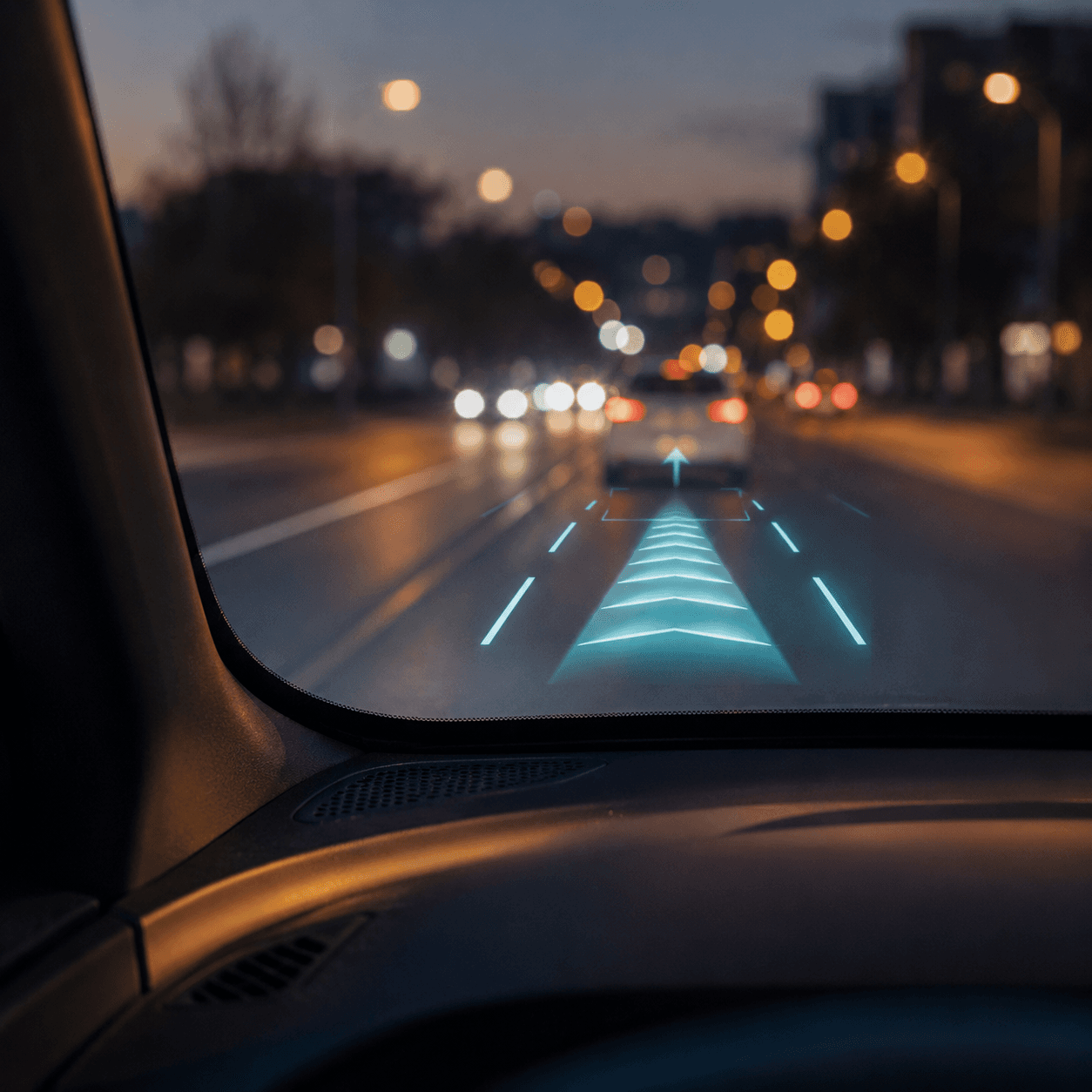
Most in-car heads-up displays today project a flat, fixed-depth image onto the windshield, which works reasonably well for simple readouts but struggles to convincingly blend digital information with the real, three-dimensional road environment a driver is actually looking at. Distance’s lightfield HUD technology, now being built into Kia’s Vision Meta Turismo concept car, takes a fundamentally different approach, and this blog explains why that distinction matters for the future of automotive AR. It opens by explaining what lightfield display technology actually does differently, rendering digital content at multiple, physically accurate depth planes rather than one flat plane, meaning a navigation arrow or hazard warning can appear to sit naturally at the correct distance on the actual road ahead rather than floating as an obviously artificial overlay. The piece walks through why this depth accuracy matters so much specifically in a moving vehicle, since a driver’s eyes are constantly shifting focus between near and far points on the road, and a flat HUD image forces an unnatural refocus every time a driver’s attention moves between the display and the actual environment, a genuine safety consideration at highway speeds. It covers what being positioned as “the first consumer” lightfield HUD application signals about this technology’s maturity, suggesting the underlying display technology has moved past pure research demonstration and into a stage where automotive partners are willing to commit it to an actual vehicle concept program.
A section will address the broader automotive AR implications this represents, arguing that as depth-accurate display technology matures, the case for richer, more integrated windshield AR, real-time hazard detection, contextual navigation, augmented lane guidance, becomes significantly stronger than with earlier generation flat HUD systems that always felt slightly disconnected from the real driving environment. The blog also touches on what this partnership pattern reveals about how advanced display technology tends to reach the market, typically debuting first in concept vehicles and premium partnerships before gradually reaching broader production vehicle lineups. In-car lightfield displays, automotive AR windshields, and next-generation HUD technology are the throughlines here, treating a concept car partnership as a meaningful early signal of where in-vehicle AR display technology is heading.