
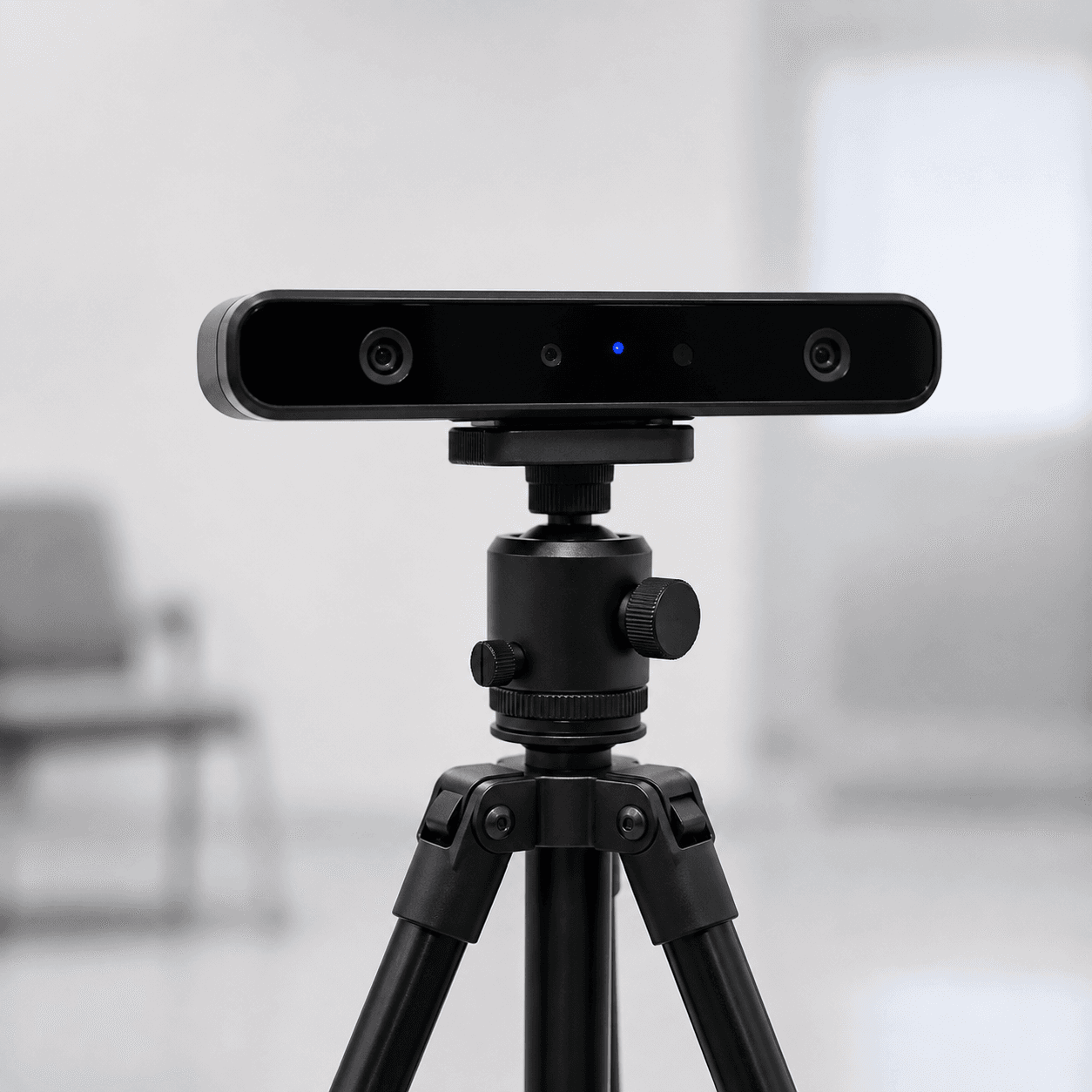
A network meta-analysis found that a decade-old motion-tracking camera outperformed expensive VR headsets on the primary clinical measure of upper-limb motor recovery after stroke, while immersive headset-based VR failed to reach statistical significance on the same outcome, showing no clear advantage over conventional therapy.
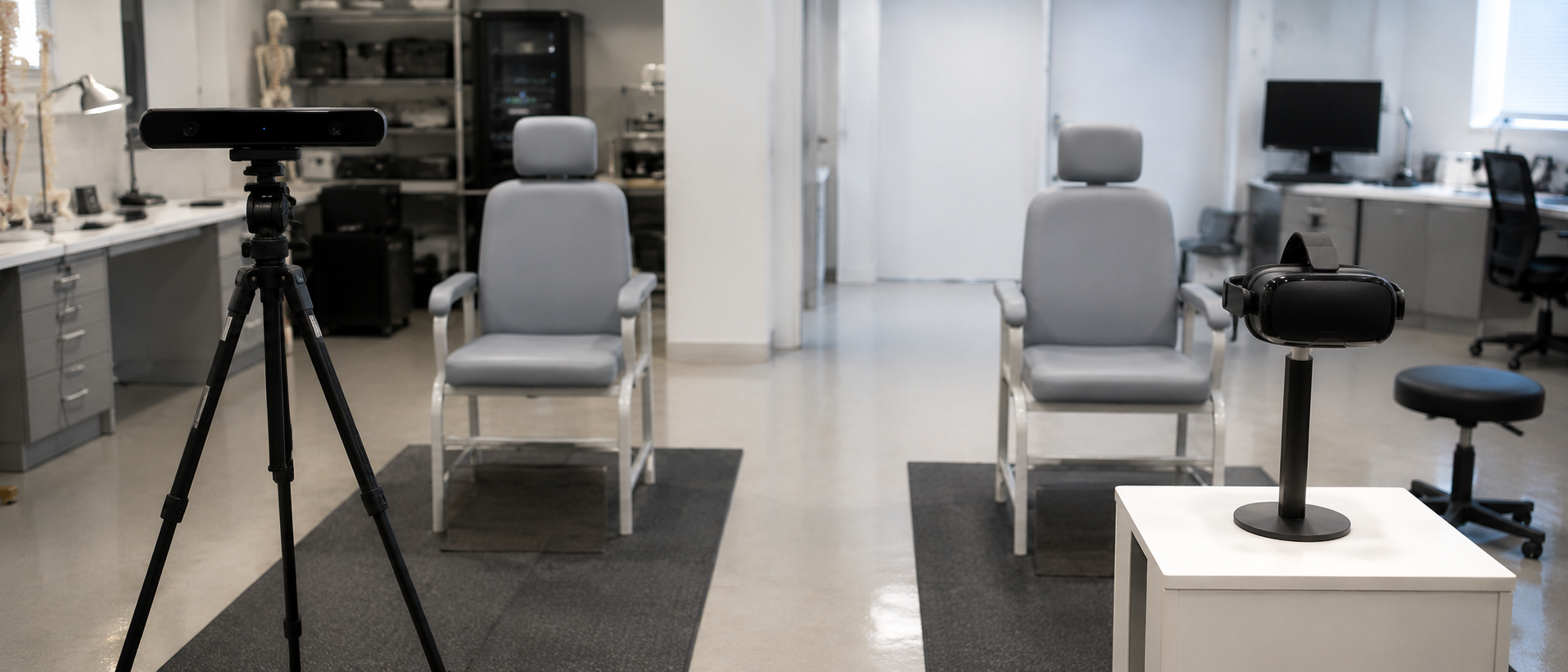
Not every immersive technology headline points in the direction the industry expects, and this particular finding, that an inexpensive, decade-old motion-tracking camera outperformed expensive, current-generation VR headsets on the primary clinical measure of stroke recovery, deserves honest attention precisely because it complicates the more optimistic VR rehabilitation narrative that’s dominated recent coverage. This blog breaks down what this specific network meta-analysis actually measured, and why nuance matters enormously when evaluating VR’s genuine clinical role in stroke rehabilitation. It opens by explaining what makes this finding worth taking seriously rather than dismissing, since a network meta-analysis synthesizes results across multiple studies to compare interventions that may not have been directly tested against each other, a rigorous methodology specifically designed to answer exactly this kind of comparative question, which technology actually works best, rather than simply which technology has been studied most. The piece walks through the specific, somewhat uncomfortable result, that immersive headset-based VR failed to reach statistical significance on the primary outcome measure and showed no clear advantage over conventional therapy, while a considerably simpler and less expensive motion-tracking camera system performed better on that same specific measure, a result that should genuinely temper unqualified enthusiasm for headset-based VR as a rehabilitation solution. It covers why this finding doesn’t necessarily contradict other positive VR rehabilitation research entirely, since different studies measure different outcomes, use different VR implementations, and study different patient populations, meaning this specific result on this specific primary outcome measure is a genuinely important data point without being the final word on VR rehabilitation broadly.
A section will address what this means practically for healthcare providers and rehabilitation clinics evaluating technology investment, arguing that the actual lesson here is about technology selection specificity, not a blanket rejection of immersive rehabilitation tools, since a simpler, camera-based motion tracking approach outperforming an expensive headset on this specific measure suggests the mechanism of benefit may matter more than the sophistication or cost of the underlying hardware. The blog also touches on why this kind of honest, sometimes uncomfortable research finding matters for the credibility of the entire immersive healthcare technology field, since acknowledging where the evidence is genuinely mixed rather than only citing favorable studies builds the kind of trust clinical adoption decisions actually require. Evidence-based rehabilitation technology, VR clinical outcomes nuance, and stroke recovery research are the throughlines here, giving healthcare decision-makers a genuinely balanced, honest look at what the current evidence actually shows.