
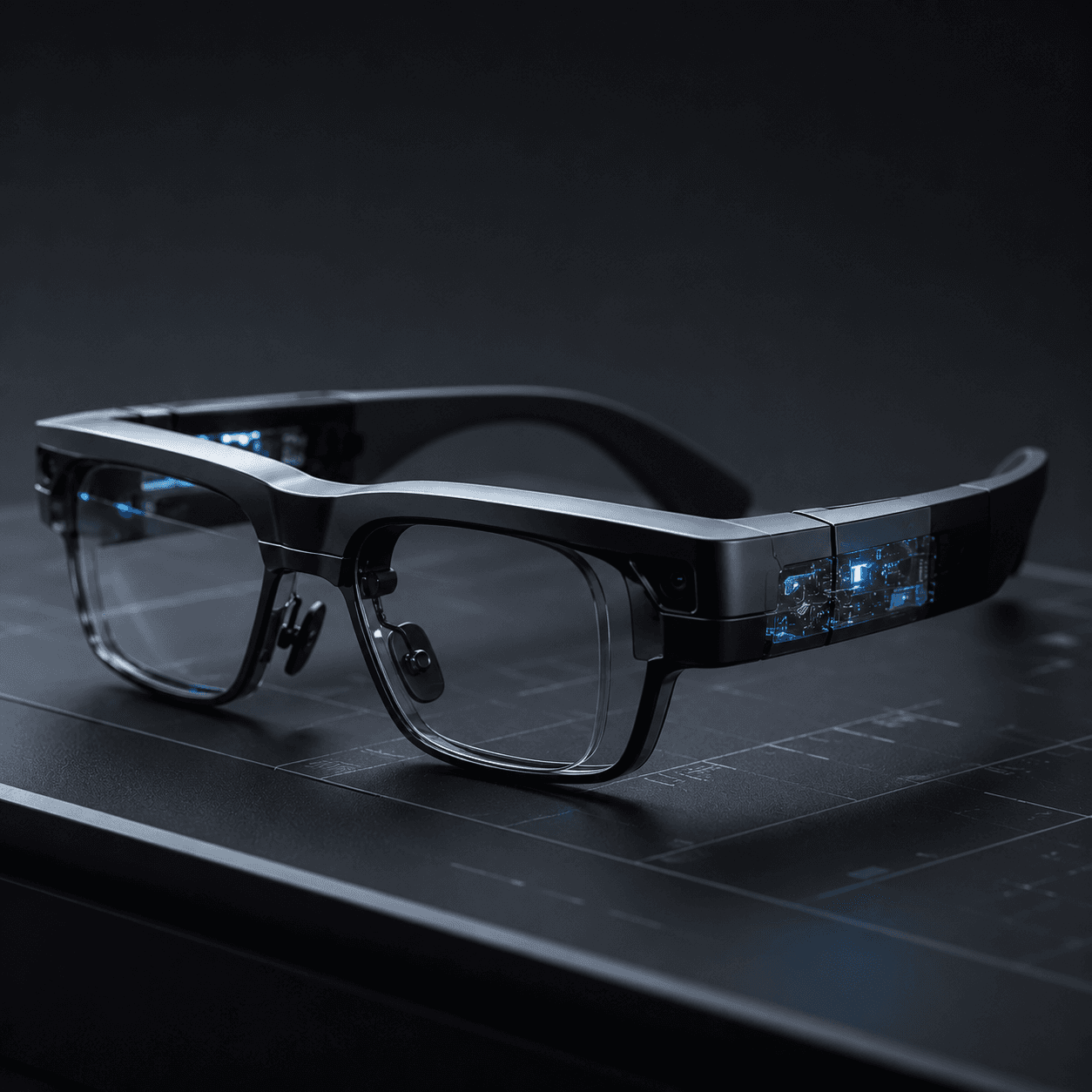
Raven Resonance previewed Raven Prism at AWE 2026, a standalone Linux computer built directly into eyewear, representing a step toward AR glasses that function as fully independent computing devices rather than requiring a tethered phone or separate processing unit.

Most AR glasses on the market today still depend on a tethered phone or an external processing unit to actually do the computational heavy lifting, but Raven Resonance’s newly previewed Raven Prism takes a different approach entirely, building a full standalone Linux computer directly into the eyewear itself. This blog explores why removing that tether matters so much for the specific use cases PointZero’s industrial and field service clients care about most. It opens by explaining the practical limitation tethered AR glasses create in real work environments, since requiring a connected phone or separate compute unit means an extra device to carry, charge, and keep paired, a meaningful point of failure and friction for field technicians already juggling tools, safety equipment, and both hands on a physical task. The piece walks through what genuine standalone computing capability unlocks specifically, including running AR applications independently without network dependency in remote or connectivity-poor environments common in oil and gas, mining, and utility field work, and eliminating the pairing and battery management overhead that comes with keeping a separate tethered device alive throughout a full field shift. It covers why choosing a full Linux operating system specifically, rather than a closed proprietary system, matters for enterprise adoption, since an open, familiar operating system gives businesses and developers far more flexibility to build, customize, and integrate field-specific applications than a locked-down consumer platform typically allows.
A section will address the realistic tradeoffs standalone AR computing still has to manage, including the genuine engineering challenge of fitting meaningful processing power, battery life, and thermal management into a form factor still expected to be light enough for comfortable extended wear, a tension every fully standalone AR device has to balance carefully. The blog also touches on what this progress signals for the broader trajectory of enterprise AR hardware, arguing that as standalone processing power in a glasses form factor continues improving, the case for phone-tethered AR solutions weakens specifically for field service and industrial applications where reliability and independence from a secondary device matter more than in casual consumer use cases. Standalone AR computing, Linux-based smart glasses, and untethered field service technology are the throughlines here, treating a hardware preview as a meaningful signal for how enterprise AR deployments could simplify going forward.