
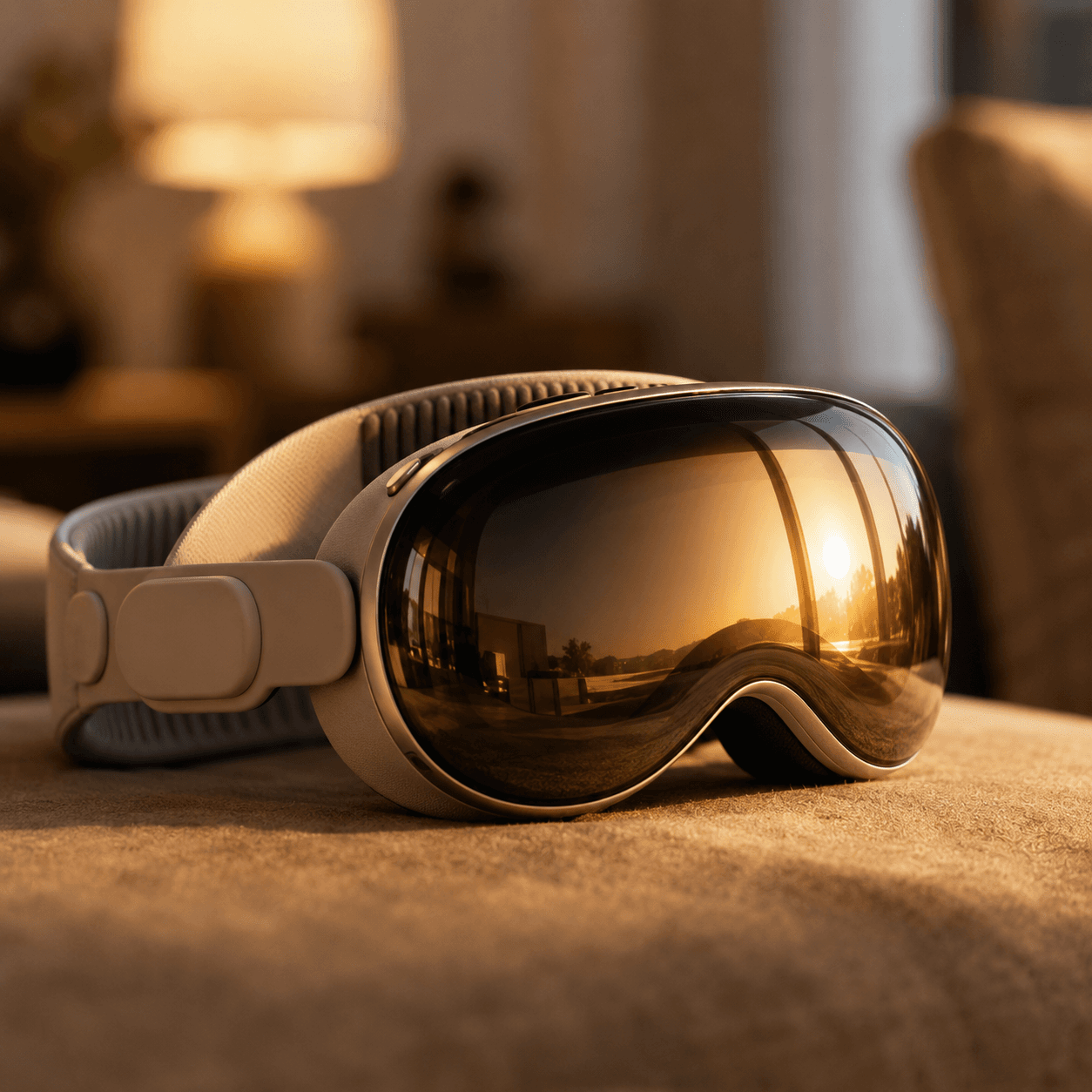
Composer A.R. Rahman has launched ARR Immersive on Apple Vision Pro, a visionOS app delivering 360-degree immersive films and spatial audio experiences, including three Kathak dance performances fused with Western classical compositions, using Apple’s proprietary ASAF spatial audio format created specifically for the app.

When an Academy Award and Grammy-winning composer launches an original spatial computing app rather than simply licensing existing music to a platform, it signals a genuinely different level of creative investment in immersive technology than most cultural content partnerships typically involve. This blog explores what A.R. Rahman’s ARR Immersive app reveals about the emerging category of premium, artist-led cultural content built specifically for spatial computing platforms, and why that model matters for how brands and cultural institutions should think about their own immersive content investments. It opens by explaining what makes this launch notable beyond the composer’s name recognition, that the app features original content created exclusively for the platform, including Kathak classical dance performances reimagined alongside instantly recognizable Western classical compositions, rather than simply repackaging previously released material into a spatial format. The piece walks through why building on Apple’s proprietary ASAF spatial audio format specifically, with new audio mixes created for this app, represents a meaningfully deeper technical investment than typical cross-platform content, since committing to a platform-specific spatial audio standard signals genuine confidence in that platform’s audience and long-term relevance rather than a hedge-your-bets, format-agnostic release. It covers what this East-West cultural fusion approach demonstrates about spatial computing’s potential as a genuinely new creative medium, arguing that pairing Indian classical dance with Western classical music in an immersive, spatially-rendered format creates an experience that could not exist in the same way on a flat screen, using the medium’s actual capabilities rather than treating it as simply a fancier way to watch existing content.
A section will address what this kind of artist-led cultural launch means for brands and cultural institutions evaluating their own spatial computing content strategy, suggesting that the strongest immersive cultural content tends to come from genuine creative reimagining for the medium rather than straightforward ports of existing material, a lesson directly relevant to museums, heritage sites, and entertainment brands considering their own AR or VR content investments. The blog also touches on what this signals about Vision Pro’s positioning specifically as a platform attracting genuinely prestigious cultural content, since high-profile artists choosing to launch original work on a specific spatial computing platform lends that platform meaningful cultural credibility beyond its technical specifications alone. Spatial audio content, immersive cultural experiences, and artist-led spatial computing are the throughlines here, treating a composer’s app launch as a genuine signal of where premium immersive cultural content is heading.