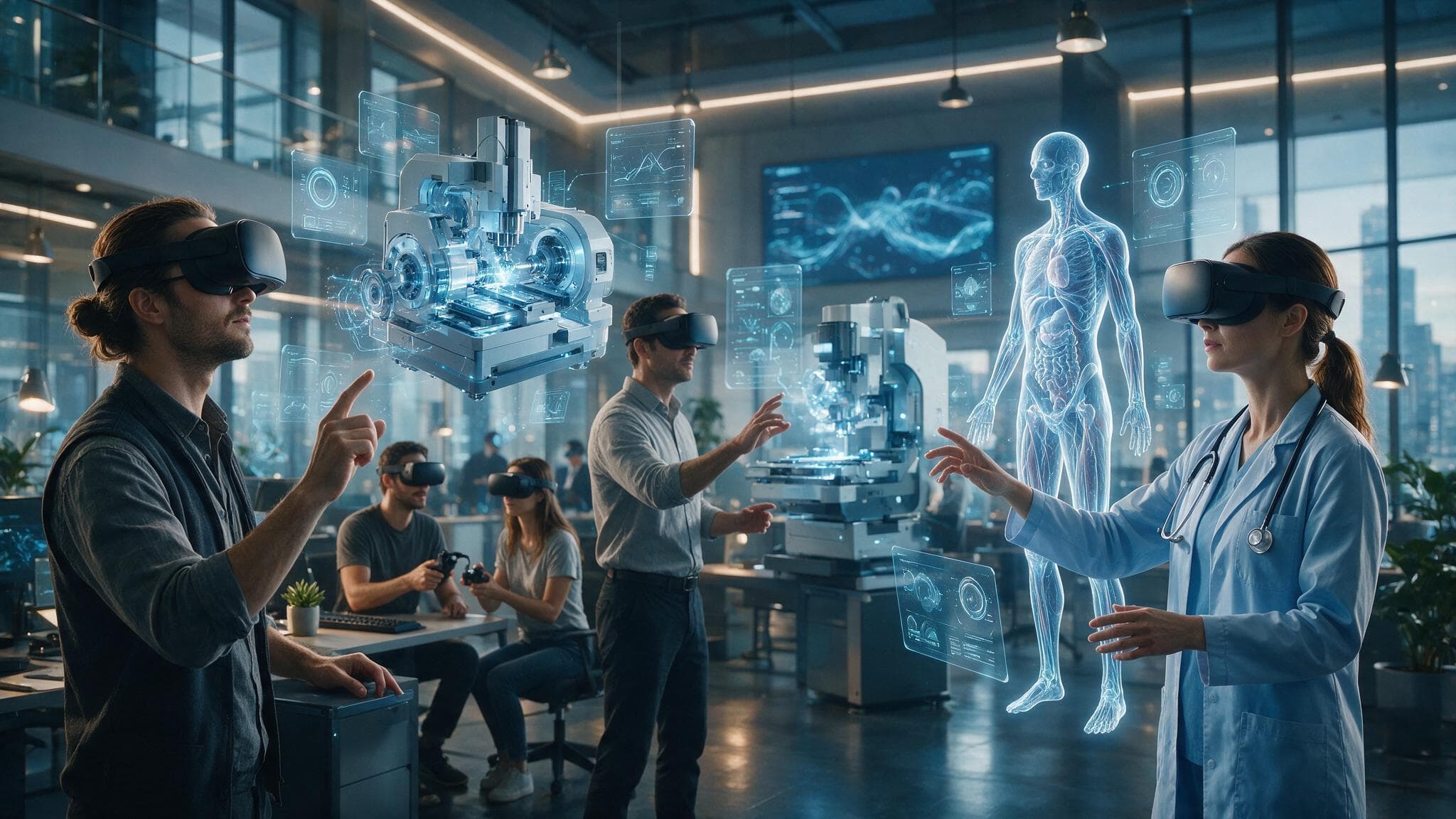

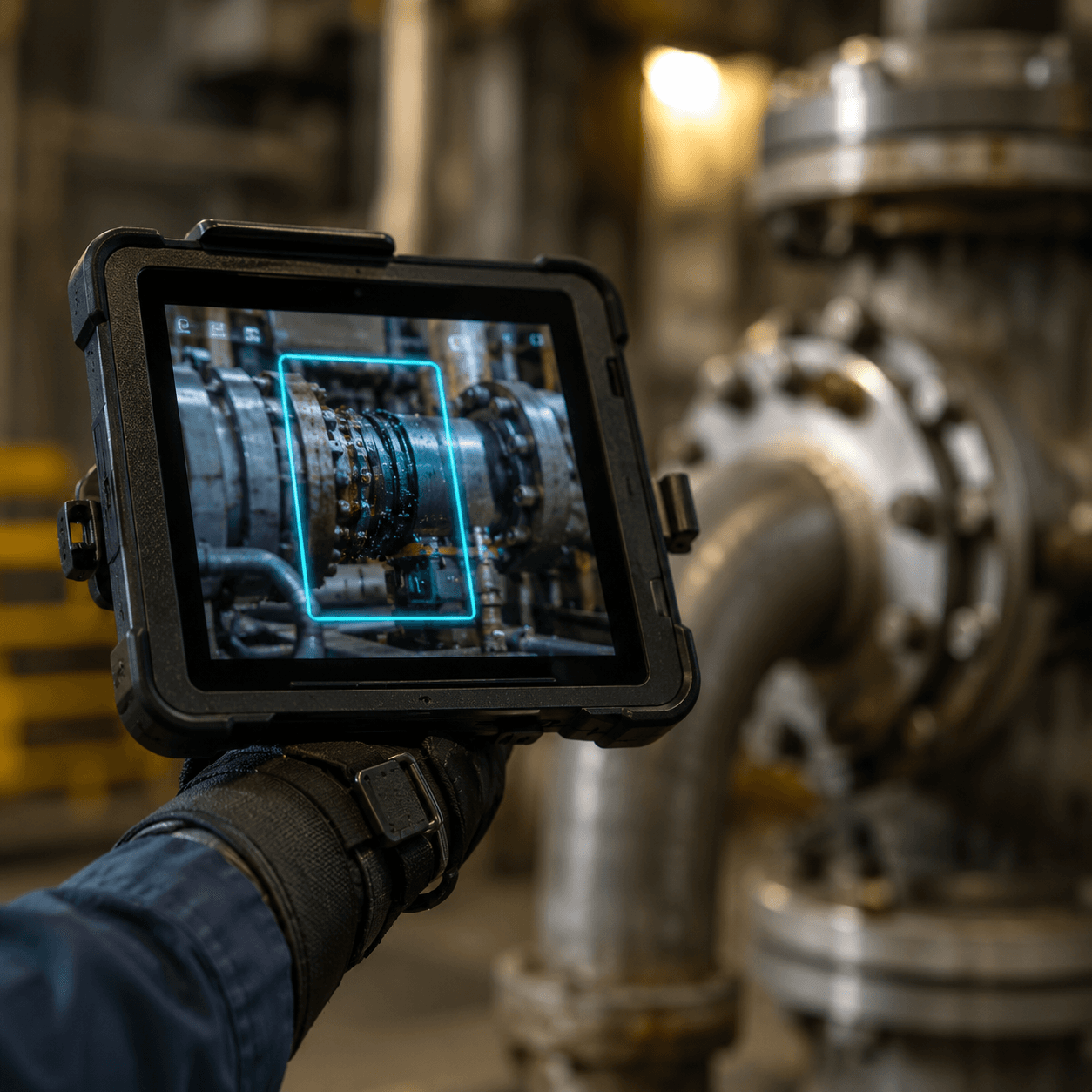
Flatirons Solutions acquired Scope AR on July 1, 2026, bringing AI-powered technical content management, immersive 3D work instructions, and remote expert support into one unified platform. The deal reflects a broader consolidation trend across industrial AR, where standalone point solutions are increasingly being folded into larger platforms as manufacturing, oil and gas, and aviation clients demand integrated systems over separate tools.
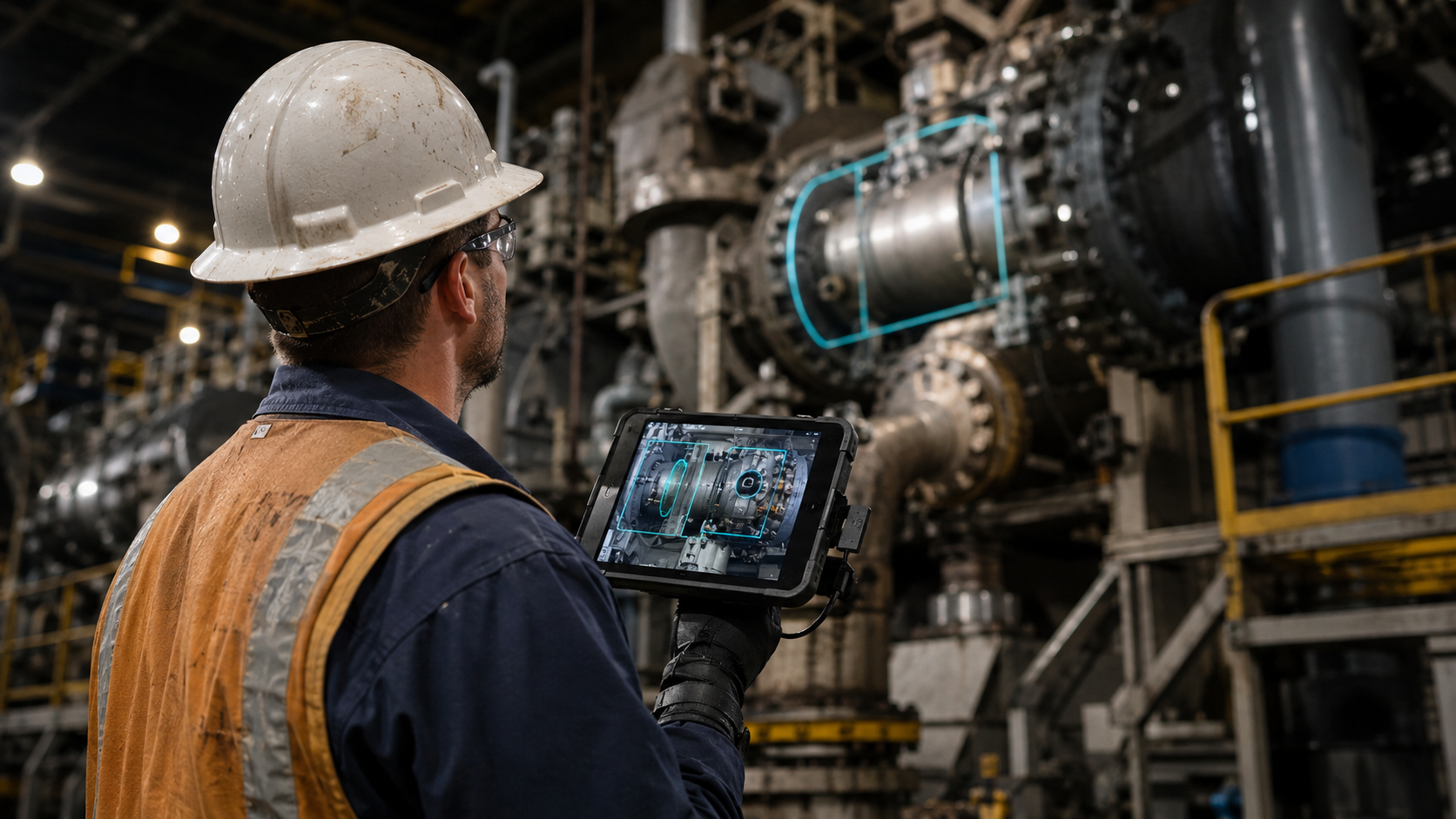
A quiet but telling acquisition happened this month in the industrial AR space, with Flatirons Solutions acquiring Scope AR to combine AI-powered technical content management, immersive 3D work instructions, and remote expert support under a single platform. This blog treats that deal as a signal worth paying attention to rather than routine industry news, because it points to where buyers in manufacturing, oil and gas, and aviation are pushing the market. For years, industrial AR has been sold as a collection of separate point solutions, one tool for remote expert calls, another for authoring 3D work instructions, another for managing technical documentation, forcing operations teams to stitch multiple systems together.
This acquisition, and others like it happening across the sector, reflects growing buyer demand for a single, integrated platform rather than a patchwork of disconnected tools, since disconnected systems create real friction for field teams who need one consistent workflow rather than switching between apps mid-task. The piece unpacks what each piece of this newly combined offering actually does for a business, starting with AI-powered technical content management, which uses existing manuals, CAD files, and maintenance logs to auto-generate structured work instructions rather than requiring a team to build every module by hand, dramatically cutting content creation time. It covers immersive 3D work instructions, which overlay step-by-step guidance directly onto physical equipment so a technician sees exactly what to do rather than interpreting a static diagram, and remote expert support, which connects field technicians directly to specialists who can see what the technician sees and annotate their live view in real time. A section will address what this consolidation trend means for businesses currently evaluating industrial AR vendors, making the case that platform breadth and integration depth are becoming more important selection criteria than any single standout feature, since the real operational value comes from these capabilities working together rather than in isolation. The article also touches on the acquisition pattern itself as a market signal, noting that when established enterprise software players acquire specialized AR studios, it typically indicates the underlying technology has matured past the experimental phase and is being treated as core infrastructure worth serious capital investment. Industrial AR platforms, integrated field service technology, and AR work instructions are the throughlines here, framing this acquisition as evidence of where serious buyers are already placing their bets.