
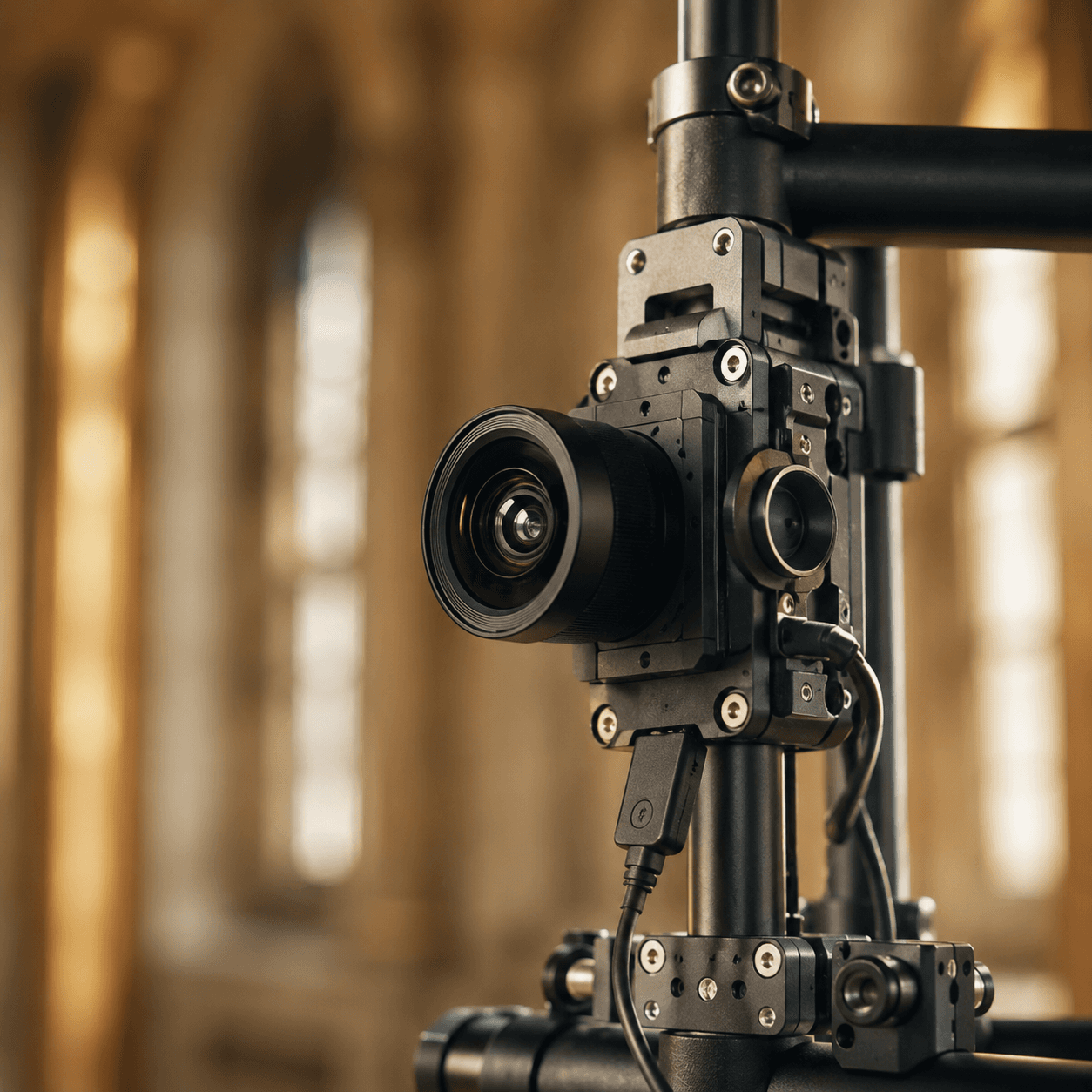
Radiant Images has unveiled a portable system for recording Gaussian Splat videos, a volumetric capture format capable of reproducing a real person or space with enough fidelity to make it feel genuinely present when viewed in mixed reality, now shown as a field-deployable rig rather than a fixed studio setup.
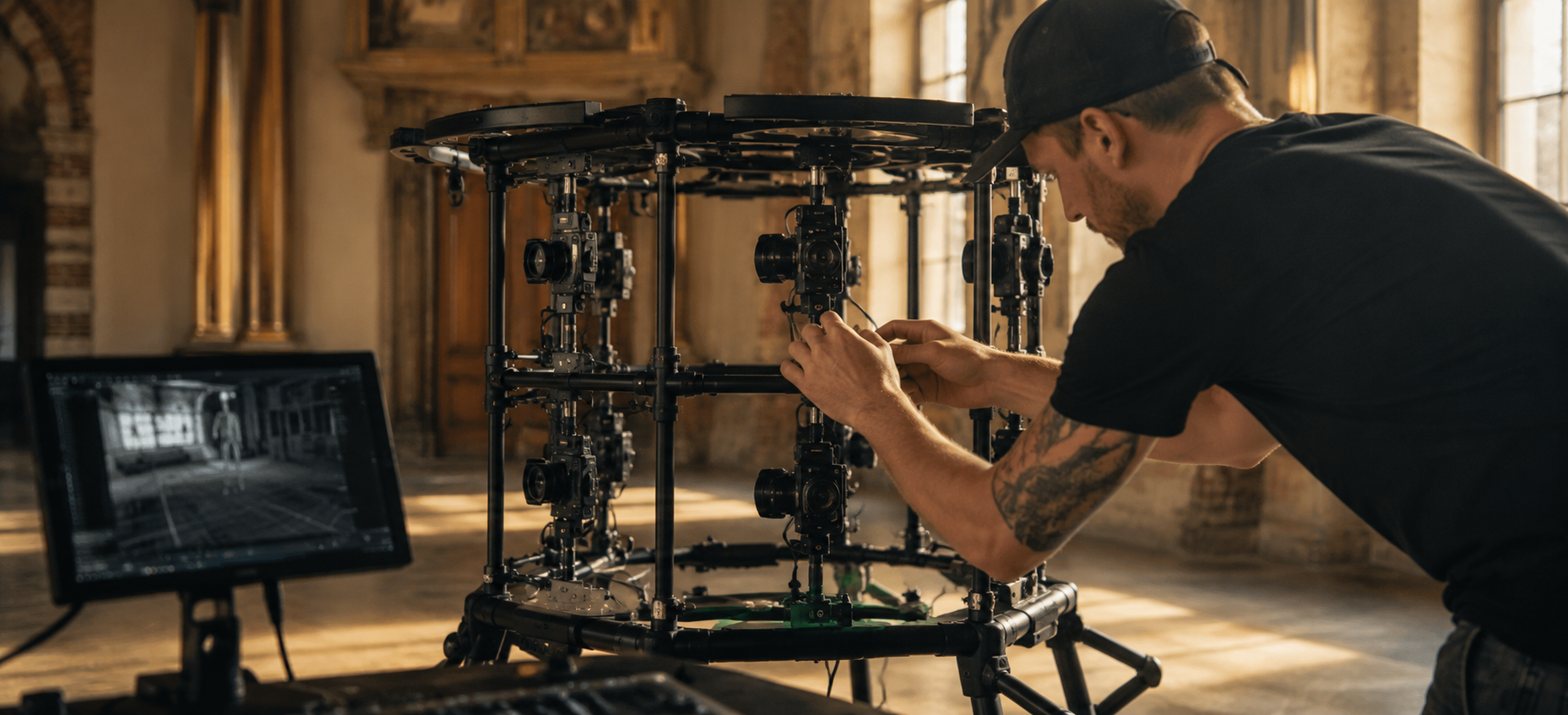
Gaussian Splat capture has already generated real excitement for its ability to reproduce a physical space or person with striking realism, but until now, achieving that quality has generally required a fixed studio setup, limiting where and how this kind of content could actually be produced. Radiant Images’ new portable recording system changes that by making Gaussian Splat video capture genuinely field-deployable, and this blog explores what taking this capability out of the studio and into the field means for industries that depend on documenting real physical locations and moments. It opens by explaining what makes volumetric Gaussian Splat video specifically compelling compared to traditional video or even standard 3D scanning, since the format can reproduce a person or space with enough fidelity that viewing it in mixed reality creates a genuine sense of that subject actually being present, a meaningfully different experience than watching a flat video or walking through a static 3D scan. The piece walks through why portability changes the realistic scope of projects this technology can support, covering how a fixed studio setup fundamentally limits capture to controlled environments and pre-scheduled subjects, while field-deployable capture opens up documenting real locations exactly as they exist, active job sites, historical locations, live events, without requiring the subject to travel to a specialized facility. It covers the specific opportunity this creates for real estate and heritage and tourism applications directly relevant to PointZero’s work, including capturing a property’s actual current condition and lived-in character with volumetric fidelity rather than a static 3D scan, and documenting heritage sites or cultural moments with a level of presence that could meaningfully deepen an AR or VR storytelling experience beyond what flat video or standard photogrammetry achieves.
A section will address the realistic production considerations this technology still involves, since volumetric capture of this quality still requires specialized equipment and expertise to shoot and process correctly, meaning field portability lowers the location barrier without eliminating the genuine technical skill required to produce a convincing result. The blog also touches on how this fits into the broader trajectory of reality capture technology, where the consistent trend across recent development has been pushing high-fidelity capture out of controlled studio conditions and into real-world, on-location settings, making increasingly realistic immersive content achievable in far more contexts than were previously practical. Volumetric video capture, Gaussian Splat technology, and on-location 3D content production are the throughlines here, treating a hardware innovation as a genuine expansion of what real estate and cultural heritage AR and VR content can now realistically achieve.