
In an exclusive interview, Even Realities CEO Will Wang stated that “adding a camera onto a pair of glasses definitely introduces many more downsides than upsides,” directly criticizing Meta and Google’s camera-equipped glasses strategy, and noting his company does not store personal user data or train AI models with customer information.

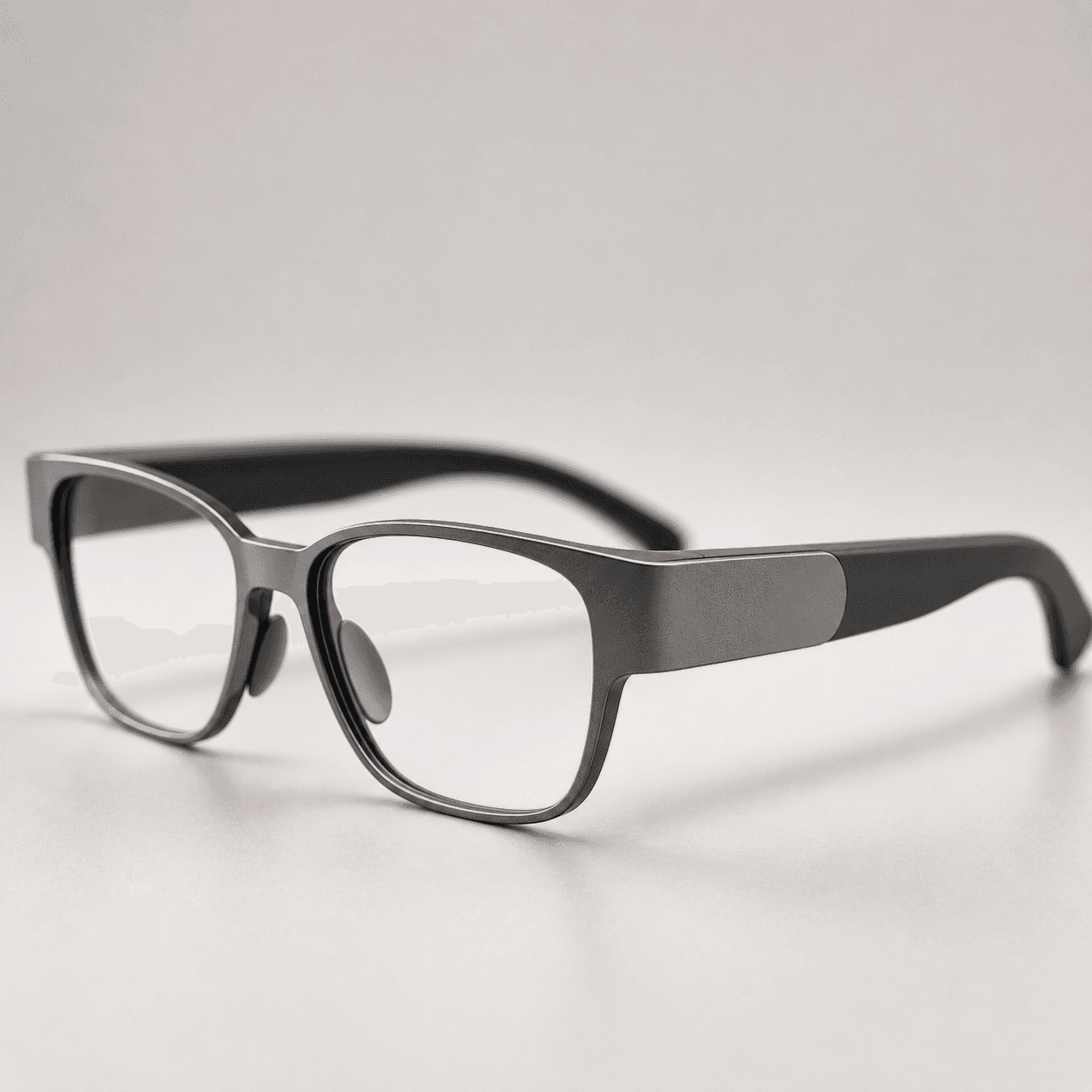
Most smart glasses companies are racing to add cameras and AI capture features, so when a billion-dollar smart glasses startup’s own CEO publicly argues that cameras introduce more problems than benefits, it’s worth taking that position seriously as a genuine business strategy rather than dismissing it as an underdog’s marketing angle. This blog explores the reasoning behind Even Realities’ deliberately camera-free approach and what it reveals about a real strategic fork in how the smart glasses industry is developing. It opens by explaining the specific critique Wang raises, that camera-equipped glasses from major players are being used to harvest AI training data, a business model tension where a device marketed as a personal assistant is simultaneously functioning as a data collection tool for the company selling it, creating a genuine conflict of interest most buyers never fully register. The piece walks through what Even Realities builds instead, display-first glasses that project an invisible heads-up display visible only to the wearer, delivering navigation, translation, and notifications without any camera or speaker hardware at all, a fundamentally different value proposition than competitors chasing content capture and AI vision features. It covers why this approach specifically resonates with professionals handling sensitive information, doctors, politicians, and similar roles where a wearable device with recording capability creates a genuine trust liability regardless of how it’s actually used, making a provably camera-free device a meaningful differentiator rather than a limitation.
A section will address what this positioning means for the broader smart glasses market, since Even Realities reaching a billion-dollar valuation on this camera-free philosophy proves there’s a substantial, serious market for privacy-first wearables, not just a niche of privacy-obsessed early adopters, a genuinely important data point for any business trying to predict which smart glasses approach will win broader enterprise and professional adoption. The blog also touches on what this debate means for businesses building AR content and experiences, arguing that designing for a camera-free, display-first interaction model versus a camera-equipped, vision-based model requires fundamentally different content and feature planning, making this philosophical split directly relevant to technical content strategy, not just a hardware preference debate. Privacy-first smart glasses, camera-free AR design, and trustworthy wearable technology are the throughlines here, using a pointed executive interview to explore a genuine strategic fork shaping the smart glasses industry’s future.