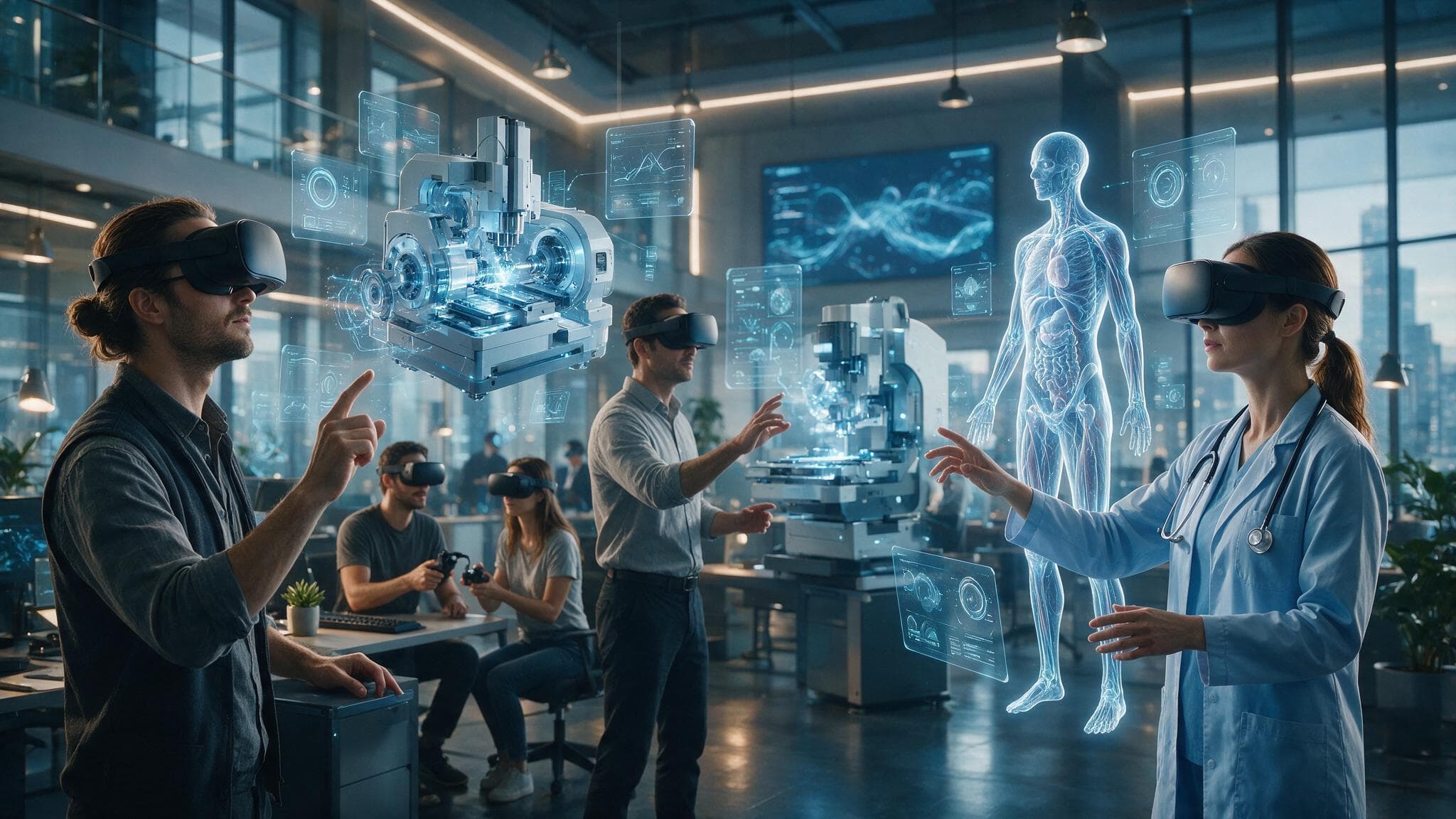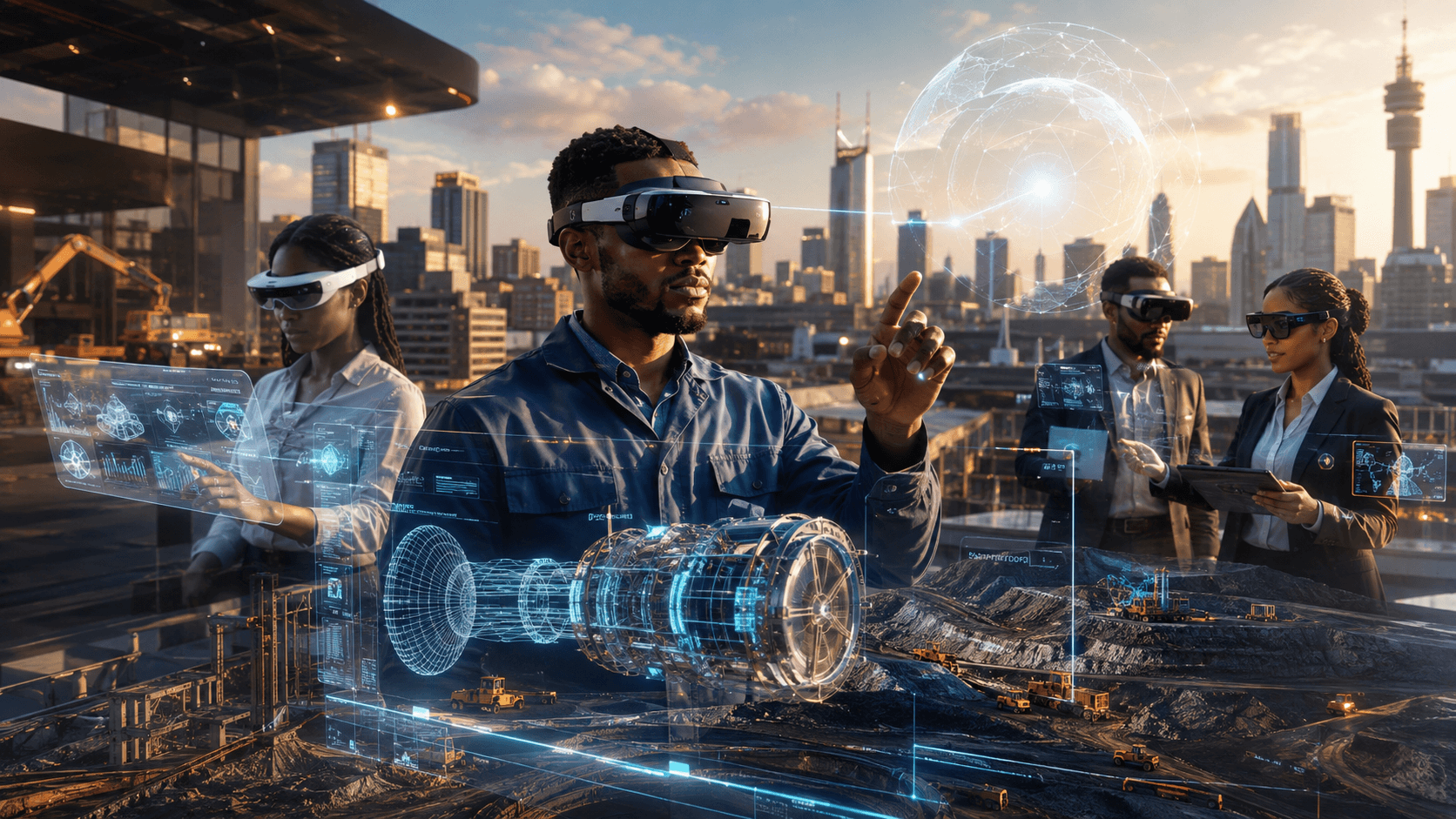

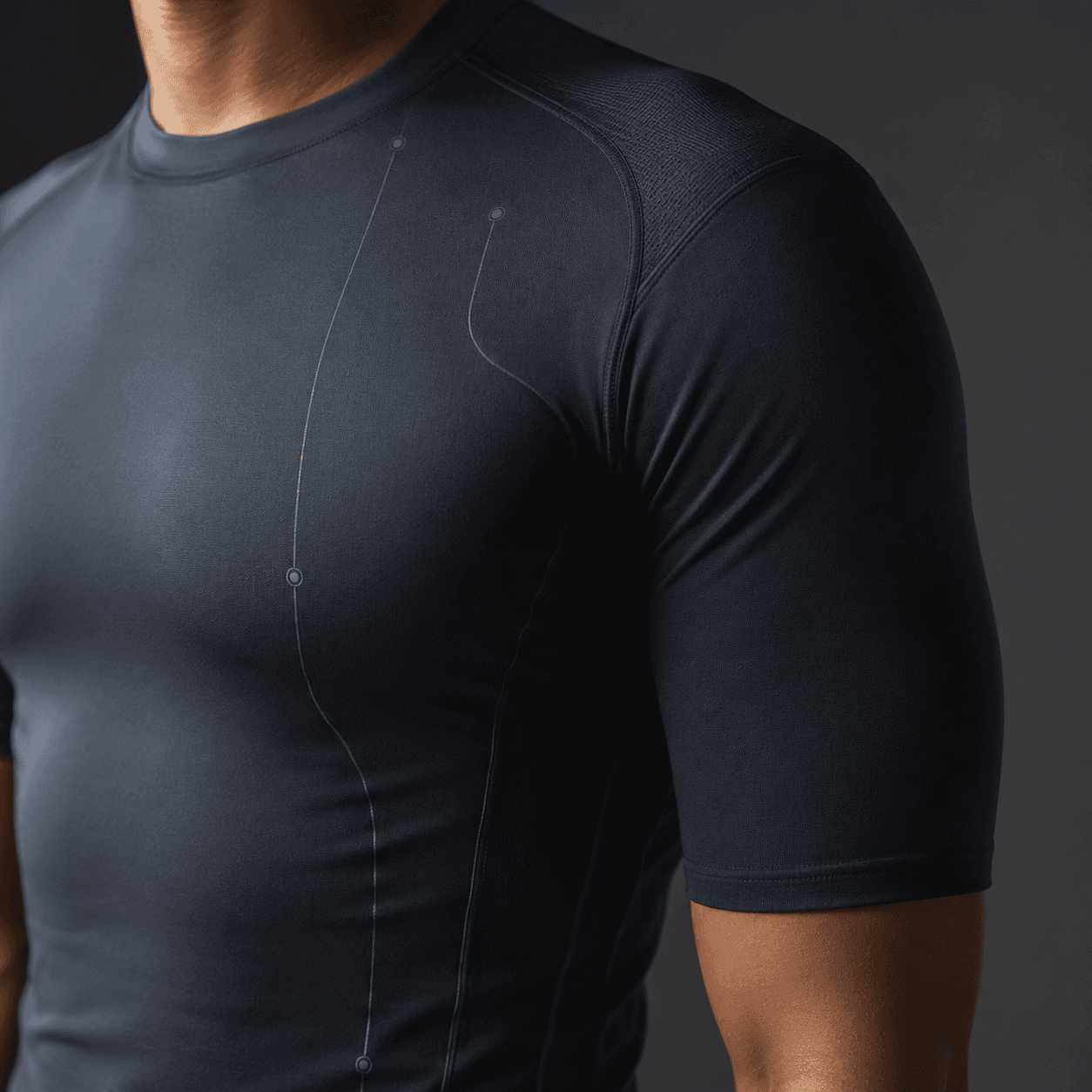
ShadowMaker Labs showcased a smart shirt designed for body-based game and XR controls, extending motion input beyond hand controllers and headset tracking into full torso and body movement for immersive experiences.
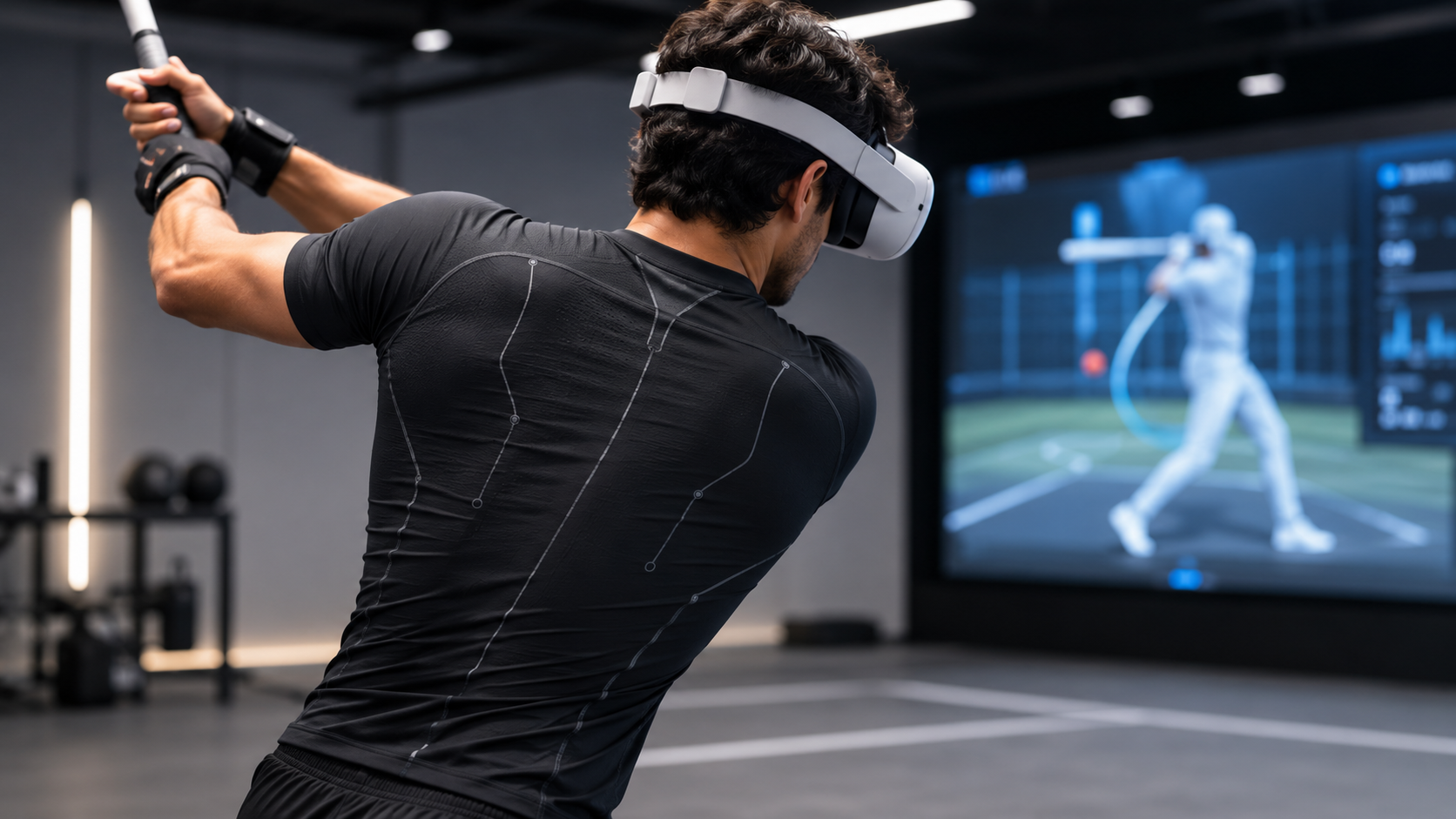
Every VR interaction method that has become standard so far, hand controllers, headset tracking, hand-gesture recognition, still leaves out one of the richest sources of information about how a person is actually moving, their torso and core body posture. ShadowMaker Labs’ new smart shirt is built specifically to capture that missing layer, and this blog explores what full-body wearable input could mean for immersive training simulations specifically, well beyond its more obvious gaming applications. It opens by explaining the gap this technology addresses, that most current VR training experiences only track what a person’s hands and head are doing, which works fine for tasks centered on manual dexterity but misses entirely the kind of information that matters most for training scenarios involving posture, balance, physical exertion, or full-body coordination under pressure. The piece walks through the specific training categories where torso and body tracking could meaningfully improve simulation accuracy, including physical safety training where correct body positioning during a task is itself part of what is being taught, ergonomics and injury-prevention training where posture is the entire point of the exercise, and physically demanding procedural tasks like confined-space maneuvering or equipment operation requiring coordinated whole-body movement rather than just hand actions. It covers why wearable fabric-based sensors specifically, rather than external camera-based motion capture, represent a meaningful step forward for enterprise training deployment, since a garment a trainee simply wears removes the need for a dedicated tracking room or fixed camera setup, making full-body capable training portable across different facility locations.
A section will address the realistic near-term application of this technology, acknowledging that body-based wearable input is still an emerging category best suited to specific, well-defined use cases rather than a wholesale replacement for hand controllers across every VR experience, and that training designers should think of it as an additional data layer for specific scenario types rather than a universal upgrade. The blog also touches on how richer body-motion data could eventually feed into the kind of AI-powered adaptive training scenarios already emerging elsewhere in VR training, since capturing full-body movement gives a system far more signal to evaluate a trainee’s actual physical performance against, not just whether they completed a task but how well their body executed it. Full-body VR training input, wearable motion capture, and next-generation immersive training hardware are the throughlines here, treating a gaming-adjacent product showcase as a genuine signal for where enterprise training simulation could head next.