
Zero Latency VR has partnered with Seef Entertainment and launched its new Outbreak 2 Mall Mayhem location-based entertainment experience, expanding the free-roam VR operator’s presence into shopping mall venues specifically.
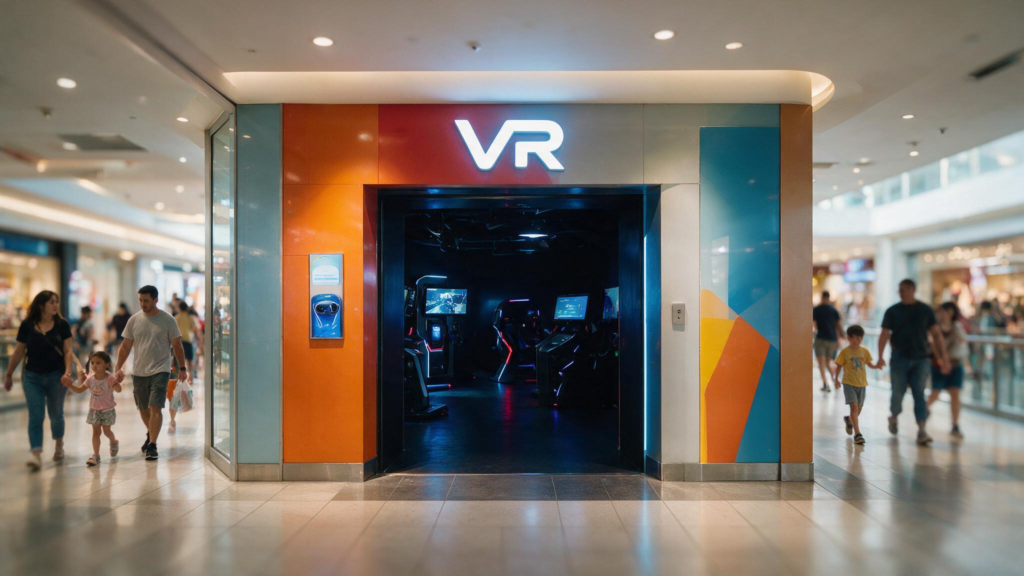
Shopping malls have spent the past decade losing foot traffic to online retail, and location-based VR operators like Zero Latency have found a genuinely mutually beneficial answer to that decline, bringing immersive, free-roam entertainment experiences directly into mall spaces, and this blog explores why malls specifically have become such a natural fit for this category of entertainment venue. It opens by explaining the underlying business logic driving this pairing, that malls need experiences that genuinely cannot be replicated online to justify a physical visit, exactly the value proposition free-roam VR entertainment offers, an experience fundamentally impossible to have through e-commerce or home streaming, while VR operators need consistent, high-traffic physical locations, exactly what an established mall property already provides. The piece walks through what makes free-roam VR specifically, rather than seated or stationary VR experiences, such a strong fit for this venue type, since free-roam experiences require dedicated physical space and genuinely benefit from the kind of consistent foot traffic and family-oriented visitor base a shopping mall naturally attracts, particularly on weekends when both malls and entertainment venues see their strongest attendance. It covers why this partnership pattern matters for property owners and mall operators specifically, since anchoring a mall with a genuine entertainment destination rather than only additional retail tenants creates a different kind of visit motivation, potentially extending average visit duration and creating repeat visitation patterns that benefit surrounding retail and dining tenants through increased overall foot traffic.
A section will address what this specific partnership, branded around a zombie outbreak theme, reveals about content strategy for this venue type, arguing that immersive entertainment content aimed at this kind of venue benefits from broad, accessible appeal and genuine replay value, since a mall-based VR venue depends on repeat local visitation rather than a single destination trip, unlike a standalone flagship VR venue that might draw visitors from much further away for a one-time experience. The blog also touches on what this pattern signals for the broader location-based entertainment industry, reinforcing that partnering with existing high-traffic retail infrastructure, rather than building standalone venues from scratch, represents a genuinely efficient distribution strategy for scaling immersive entertainment experiences into new markets. Location-based VR entertainment, mall revitalization strategy, and free-roam immersive venues are the throughlines here, exploring why shopping malls and VR entertainment operators have found each other as genuinely complementary partners.