

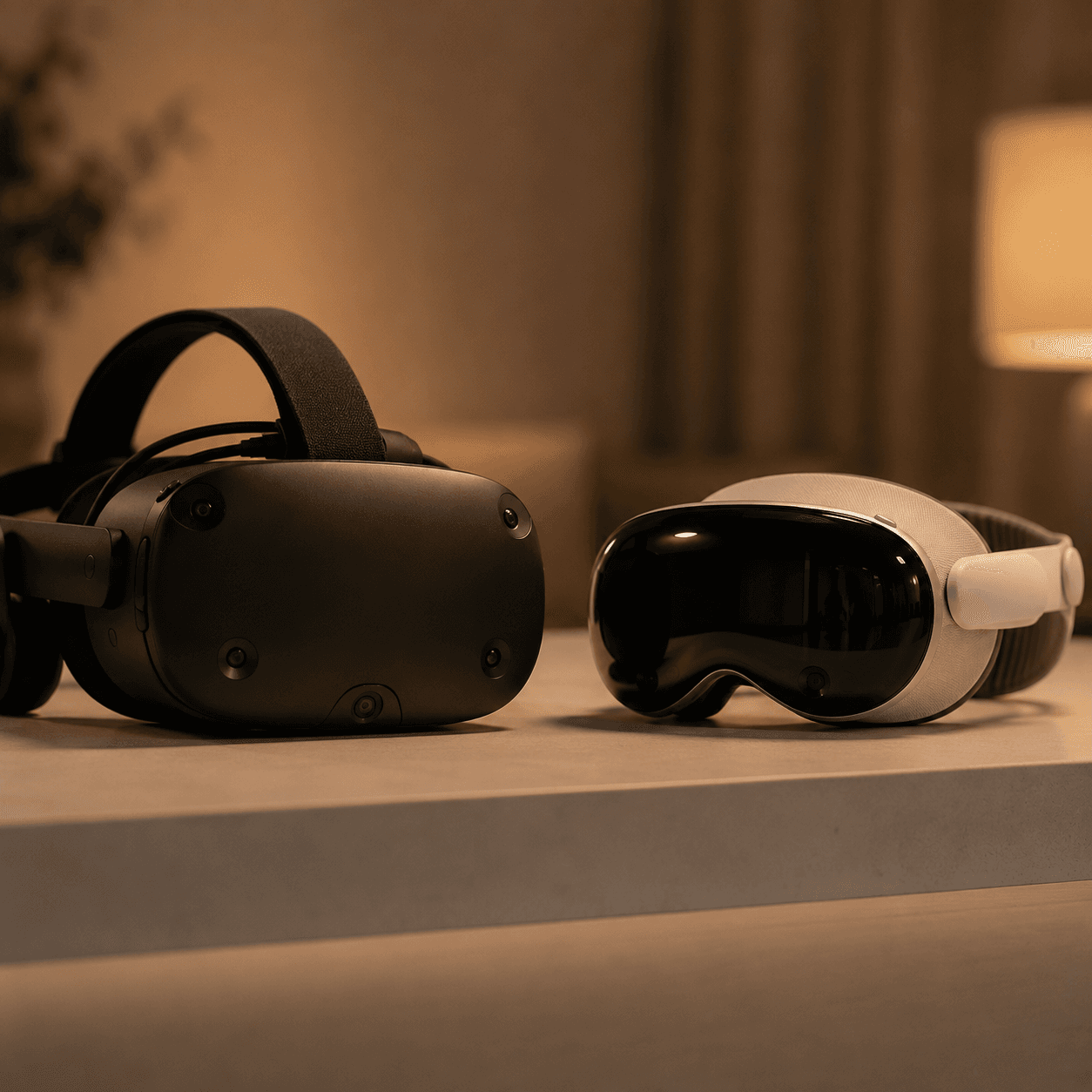
Somnium Space, a competitor to VRChat, has announced its largest update yet, version 3.1.6, ahead of a planned return to Steam and new support for the Apple Vision Pro, signaling an active push to expand its reach across multiple hardware platforms.
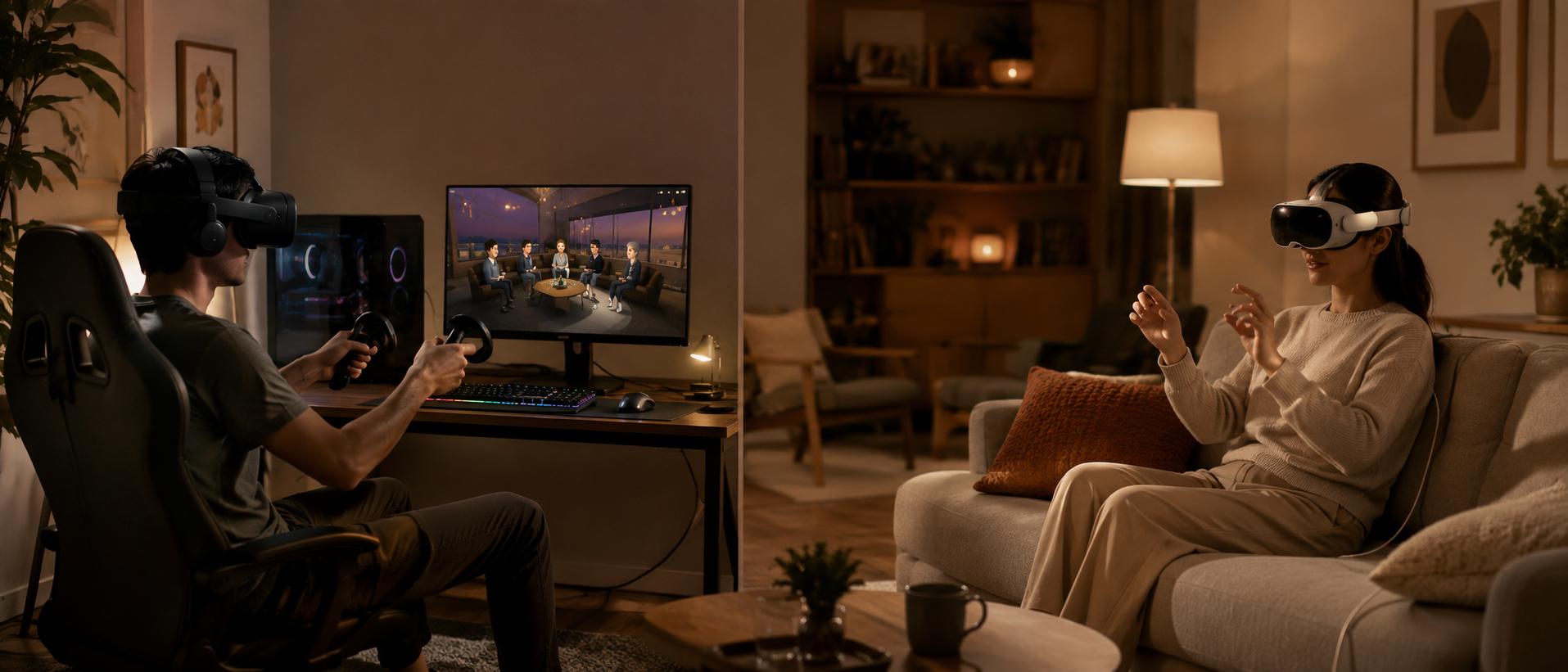
Social VR platforms live or die on where their audience can actually access them, and Somnium Space’s decision to time its largest-ever platform update with both a Steam return and new Apple Vision Pro support reveals a deliberate, multi-platform growth strategy worth examining. This blog explores what that timing and platform choice combination signals about how social and collaborative VR platforms are positioning themselves for the next phase of hardware fragmentation across the industry. It opens by explaining why returning to Steam matters specifically for a social VR platform, since Steam represents the largest existing PC VR audience with established purchasing habits and discovery mechanisms, making a Steam presence a meaningful distribution advantage over platforms that stay locked to a single headset manufacturer’s own store. The piece walks through why pairing that Steam return with new Apple Vision Pro support represents a genuinely different kind of platform bet, since Vision Pro’s audience skews toward a different use case and price point entirely than typical Steam VR users, suggesting Somnium Space is deliberately positioning itself to serve both the established PC VR gaming crowd and the emerging spatial computing productivity and social audience simultaneously rather than choosing one lane. It covers what this cross-platform strategy reveals about where social and collaborative VR platforms see genuine growth opportunity, since building for the widest possible range of devices, rather than optimizing exclusively for one headset ecosystem, positions a platform to capture users regardless of which hardware camp ultimately wins the broader adoption race.
A section will address why this pattern matters beyond gaming-oriented social VR specifically, since the same underlying logic, building genuinely cross-platform rather than betting on a single hardware winner, applies directly to enterprise and B2B immersive experiences too, where locking a training program or brand experience to a single headset ecosystem creates unnecessary long-term risk as the hardware landscape continues fragmenting across Meta, Android XR, and Apple’s competing platforms. The blog also touches on what launching a major update timed specifically around expanded platform reach signals about competitive pressure in the social VR space, since platforms are increasingly recognizing that audience reach across devices, not just feature depth on a single device, determines long-term competitive position. Cross-platform VR strategy, social VR competition, and multi-headset content deployment are the throughlines here, using a platform update announcement to reinforce a genuinely important lesson about building immersive experiences for the actual fragmented hardware landscape rather than a single device.