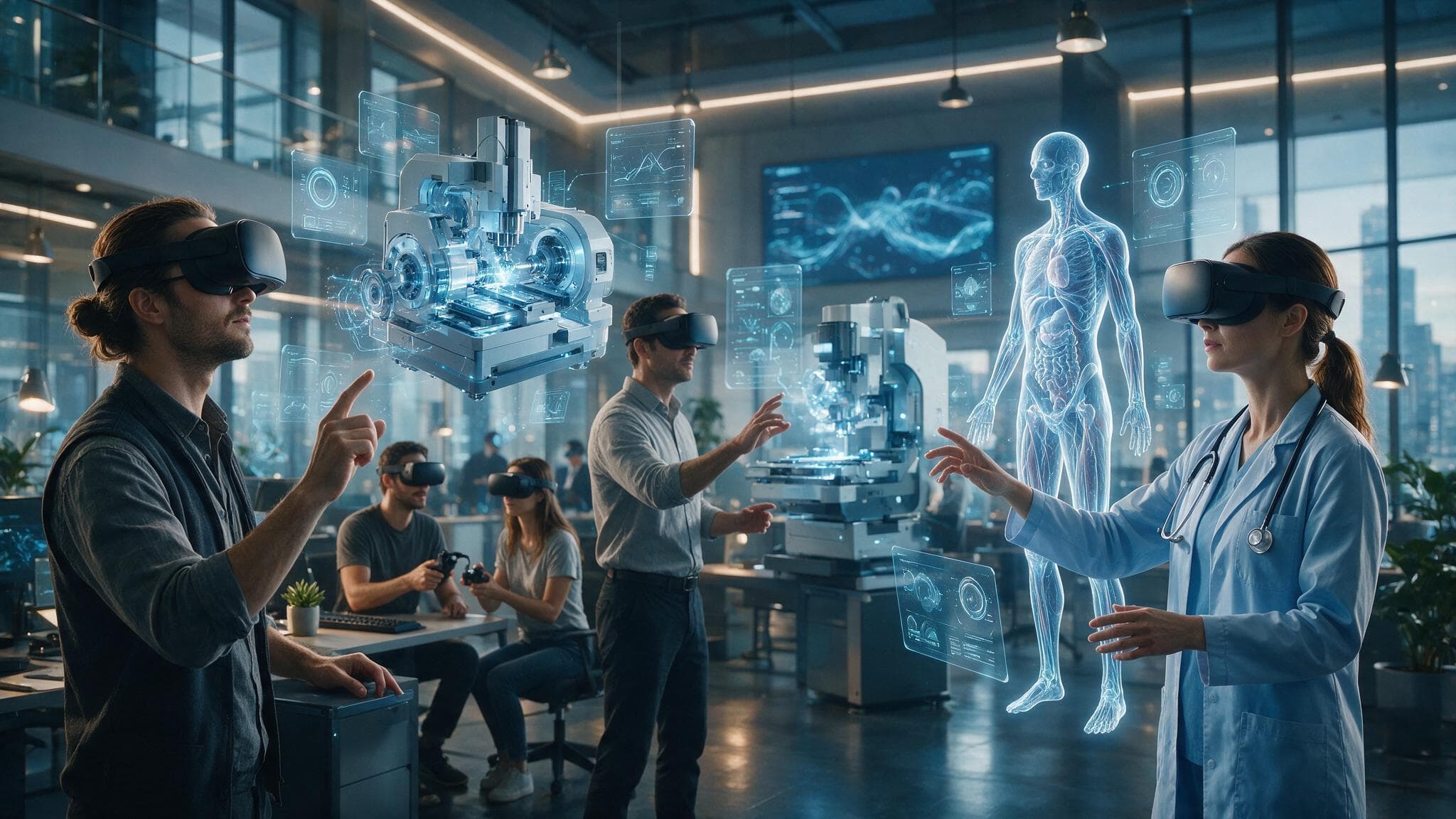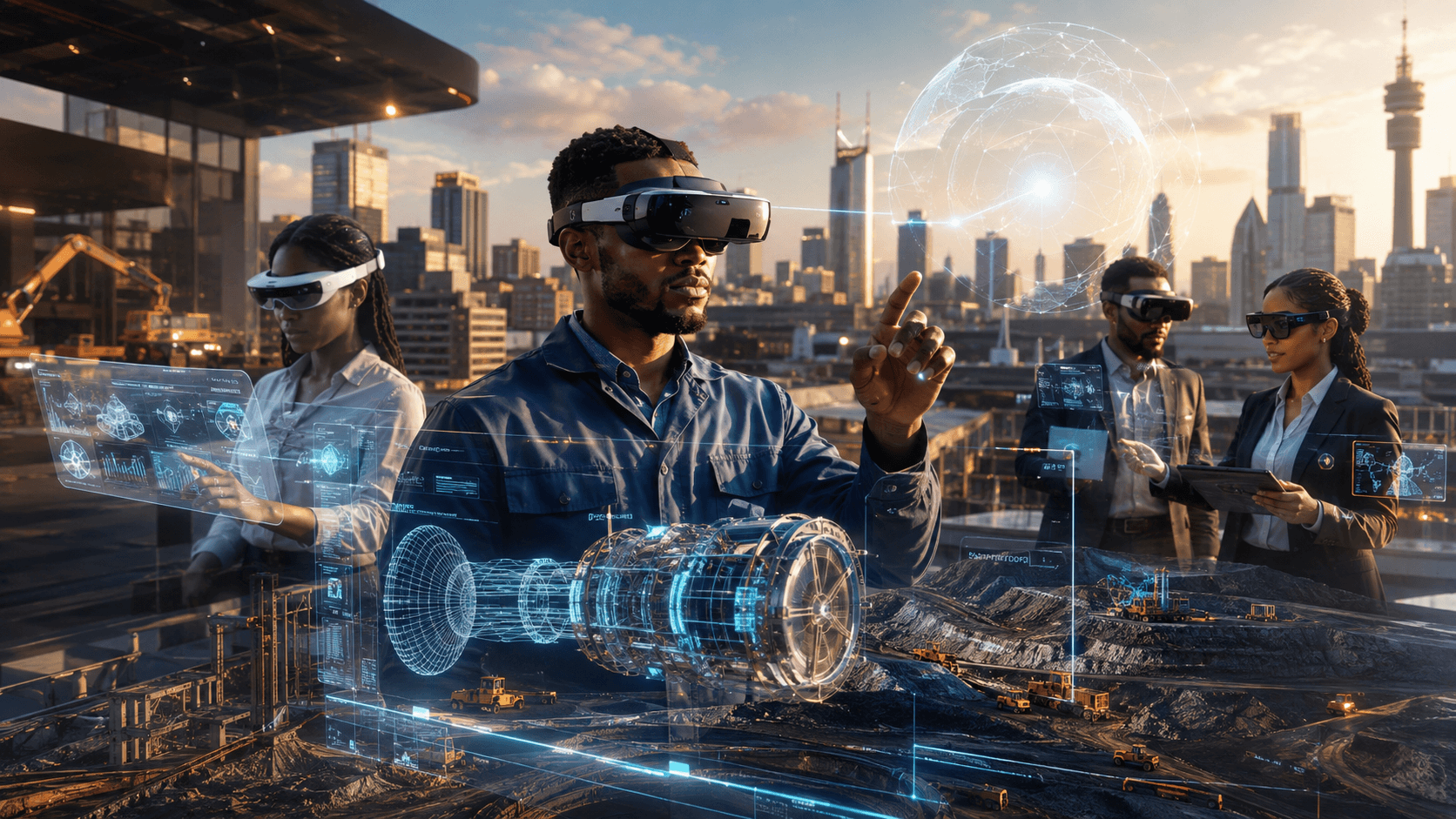

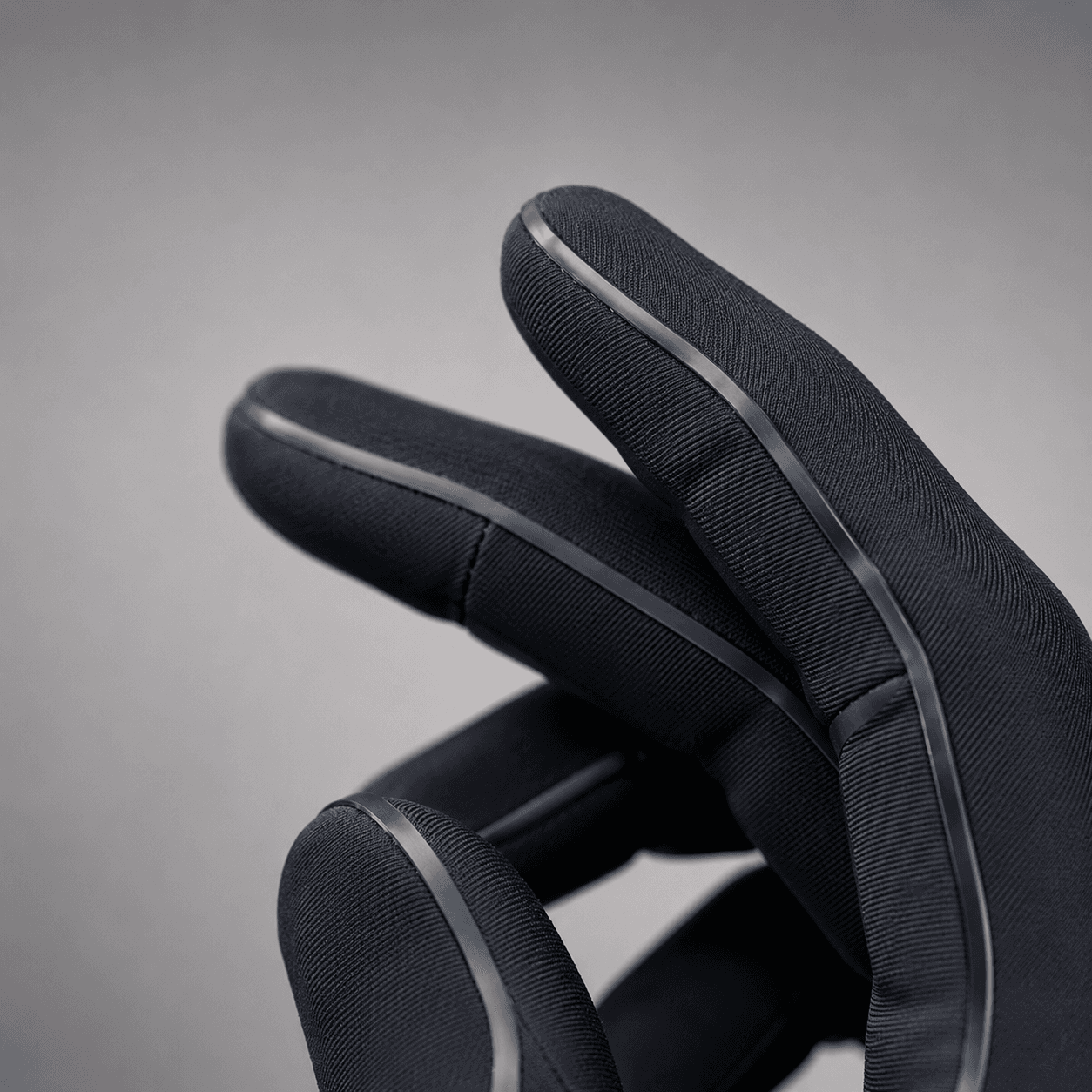
StretchSense unveiled its Reality XR Glove, a wearable device designed for precise hand tracking in immersive training environments, extending beyond camera-based hand tracking to capture finer-grained finger and hand movement data for training simulations requiring genuine manual dexterity.
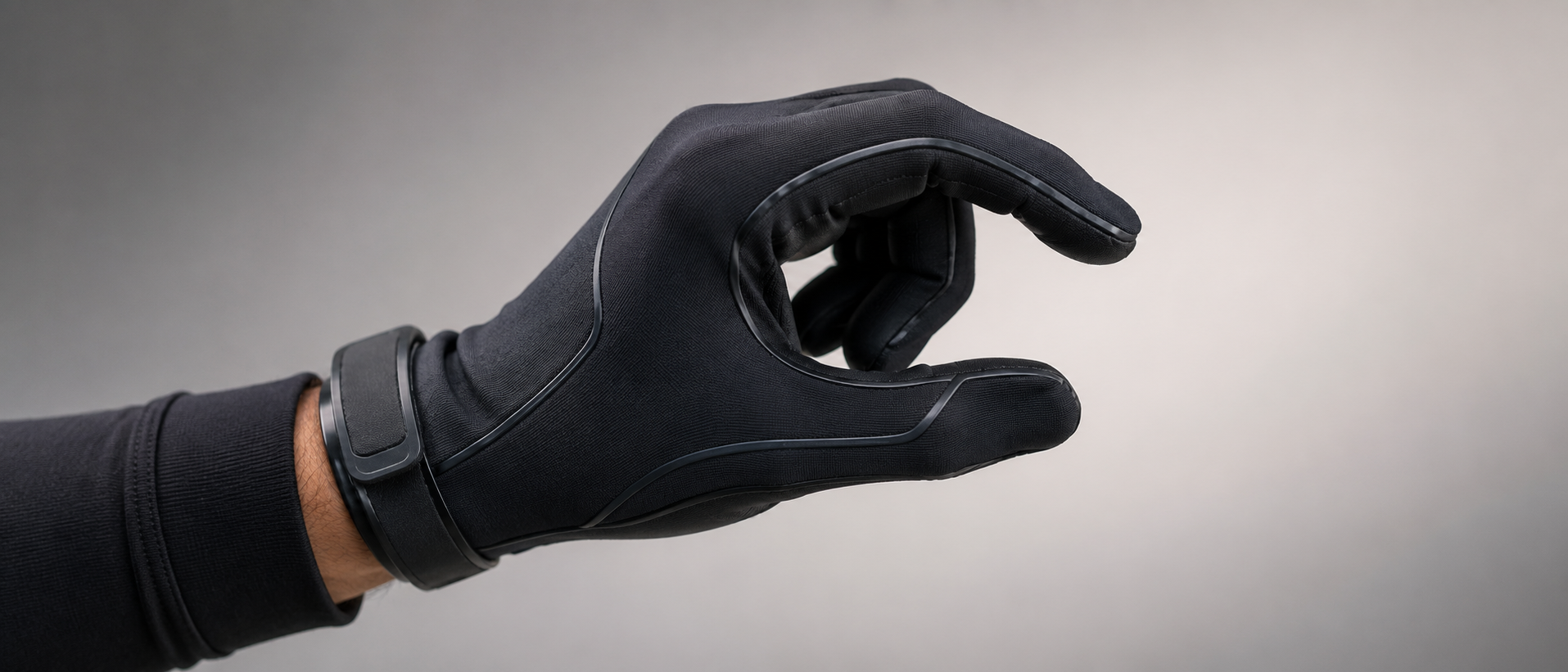
Camera-based hand tracking has made VR controllers optional for many experiences, but it still struggles with a specific and important category of task, anything requiring fine motor precision, subtle grip variations, or detailed finger positioning that a headset’s outward-facing cameras simply cannot capture with enough accuracy. StretchSense’s Reality XR Glove is built specifically to close that gap, and this blog explores what genuinely precise, wearable hand tracking unlocks for immersive training scenarios that camera-based systems have consistently struggled to support well. It opens by explaining the core limitation this glove addresses, that standard camera-based hand tracking works reasonably well for broad gestures and general hand position but loses accuracy quickly for tasks involving occluded fingers, subtle pressure changes, or precise grip technique, exactly the kind of detail that matters most in training scenarios teaching real manual skills. The piece walks through the specific training categories where this level of precision genuinely matters, including medical and surgical procedural training where exact instrument grip and finger positioning are core to what is being taught, technical assembly and repair training involving small components and precise manipulation, and any skill-based training where camera occlusion, one hand blocking the camera’s view of the other, would otherwise cause tracking to fail at exactly the wrong moment. It covers why wearable sensor-based tracking tends to outperform camera-based systems specifically for these use cases, since a glove captures finger and hand data directly from the source rather than inferring position from an external camera angle that can be blocked or distorted depending on hand orientation.
A section will address the practical tradeoff businesses should weigh when choosing between camera-based and wearable hand tracking for a training program, noting that camera-based tracking remains more convenient and lower-friction for general-purpose experiences, while wearable precision tracking earns its additional setup complexity specifically for training scenarios where hand and finger accuracy is central to the skill being taught rather than a secondary interaction method. The blog also touches on how this kind of precision data could feed into more sophisticated training assessment, since capturing exact finger and grip data gives instructors and AI-driven evaluation systems far more signal to assess whether a trainee is executing a technique correctly, not just whether they completed the motion in a general sense. Precision hand tracking, wearable haptic training devices, and fine motor skill simulation are the throughlines here, treating a specialized hardware category as a meaningful upgrade path for training programs that camera-based tracking alone cannot fully serve.