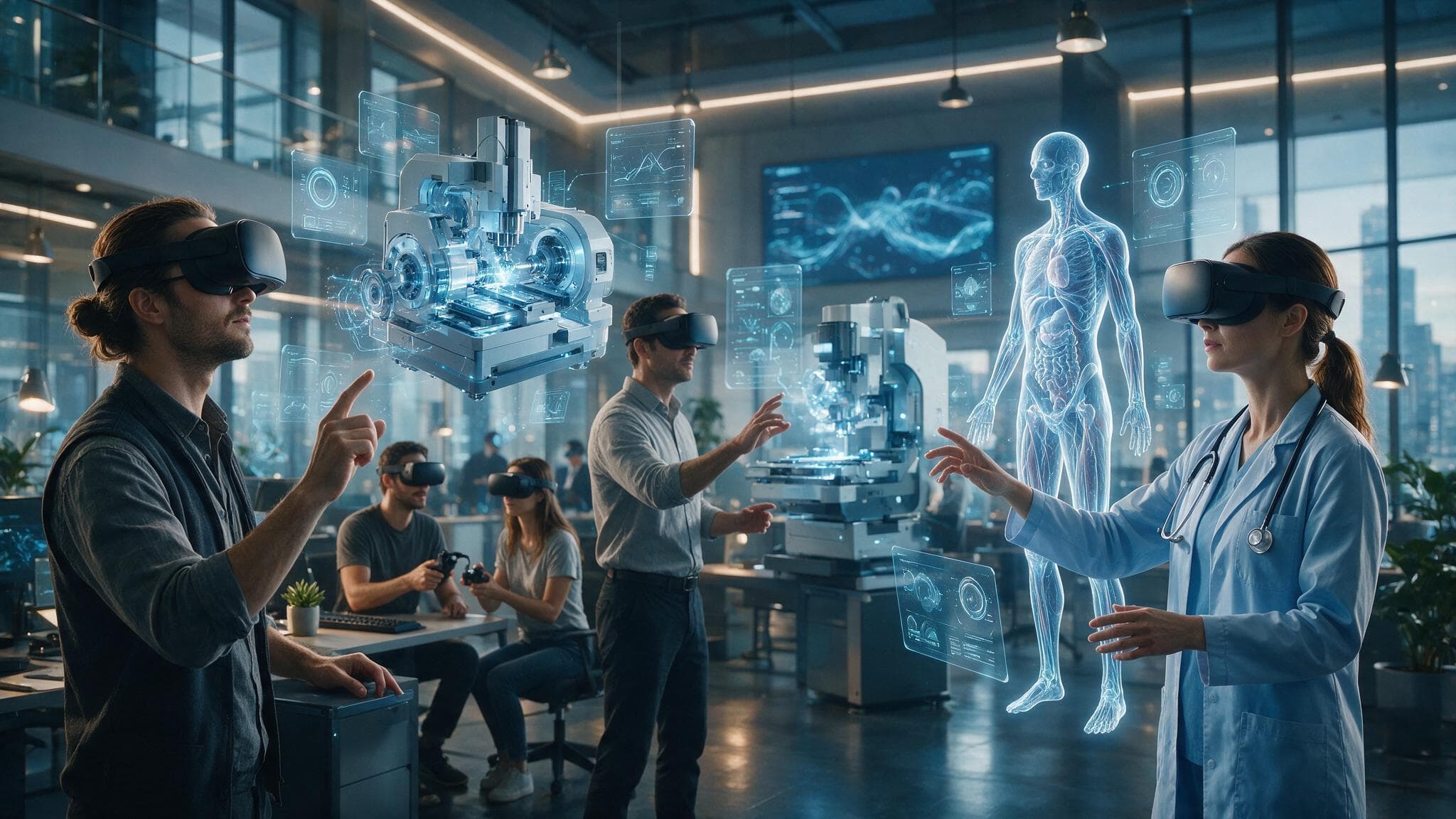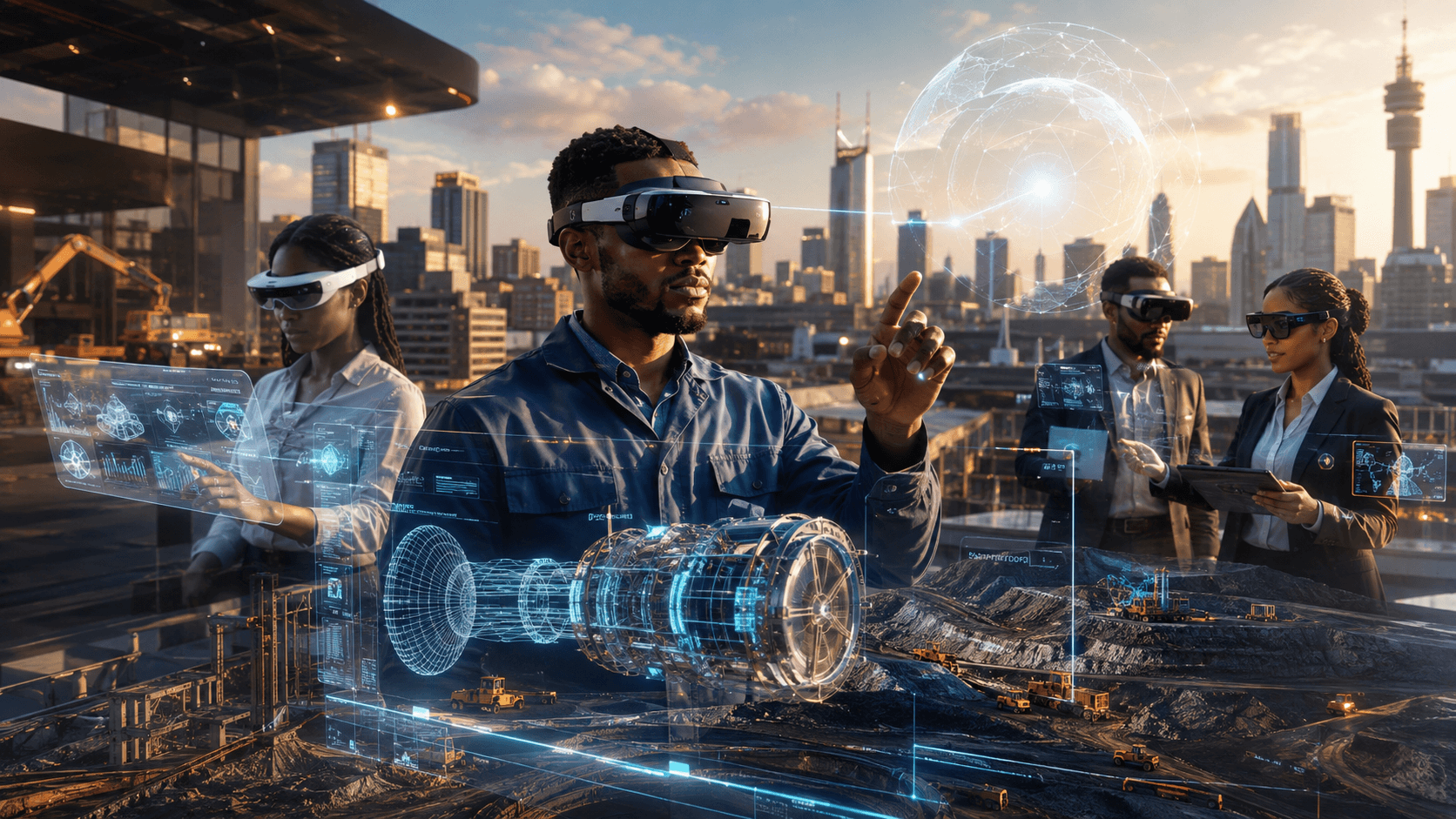

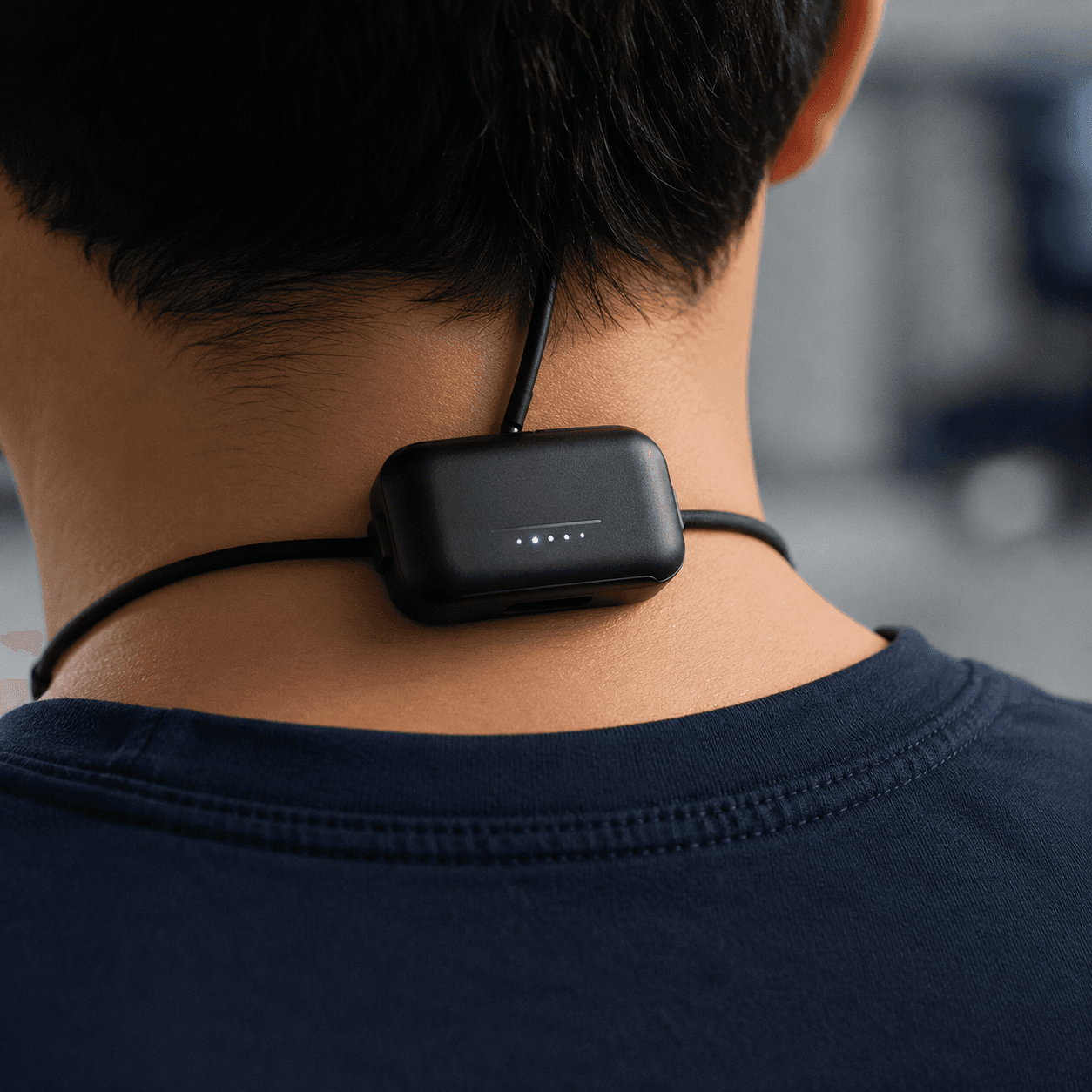
VMOCION has announced VFORCE, a wearable device that uses vestibular stimulation to add a physical sensation of motion to VR, gaming, and simulation experiences, targeting one of the most persistent gaps between virtual and physically felt experience.
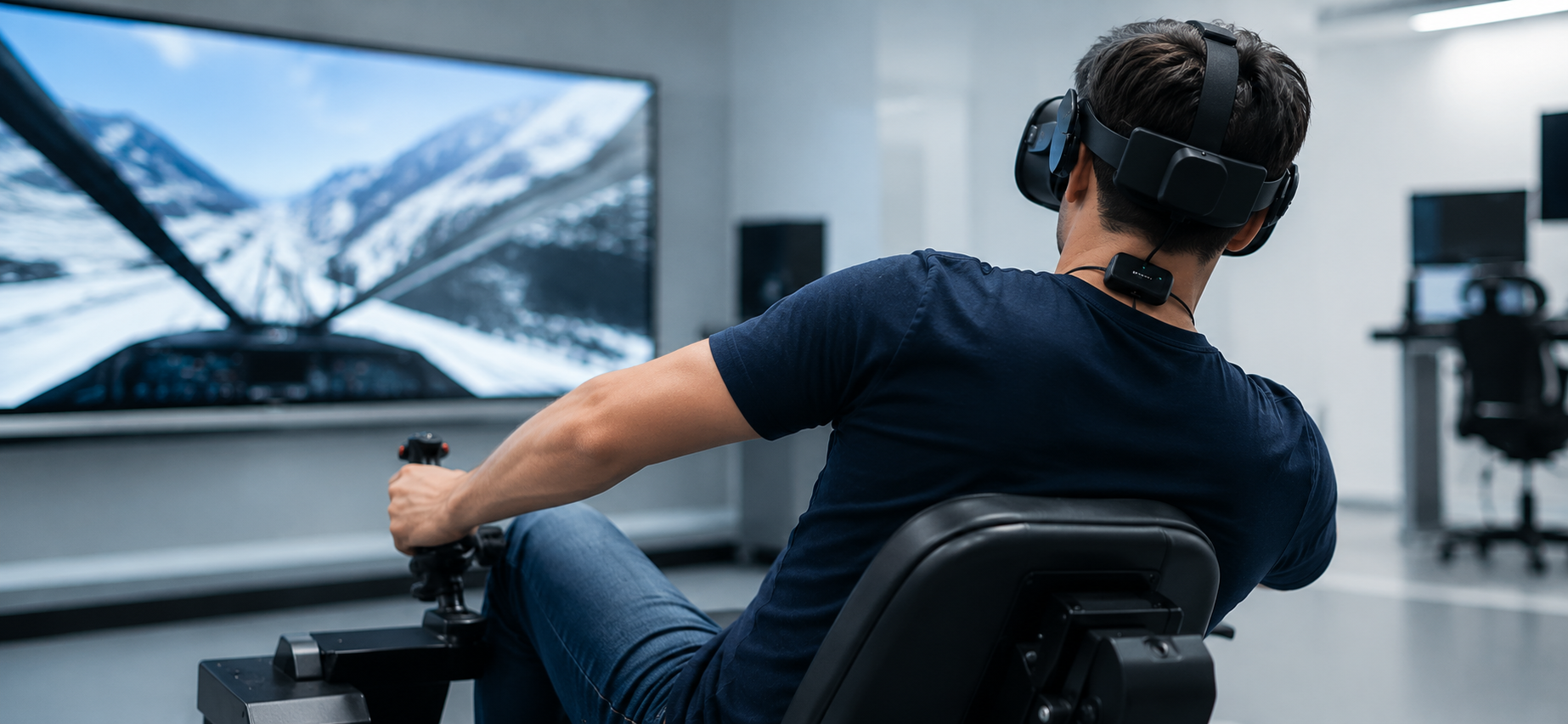
No matter how visually convincing a VR simulation becomes, one sense has remained stubbornly difficult to replicate, the physical feeling of actual movement, acceleration, or tilting, and VMOCION’s new VFORCE wearable is built specifically to close that gap using vestibular stimulation rather than relying on visual cues alone. This blog explores what adding a genuine physical sensation of motion could mean for training simulations specifically, beyond the more obvious gaming and entertainment applications this kind of technology often gets associated with first. It opens by explaining the underlying problem this addresses, that the mismatch between what a person sees in VR and what their inner ear physically feels is the primary cause of motion sickness and reduced immersion in vehicle, flight, and movement-based simulations, a limitation that has quietly constrained how realistic certain categories of training simulation can actually feel. The piece walks through what vestibular stimulation technology specifically does, using targeted physical signals to more closely align the body’s sense of balance and motion with what a user is seeing in a headset, rather than leaving the brain to process a jarring disconnect between visual movement and physical stillness. It covers the specific training categories where this technology could matter most, including vehicle and equipment operation training where the physical sensation of acceleration, braking, or tilting is genuinely part of what needs to be learned, and any simulation involving movement through challenging terrain or conditions where physical disorientation is a real factor operators need to train against.
A section will address the realistic near-term application of this kind of wearable technology, since vestibular stimulation devices remain an emerging hardware category, meaning the most likely early adopters are training programs with a very specific, well-defined need for physical motion realism rather than a broad, immediate replacement for standard VR training setups. The blog also touches on why reducing motion sickness matters as a secondary but genuinely significant benefit of this technology, since simulator sickness has long been one of the biggest barriers to extended VR training sessions, and any technology that meaningfully reduces that discomfort could allow for longer, more effective training sessions than current VR setups comfortably support. Vestibular VR technology, physical motion simulation, and next-generation training realism are the throughlines here, treating a wearable hardware announcement as a genuine signal of where immersive training fidelity is heading next.