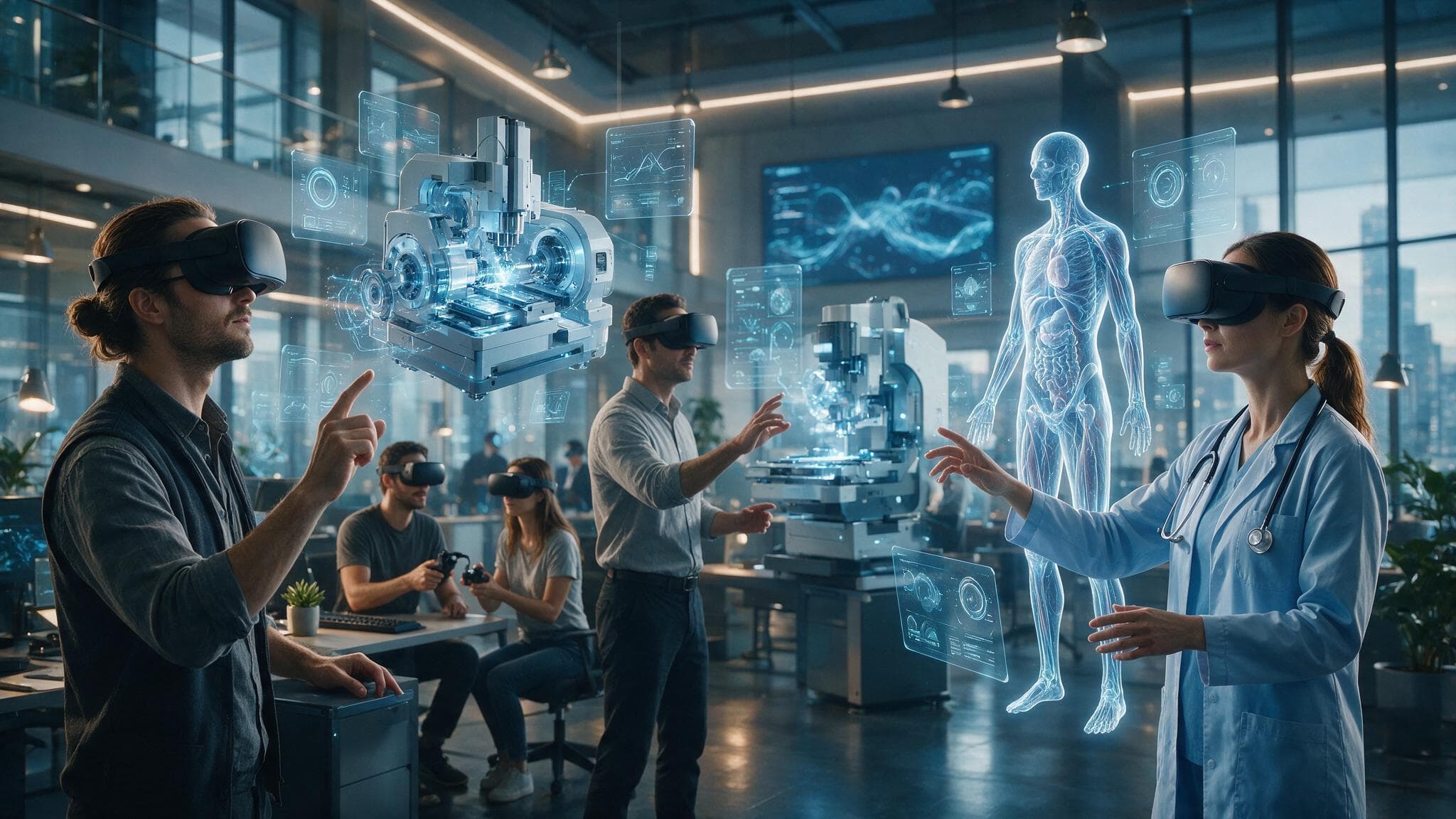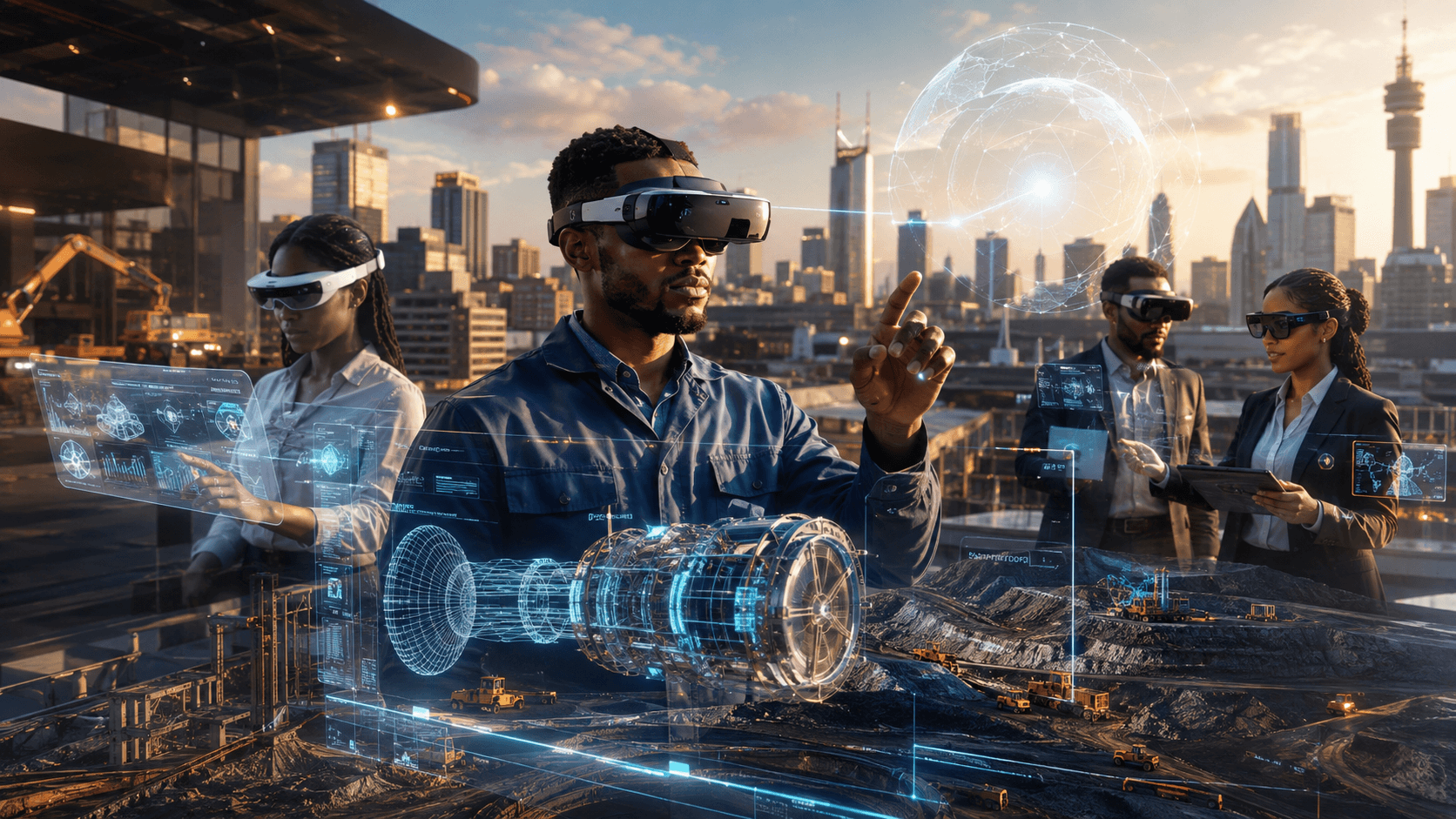


Thanks to increasingly capable AI coding models, community members have begun creating VR mods for major flatscreen games, including titles like Halo MCC and F.E.A.R., work that previously required specialized, professional-level VR development skills now achievable by people without that dedicated technical background.

A quiet but genuinely significant shift just happened in VR content creation, AI coding tools have become capable enough that community members without professional VR development backgrounds are successfully converting flatscreen games into working VR experiences, and this blog explores what that capability shift signals for immersive content production more broadly, well beyond its immediate gaming context. It opens by explaining what changed technically to make this possible, that increasingly powerful AI coding models can now handle much of the specialized technical work, camera conversion, control remapping, interaction adjustment, that previously required deep, specialized VR development expertise, effectively lowering the skill floor required to produce a working VR conversion of existing content. The piece walks through why this development matters as a signal for professional immersive content production generally, arguing that if AI coding assistance can meaningfully accelerate VR conversion work for community hobbyist projects, the same underlying capability is likely to increasingly assist professional studios with the more routine, technically repetitive portions of AR and VR development work, potentially freeing skilled developers to focus more time on the creative, brand-specific, and quality-critical aspects of a project rather than foundational technical implementation. It covers a genuinely important distinction the article draws between this kind of AI-assisted development and lower-quality “AI slop” content generation, noting that what’s happening here is better understood as AI-assisted technical porting and adaptation work, not AI generating original creative content from nothing, a meaningful distinction for businesses concerned about AI’s role in content quality.
A section will address the practical caution this development also raises, since code produced through AI-assisted, non-professional development introduces genuine questions about security, quality consistency, and reliability that a professional studio’s development process is specifically built to manage and a community-driven, AI-assisted project may not handle with the same rigor. The blog also touches on what this trend means for businesses thinking about their own immersive content production timelines and budgets, suggesting that AI-assisted development tools maturing at this pace across the wider VR development community is a genuine signal that professional AR and VR production timelines could meaningfully compress over the coming years, provided that acceleration is paired with the quality control and creative direction a professional studio brings that community-driven projects are not built to guarantee. AI-assisted VR development, immersive content production speed, and the future of AR/VR development tooling are the throughlines here, using a gaming community trend to explore a genuinely relevant signal for professional immersive content production.