

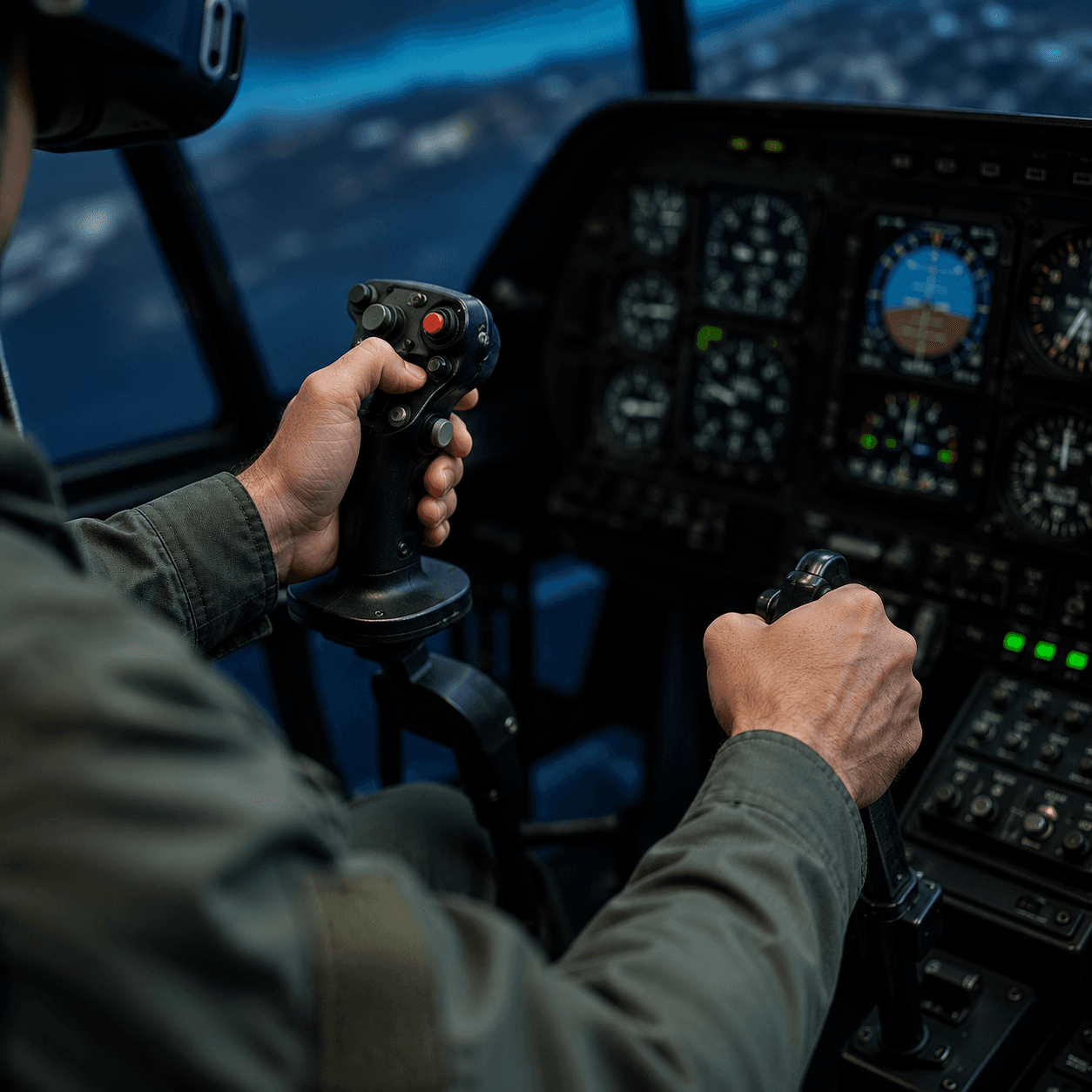
Loft Dynamics, EASA, and Airbus Helicopters have launched a VR-based flight training initiative in Nepal to improve pilot proficiency in high-altitude environments, addressing one of the most demanding and dangerous flying conditions in commercial aviation.
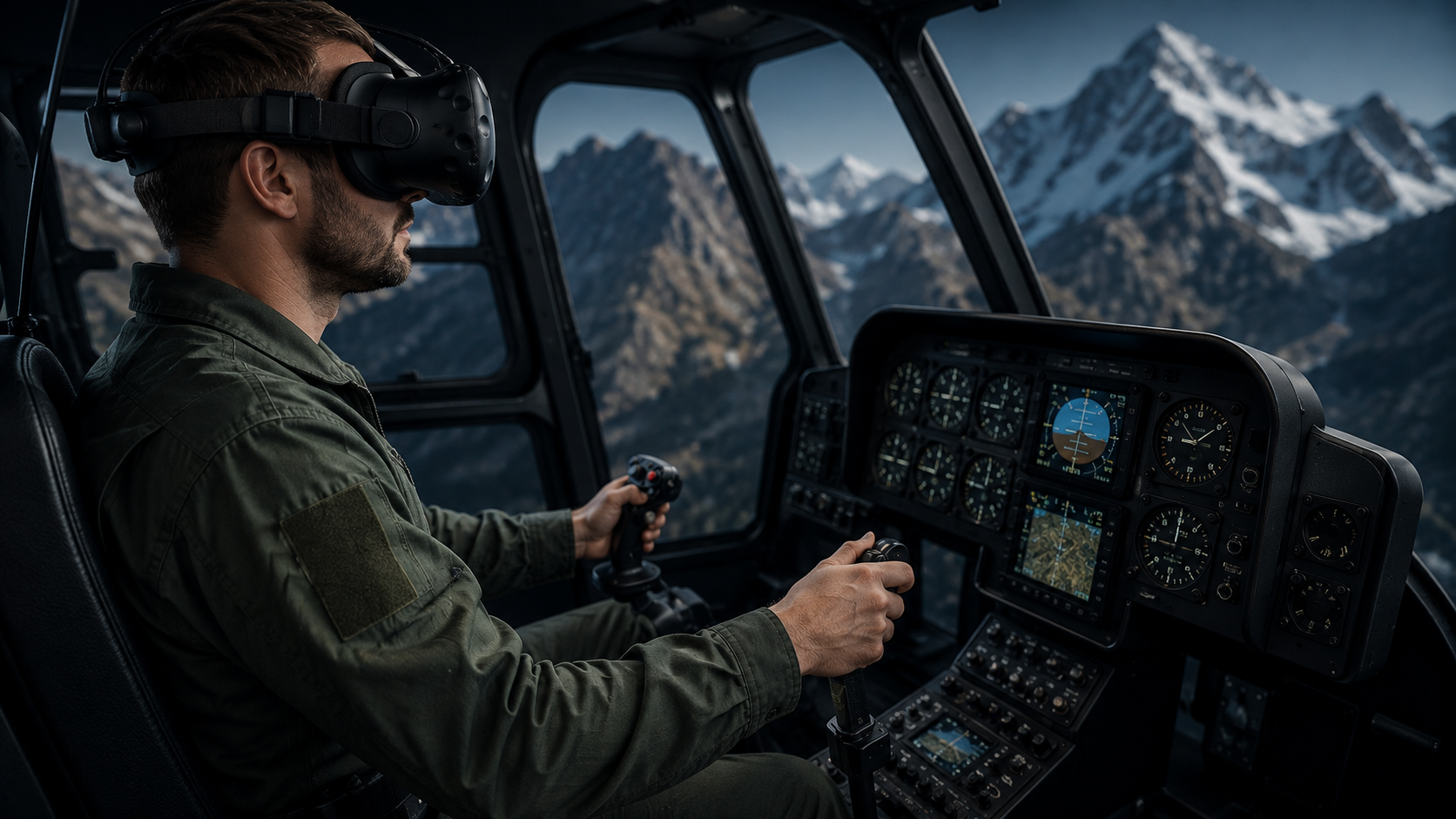
High-altitude flying is widely regarded as one of the most demanding conditions in commercial aviation, with thinner air affecting aircraft performance, unpredictable mountain weather, and razor-thin margins for error, and Nepal’s Himalayan terrain represents about as extreme a training environment as exists anywhere in the world. The new VR flight training initiative launched by Loft Dynamics, aviation regulator EASA, and Airbus Helicopters is built specifically to address that challenge, and this blog explores why simulation-based training is particularly well suited to a flying environment this genuinely difficult to safely practice in physically. It opens by explaining the core problem high-altitude flight training has always faced, that the exact conditions pilots most need to practice for, thin air, sudden weather shifts, complex mountain terrain, are also the conditions where a training mistake carries the highest possible real-world cost, creating a fundamental tension between realistic practice and acceptable risk that traditional in-aircraft training struggles to resolve safely. The piece covers what VR simulation specifically solves in this context, letting pilots rehearse high-altitude approach procedures, emergency response scenarios, and challenging terrain navigation repeatedly under a full range of simulated conditions without ever placing an aircraft or crew at genuine risk during the learning process. It explains why the involvement of EASA, a major aviation safety regulator, alongside a hardware and simulation specialist and an established helicopter manufacturer, signals a level of institutional confidence in VR flight training that goes well beyond an isolated pilot program, suggesting regulatory bodies increasingly view immersive simulation as a credible, safety-enhancing component of pilot certification rather than merely a supplementary tool.
A section will address what makes this initiative a useful model for other extreme-condition aviation training scenarios, covering how the same underlying approach, high-fidelity VR simulation of genuinely dangerous real-world conditions, applies equally well to other demanding flying environments like offshore operations, extreme weather regions, and confined urban airspace. The blog also touches on the broader pattern this fits into across high-stakes training more generally, reinforcing a theme showing up consistently across aviation, healthcare, and industrial safety training, that VR’s core value proposition is letting people rehearse the exact scenarios too dangerous, rare, or costly to practice repeatedly in the real world. High-altitude flight simulation, VR pilot training, and aviation safety technology are the throughlines here, treating a regional training initiative as a genuinely instructive example of VR training applied to one of aviation’s hardest problems.