

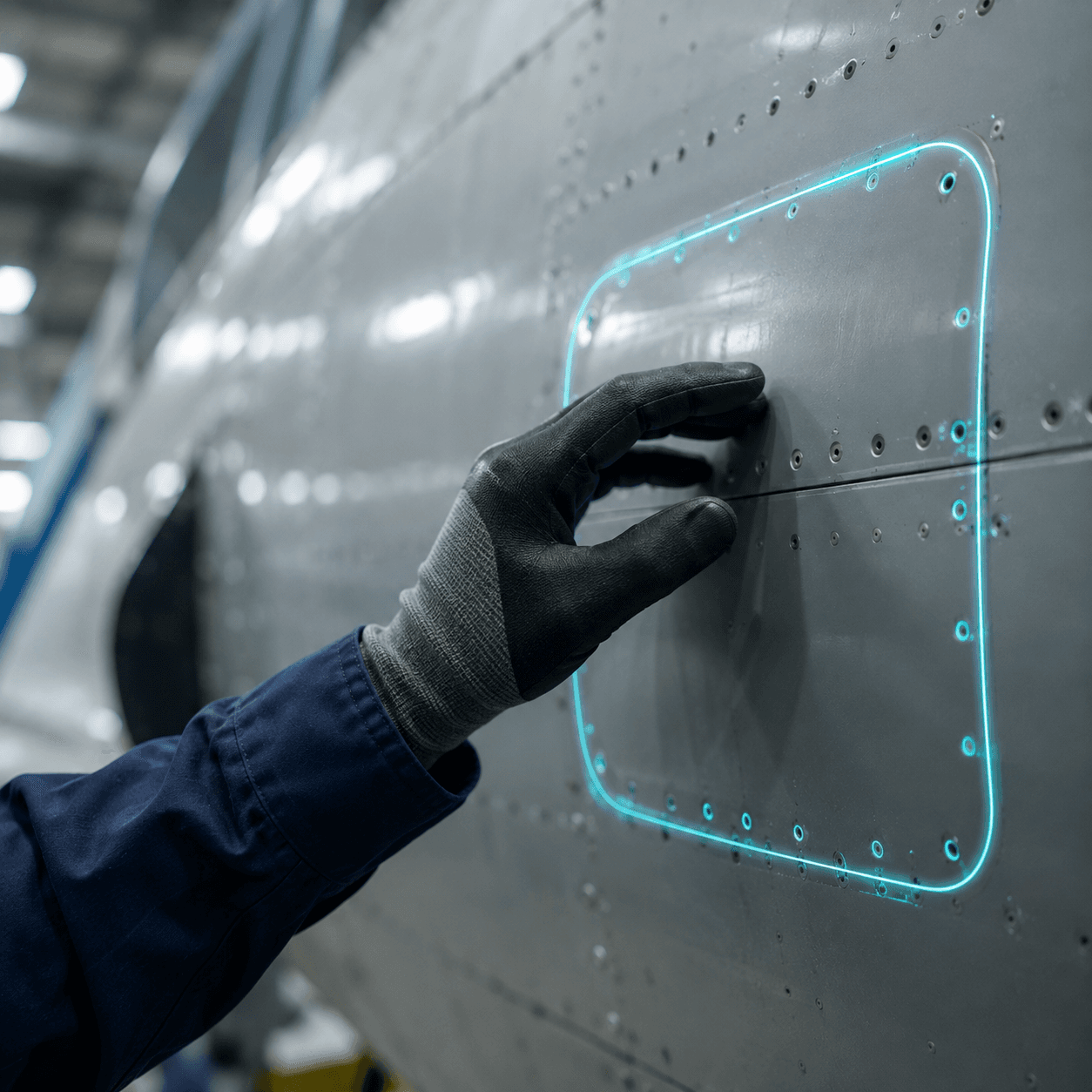
Airbus deploys Microsoft HoloLens 2 for complex airframe assemblies, part of a broader pattern where AR-guided assembly is proving especially valuable for high-complexity, low-error-tolerance manufacturing tasks where the cost and consequence of a mistake are severe enough to justify serious technology investment.
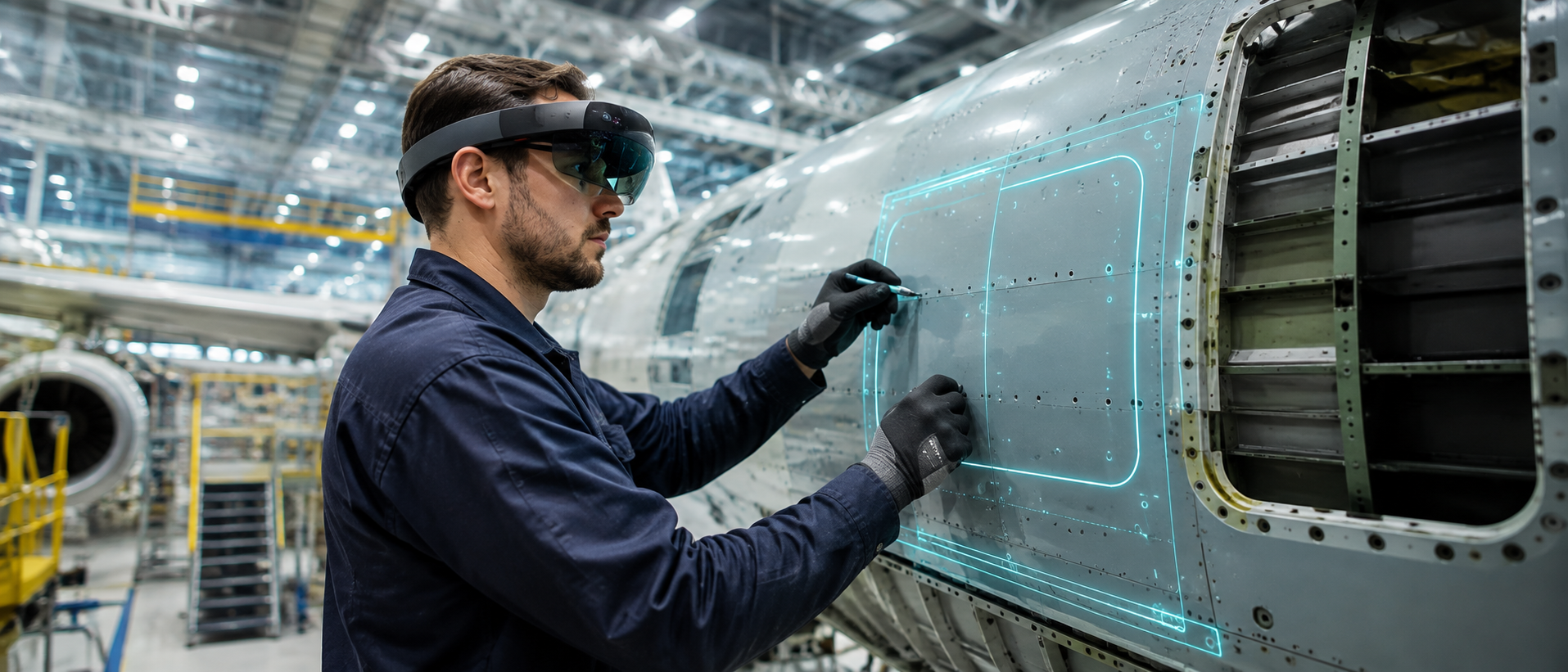
Not every manufacturing task benefits equally from AR guidance, but airframe assembly, one of the most complex, high-stakes, and error-intolerant manufacturing processes in existence, represents exactly the kind of task where the technology’s value becomes undeniable, and Airbus’s deployment of HoloLens 2 for this specific application offers a genuinely clear window into where AR delivers its strongest return. This blog uses that deployment to explore what makes airframe assembly such a natural fit for AR guidance, and what that fit reveals about how other manufacturers should think about identifying their own best AR use cases. It opens by explaining what makes airframe assembly so uniquely demanding, involving thousands of precise, sequential steps across a genuinely massive, complex structure, where a single missed or incorrectly executed step can carry consequences ranging from expensive rework to genuine safety risk once the aircraft is in service, a combination of complexity and consequence that few other manufacturing processes match. The piece walks through why AR guidance specifically addresses this challenge better than traditional paper manuals or digital tablets, since overlaying step-by-step instructions directly onto the physical airframe structure itself, precisely where each action needs to happen, removes the cognitive translation gap between reading an instruction on a separate document and correctly locating and executing that instruction on a genuinely complex physical structure. It covers why this use case represents AR’s strongest sweet spot more broadly, high complexity combined with high consequence for error, a combination that justifies the investment and integration work AR deployment requires far more clearly than simpler, lower-stakes tasks where the return on that same investment would be considerably less dramatic.
A section will address the practical lesson this holds for other manufacturers evaluating where to deploy AR first, arguing that identifying the specific tasks in your own operation that share airframe assembly’s core characteristics, genuine complexity and genuine consequence for error, is a more reliable way to find a strong first AR use case than starting with whatever task happens to be easiest to pilot. The blog also touches on why Airbus choosing HoloLens 2 specifically for this application matters as a signal, since a major aerospace manufacturer committing a mixed-reality headset to safety-critical production work reflects genuine confidence in the platform’s reliability for high-stakes industrial use, not just experimental or demonstration purposes. Aerospace AR assembly guidance, high-complexity manufacturing use cases, and AR deployment prioritization are the throughlines here, using a specific, verified aerospace deployment to give manufacturers a genuinely useful framework for identifying where AR investment pays off fastest.