

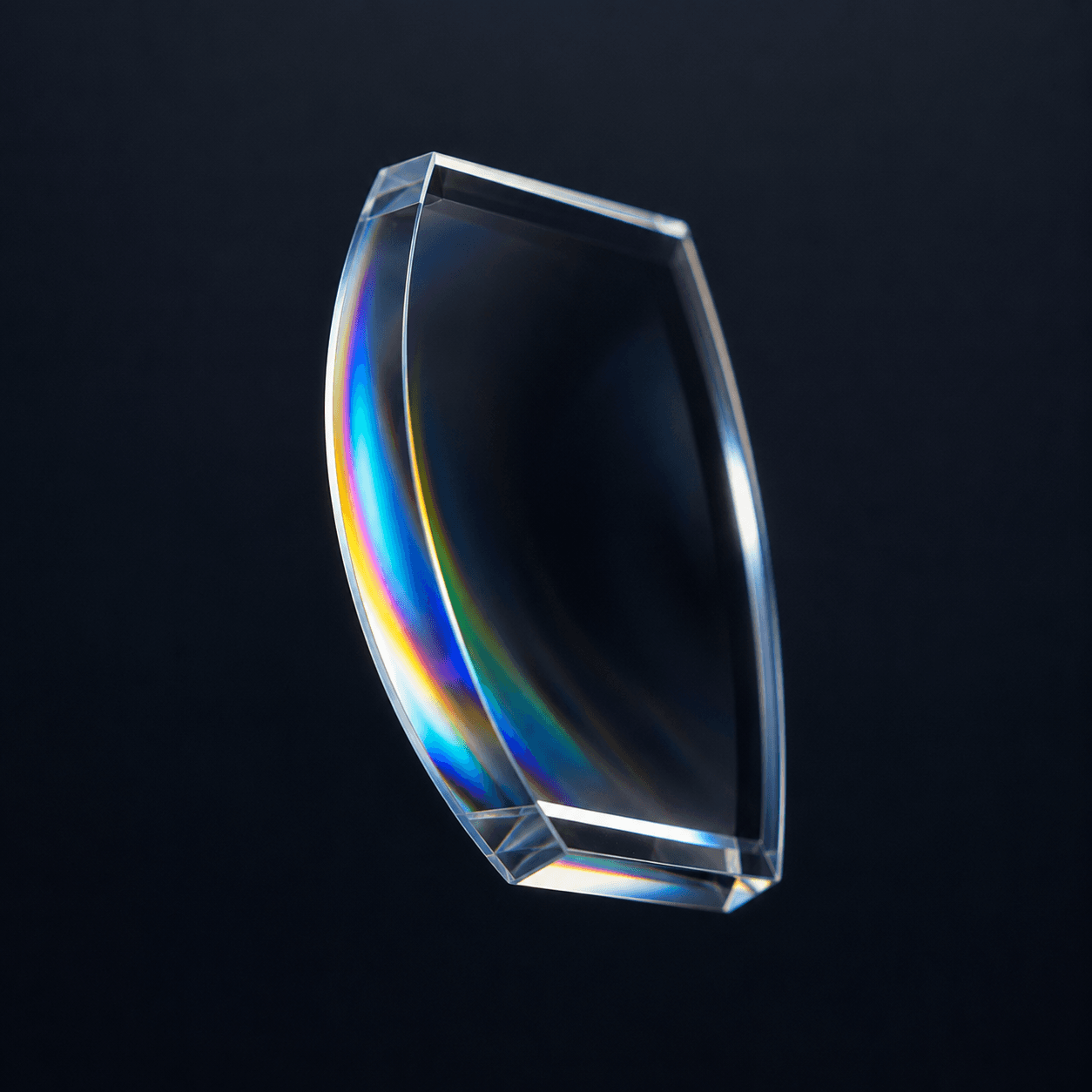
LetinAR secured $18.5 million in funding to support its smart glasses scale-up, capital directed specifically at optical waveguide technology, one of the most technically difficult and expensive components in any AR glasses design.

Most smart glasses funding headlines focus on the finished devices, the Metas, Samsungs, and XREALs of the industry, but a quieter and arguably more important investment story is happening one layer down, in the optical components that actually determine whether AR glasses can be both genuinely functional and comfortable to wear. LetinAR’s new $18.5 million funding round, directed at scaling its optical waveguide technology, is a useful window into why the optics layer specifically remains one of the biggest bottlenecks holding back better AR glasses across every brand building on top of it. This blog opens by explaining what optical waveguide technology actually does in plain terms, serving as the component responsible for taking light from a tiny display and guiding it precisely into a wearer’s eye in a way that produces a clear, bright image without requiring bulky, heavy lens assemblies, a problem that has proven far harder to solve elegantly than most other parts of AR glasses design. It walks through why this specific component matters so disproportionately to the overall AR glasses experience, since even a device with excellent processing power, sensors, and software can still feel disappointing to actually wear if the optical system produces a dim, narrow, or visually strained image, meaning waveguide quality often determines user satisfaction more than almost any other single component. The piece covers why component-level investment like this tends to benefit the entire AR glasses industry rather than a single brand, since specialized optics suppliers typically sell their technology to multiple device manufacturers, meaning meaningful advances in waveguide performance funded by rounds like this one tend to propagate across several competing glasses brands over time rather than staying locked to one company’s proprietary hardware.
A section will address what this signals for the pace of AR glasses improvement businesses should realistically expect, arguing that because optics remains a genuine hardware bottleneck rather than a software problem, meaningful jumps in display quality, field of view, and comfort tend to arrive in steps tied to component-level breakthroughs like this one, rather than through software updates alone. The blog also touches on why this matters specifically for enterprise buyers evaluating AR glasses for field work or training applications, since display clarity and field of view directly affect how usable AR overlays actually are for detailed technical tasks, making optical component quality a genuinely practical purchasing consideration rather than an abstract technical detail. Smart glasses optics technology, AR waveguide displays, and component-level XR investment are the throughlines here, using a funding round to explain the less visible engineering layer that ultimately shapes how good any AR glasses experience can be.