
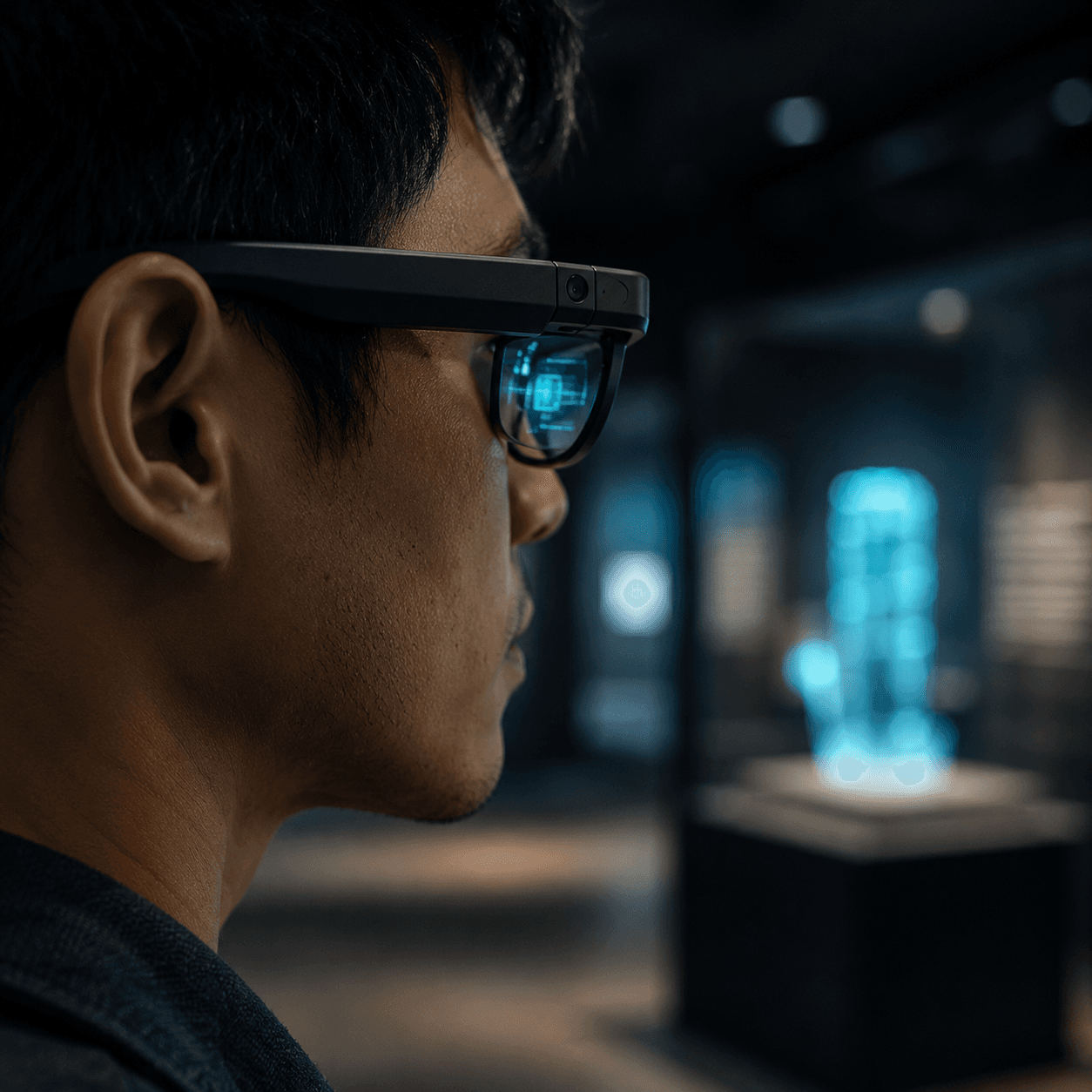
KDDI, STYLY, and XREAL have launched “DEN-NOH Vision,” an AR-enhanced experience at the “Ghost in the Shell” exhibition in Tokyo, utilizing XREAL Air 2 Ultra glasses to layer immersive digital content onto the physical exhibition space.
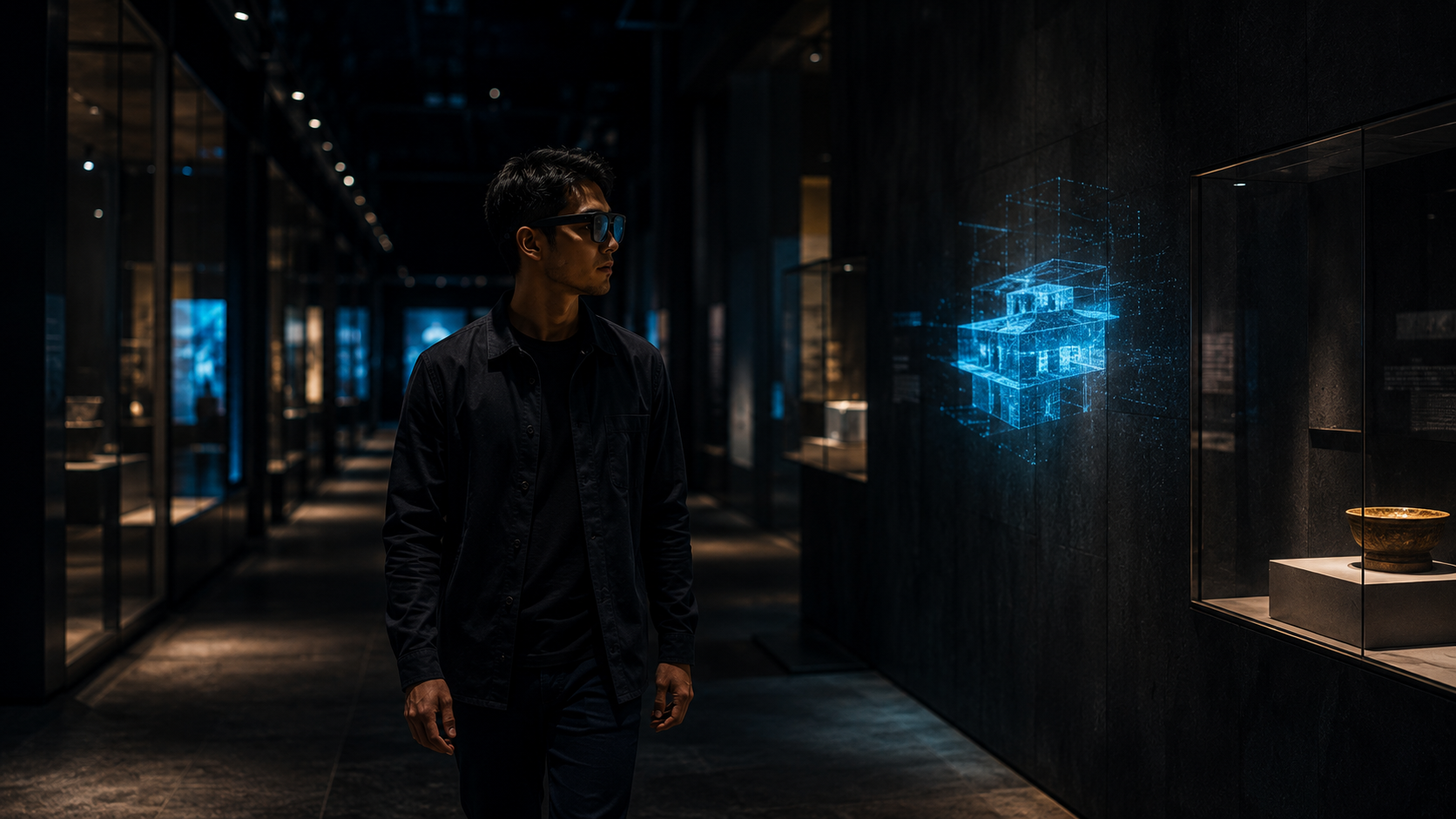
Museum and exhibition AR experiences often get treated as a novelty add-on, but the “DEN-NOH Vision” collaboration between KDDI, STYLY, and XREAL turns an entire physical exhibition space into an AR-enhanced world using consumer-grade smart glasses, and this blog explores what that combination of established telecom, spatial platform, and hardware partners signals for the future of cultural and brand activation experiences. It opens by explaining why this particular partnership structure matters, since bringing together a major telecom carrier, a dedicated spatial content platform, and a hardware manufacturer reflects the level of coordinated infrastructure genuinely required to deliver a smooth, reliable AR experience at exhibition scale, rather than a single vendor attempting to handle content, connectivity, and hardware alone. The piece walks through what using consumer AR glasses specifically, rather than phone-based AR or dedicated exhibition hardware, means for the visitor experience, allowing attendees to move through the physical exhibition space hands-free while digital content layers naturally into their field of view, a meaningfully more immersive format than holding up a phone to view AR content through a screen. It covers why choosing a globally recognized franchise like Ghost in the Shell for this kind of activation matters strategically, since pairing new AR technology with beloved, established intellectual property gives visitors an immediate, familiar reason to engage with unfamiliar hardware, lowering the barrier to trying smart glasses for people who might otherwise hesitate.
A section will address what this kind of activation reveals about the broader opportunity for brand and cultural AR experiences, arguing that exhibitions, museums, and branded pop-up experiences represent an ideal proving ground for consumer AR glasses adoption, since attendees are already primed for a novel, immersive experience and typically willing to try new hardware in that specific context even if they would not purchase it independently. The blog also touches on the measurement opportunity this kind of activation creates for brands and cultural institutions, since exhibition-based AR experiences generate genuinely useful data on visitor engagement, dwell time, and interaction patterns that can inform both future activations and broader AR content strategy. AR exhibition experiences, smart glasses brand activation, and cultural IP immersive technology are the throughlines here, treating a Tokyo exhibition launch as a meaningful case study in how brands and cultural institutions are pairing hardware, platform, and content partners to deliver genuinely immersive physical-digital experiences.