

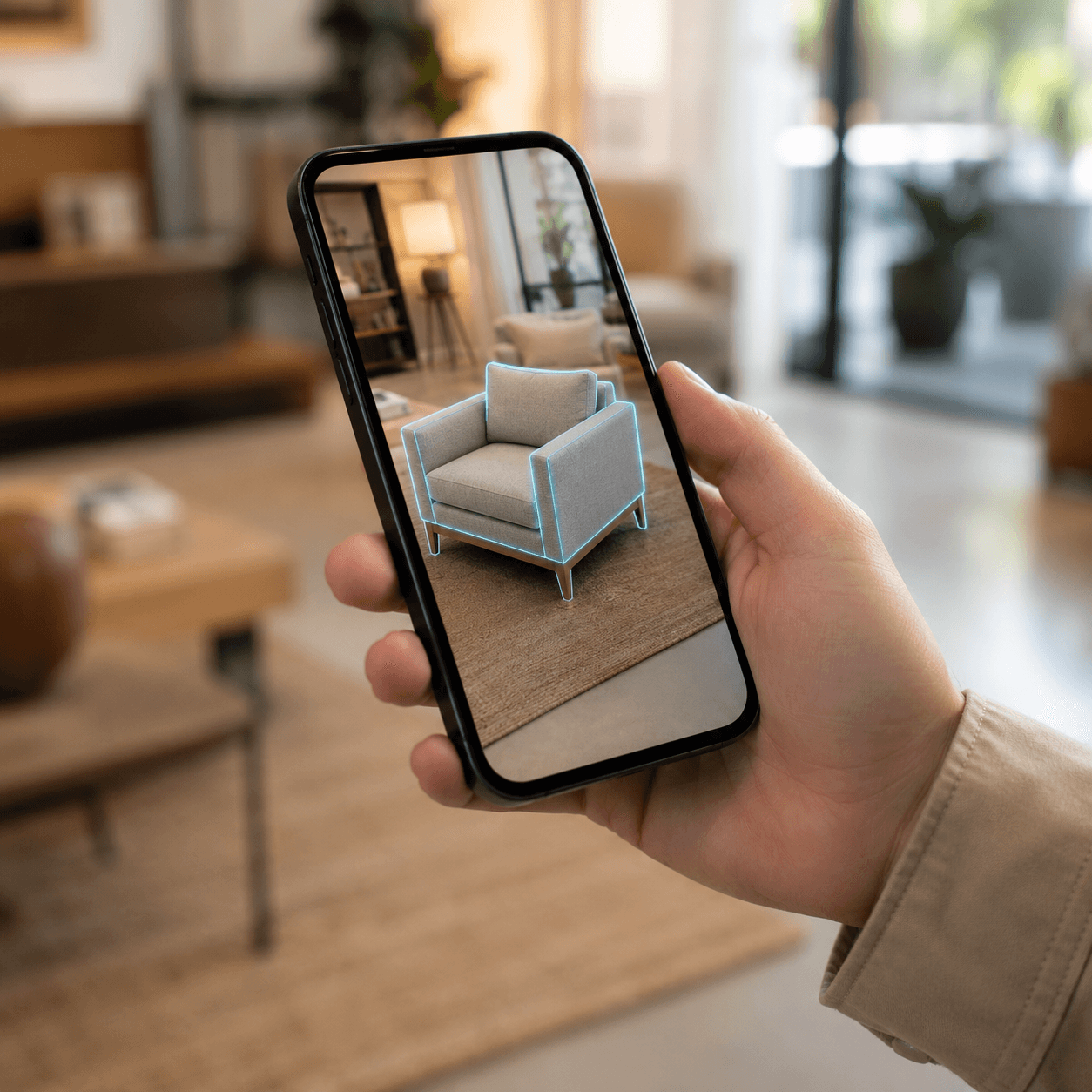
While social video ads struggle to hold attention for 6 seconds, AR-powered campaigns consistently see users engaging for 2 to 4 minutes, according to Blippar data drawn from over 30,000 AR campaigns reaching more than 2 billion unique users. A separate Snap and Kantar report found that 92 percent of consumers surveyed believe AR will transform how people shop, learn, and interact online.

Here is a number worth sitting with, the average social video ad holds attention for about 6 seconds before a viewer scrolls past, while AR-powered brand campaigns are consistently holding attention for 2 to 4 minutes, a gap so large it changes the entire calculus of what a marketing dollar can achieve. This blog uses that dwell time data, drawn from tens of thousands of real AR campaigns, to explain why brands are increasingly shifting budget toward interactive, immersive formats rather than continuing to compete for shrinking slivers of attention inside a crowded feed. It walks through why this attention gap exists in the first place, explaining that AR fundamentally changes a viewer’s role from passive observer to active participant, and that neuro-marketing research shows people retain significantly more from experiences they actively did something in compared to content they simply watched. The piece covers the specific high-consideration categories where this effect matters most, including furniture, automotive, and luxury goods, where AR’s ability to show a product at true scale inside a customer’s own space eliminates the anxiety and hesitation that often stalls a purchase decision. It also references the Snap and Kantar finding that 92 percent of consumers now believe AR will fundamentally change how people shop, learn, and interact online, using that figure to argue that consumer expectation has already shifted well ahead of many brands’ actual campaign strategies.
A section will break down the practical KPI shift this data demands, moving marketing teams away from traditional impressions and click-through metrics toward dwell time, session launches, and depth of interaction, since these are the metrics that actually correlate with the stronger brand recall AR campaigns are shown to produce. The blog covers both major technical approaches available to brands today, browser-based WebAR for wide-reach, low-friction campaigns launched via a simple link or QR code, and app-based AR for deeper, persistent brand experiences designed for repeat engagement over time. It closes by connecting this data directly to environmental and cost considerations increasingly on marketers’ minds, noting that AR-powered digital sampling, letting customers virtually try or test a product, measurably reduces the need for costly physical samples and high-carbon return logistics. AR advertising engagement, immersive brand campaigns, and AR dwell time metrics are the throughlines here, replacing the usual case-study anecdotes with hard, repeatable performance data.