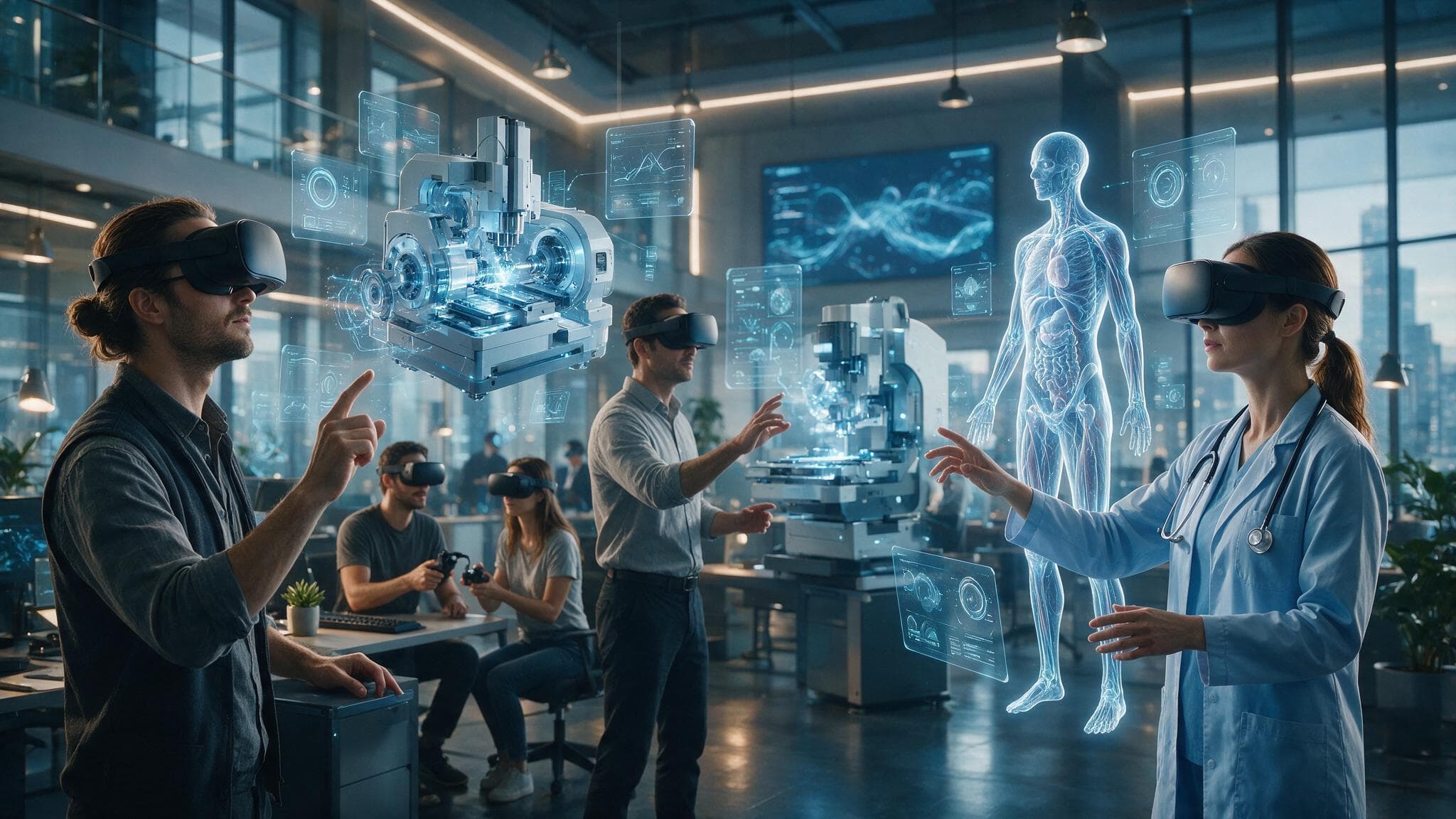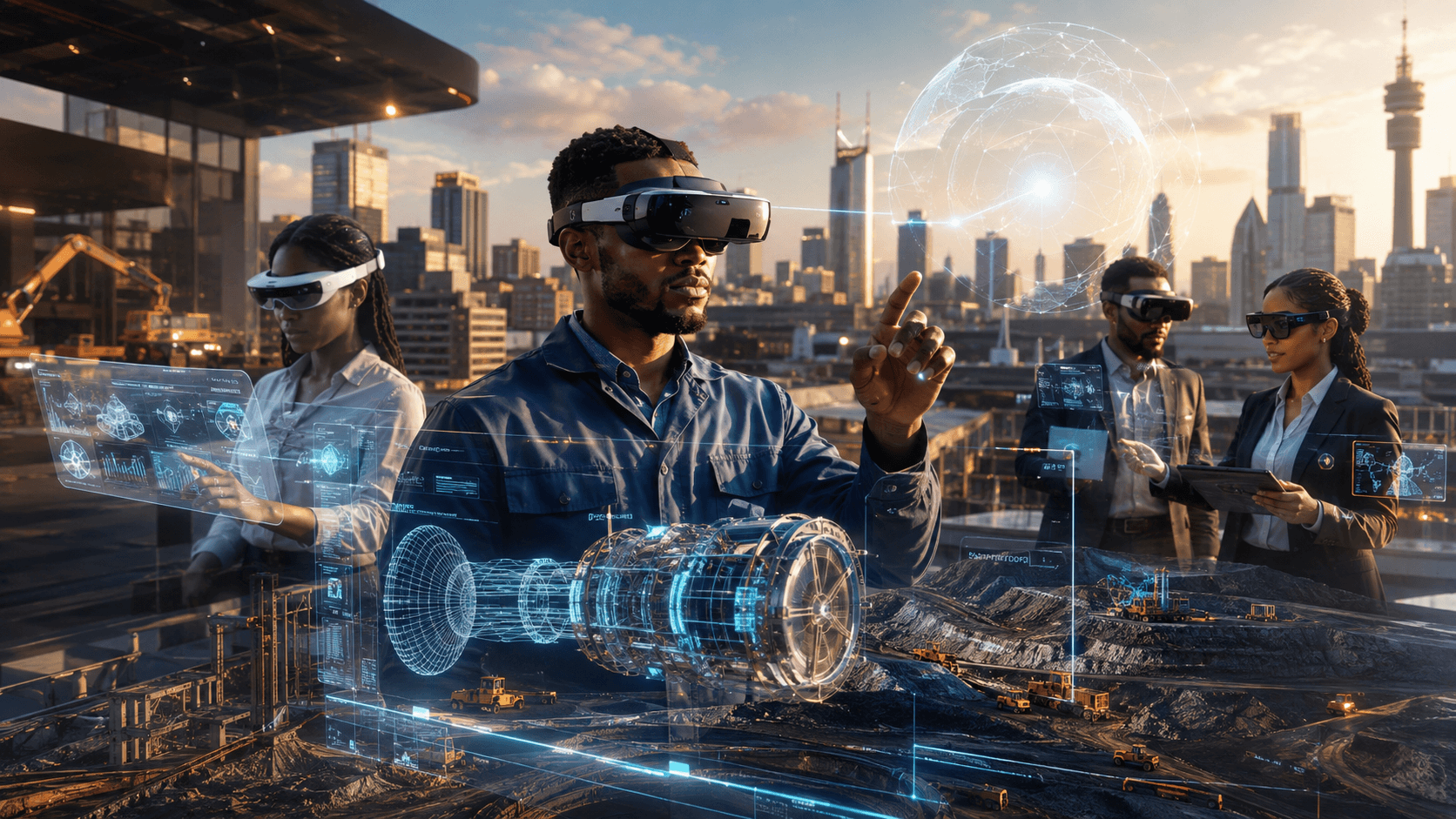

The AR and VR in education market is growing at an 18.2% compound annual growth rate, driven substantially by a growing need for interactive virtual field trips, alongside rising corporate training adoption using connected systems like head-mounted displays and gesture recognition, with research showing AR increases students’ visualization ability while decreasing the education expenses schools incur.
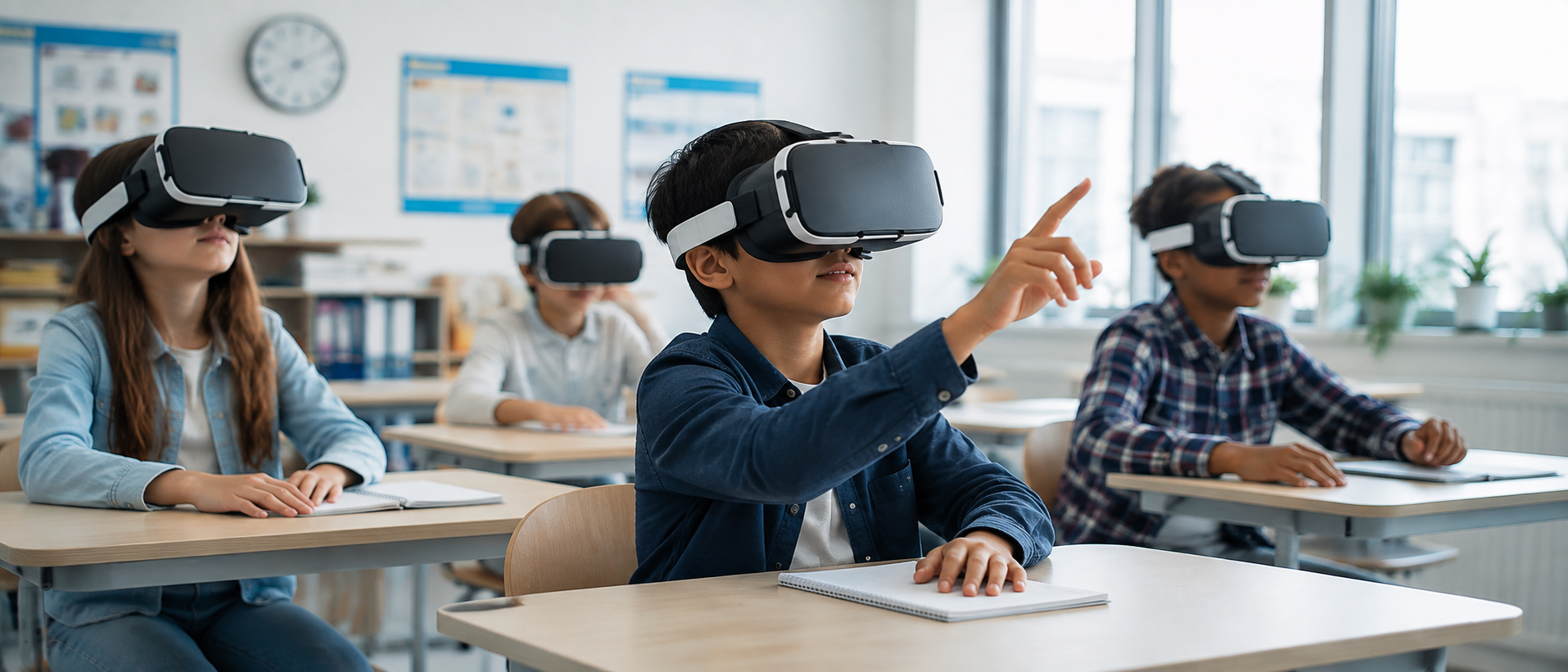
An 18.2% compound annual growth rate is a genuinely strong sustained growth rate for any technology category, and understanding what’s actually driving that number, rather than treating it as an abstract market statistic, reveals a specific, practical use case that most schools and EduTech providers should be paying close attention to right now. This blog breaks down the virtual field trip driver specifically, since it’s identified as a primary growth engine behind this market expansion, and explores why that particular application has proven so durable and scalable compared to other AR and VR education use cases. It opens by explaining the core problem virtual field trips solve, that traditional physical field trips are expensive, logistically complicated, and inherently limited to locations within reasonable travel distance, meaning most students only ever experience a small handful of curated real-world educational excursions across their entire school career regardless of how much genuine educational value additional field trips would provide. The piece walks through why AR and VR specifically remove those constraints, letting students virtually visit locations that would be impossible to reach physically at all, historical sites, other countries, deep ocean environments, or even other planets, while eliminating the transportation costs, liability concerns, and scheduling complexity that limit how often schools can offer physical trips. It covers the specific research finding that AR increases students’ visualization ability while simultaneously decreasing the education expenses schools incur, a genuinely rare combination where a technology investment improves educational outcomes and reduces certain costs at the same time, rather than the more typical tradeoff between spending more and getting better results.
A section will address why this growth extends beyond K-12 education into corporate training specifically, noting the parallel adoption of connected systems like head-mounted displays and gesture recognition in workplace learning, suggesting the underlying value proposition, experiential learning that would otherwise be impossible, expensive, or dangerous to deliver physically, applies just as strongly to adult professional training as it does to student field trips. The blog also touches on what sustained 18.2% annual growth signals for EduTech vendors and school districts evaluating investment timing, arguing that a market growing this consistently represents genuine, proven demand rather than speculative hype, making this a reasonable moment to move from pilot programs to broader deployment for institutions that have been waiting for more market validation. AR and VR in education, virtual field trip technology, and EduTech market growth are the throughlines here, breaking down a market growth statistic into the specific, practical use case actually driving it.