

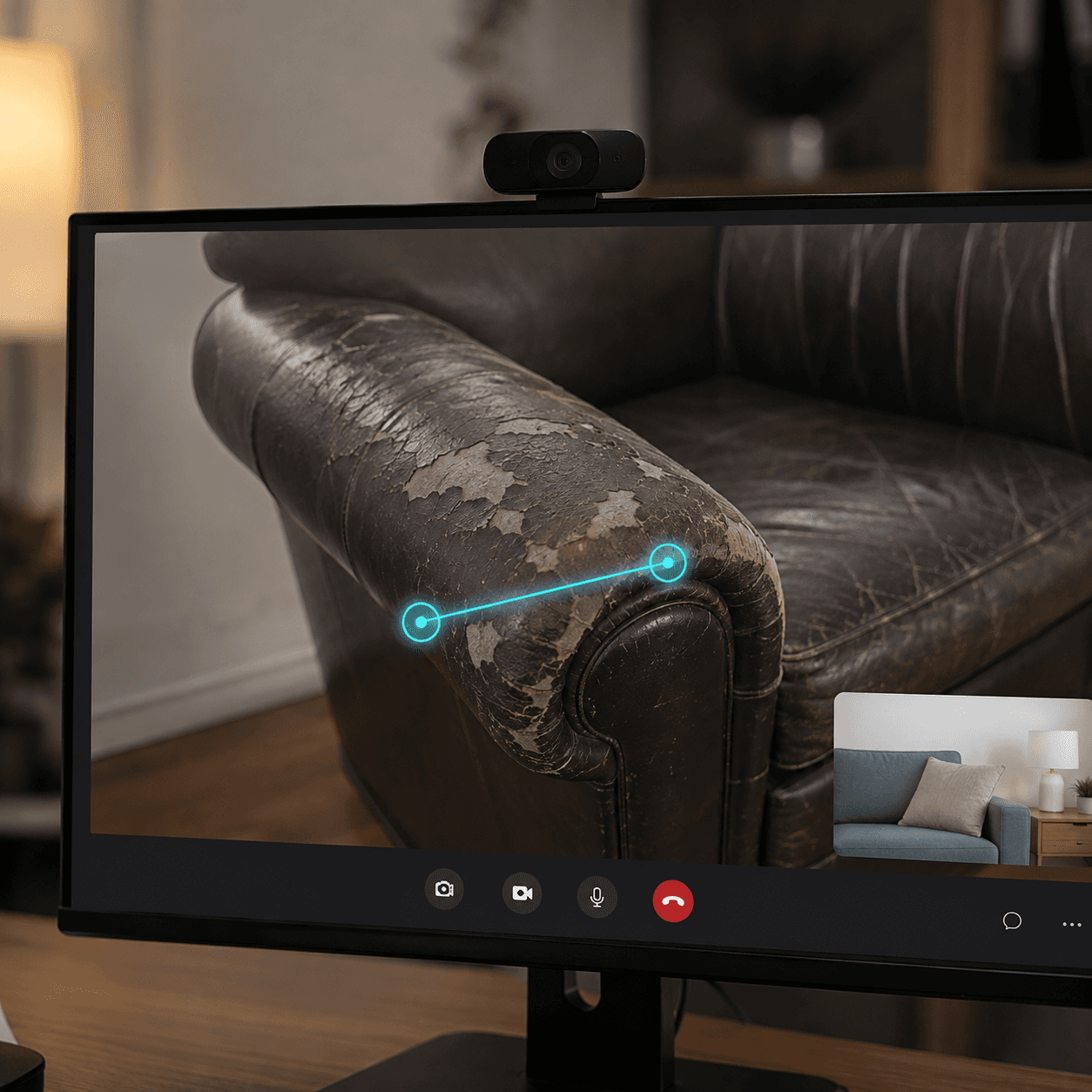
AR-powered visual claims tools give insurers measurement features to record real-world dimensions directly to a claim, OCR reading and translation to verify a damaged product’s make and model regardless of language, and geolocation to confirm a policyholder’s claim location, reducing fraudulent and supplemental claims while onsite adjuster visits are increasingly replaced with live video sessions.
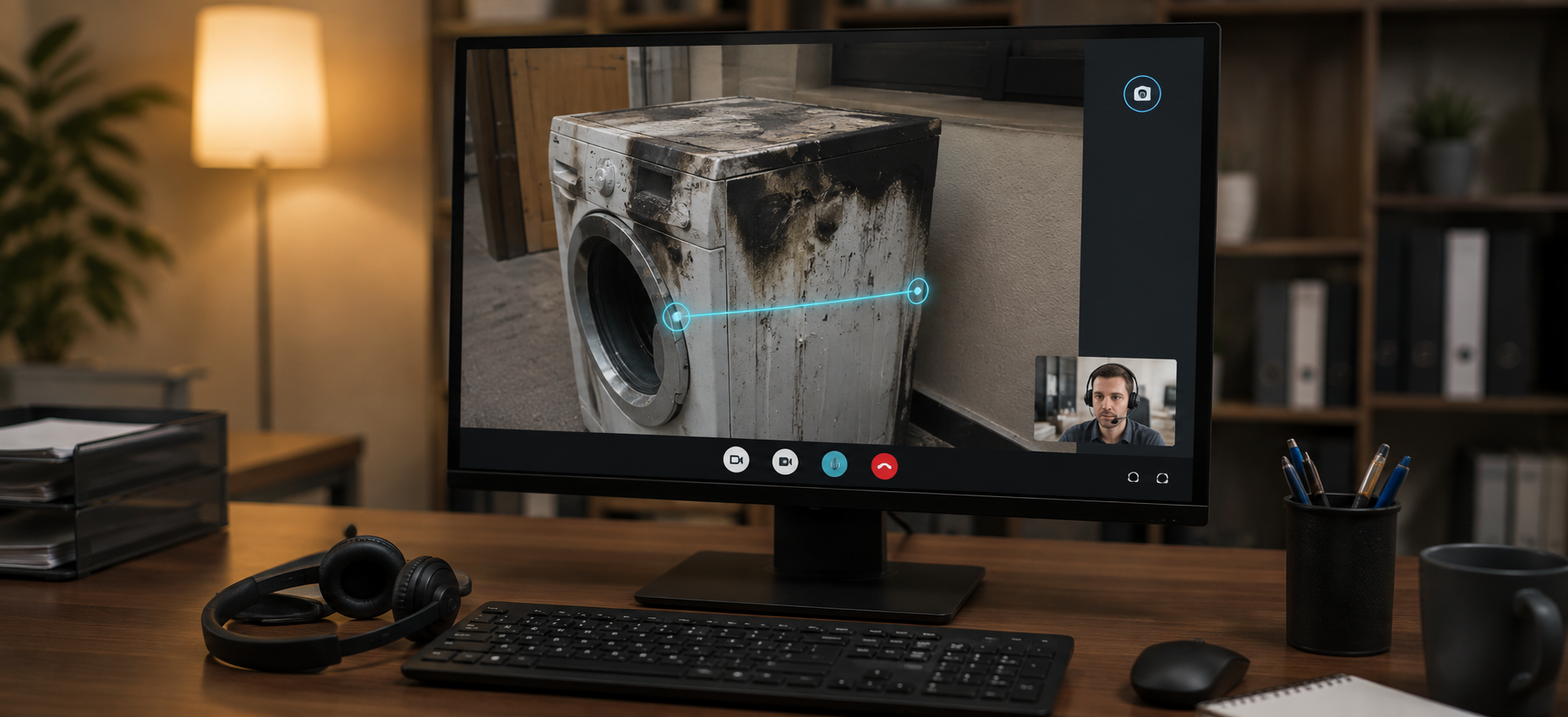
Insurance fraud costs the industry billions of dollars annually, and while AR-powered claims processing gets discussed most often for its speed and cost advantages, its fraud-prevention capability deserves its own dedicated look, since the specific feature set insurers are deploying, measurement, verification, and location confirmation tools, directly targets the exact vulnerabilities fraudulent claims have historically exploited. This blog breaks down each of these AR-powered fraud prevention tools individually, explaining the specific gap each one closes. It opens by explaining the AR-measurement feature, letting an adjuster record precise real-world dimensions of damage directly into the claim file during a live video session, closing a gap that previously relied on a claimant’s own estimate or a delayed in-person visit, both of which left real room for disputed or inflated damage assessments. The piece walks through the OCR reading and translation capability, allowing a damaged product’s make and model to be automatically verified through the camera regardless of language, which the source material notes both eliminates user error in data collection and makes it possible to quickly identify a genuine like-for-like replacement, closing a gap that previously depended on a claimant accurately self-reporting product details that could be honestly mistaken or deliberately misrepresented. It covers the geolocation feature, accurately confirming the physical location of a policyholder at the moment they’re filing a claim, directly addressing a specific and common fraud pattern where claims are filed for damage that either didn’t occur at the stated location or occurred somewhere the policy doesn’t actually cover.
A section will address why combining these tools into a single live video claims session matters more than each feature working in isolation, since a policyholder demonstrating damage in real time, with measurement, product verification, and location all captured simultaneously and automatically during one continuous session, creates a far more complete and harder-to-manipulate record than any of these data points collected separately or self-reported after the fact. The blog also touches on why this fraud-prevention benefit doesn’t come at the cost of customer experience, since the same live video session that captures fraud-resistant documentation also gives honest policyholders a faster, more convenient claims process than scheduling and waiting for an in-person adjuster visit, making this one of the rare cases where fraud prevention and customer satisfaction improve simultaneously rather than trading off against each other. AR fraud prevention in insurance, live video claims verification, and insurance technology accuracy tools are the throughlines here, breaking down the specific mechanics behind how AR is closing insurance’s oldest vulnerability.