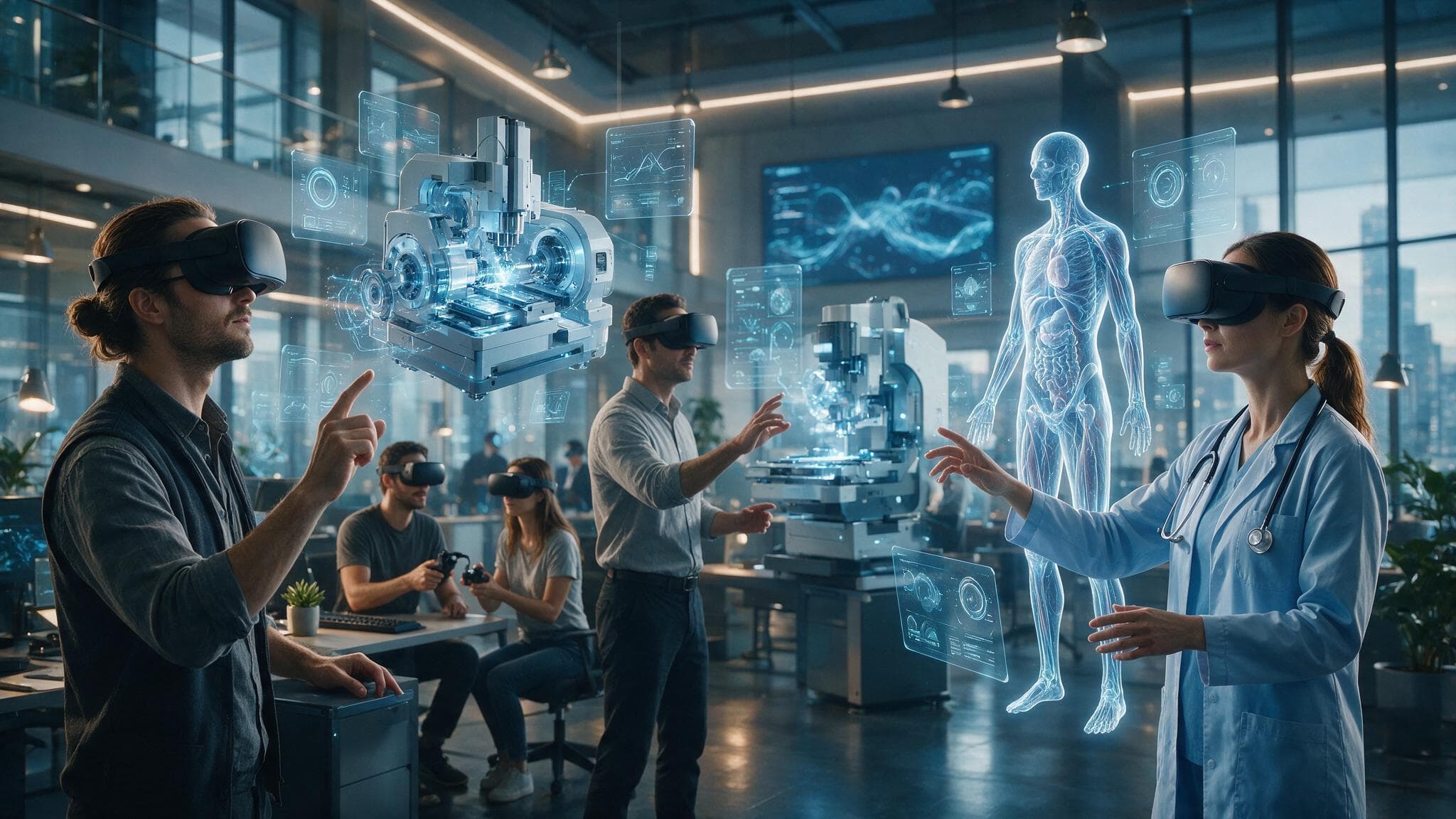

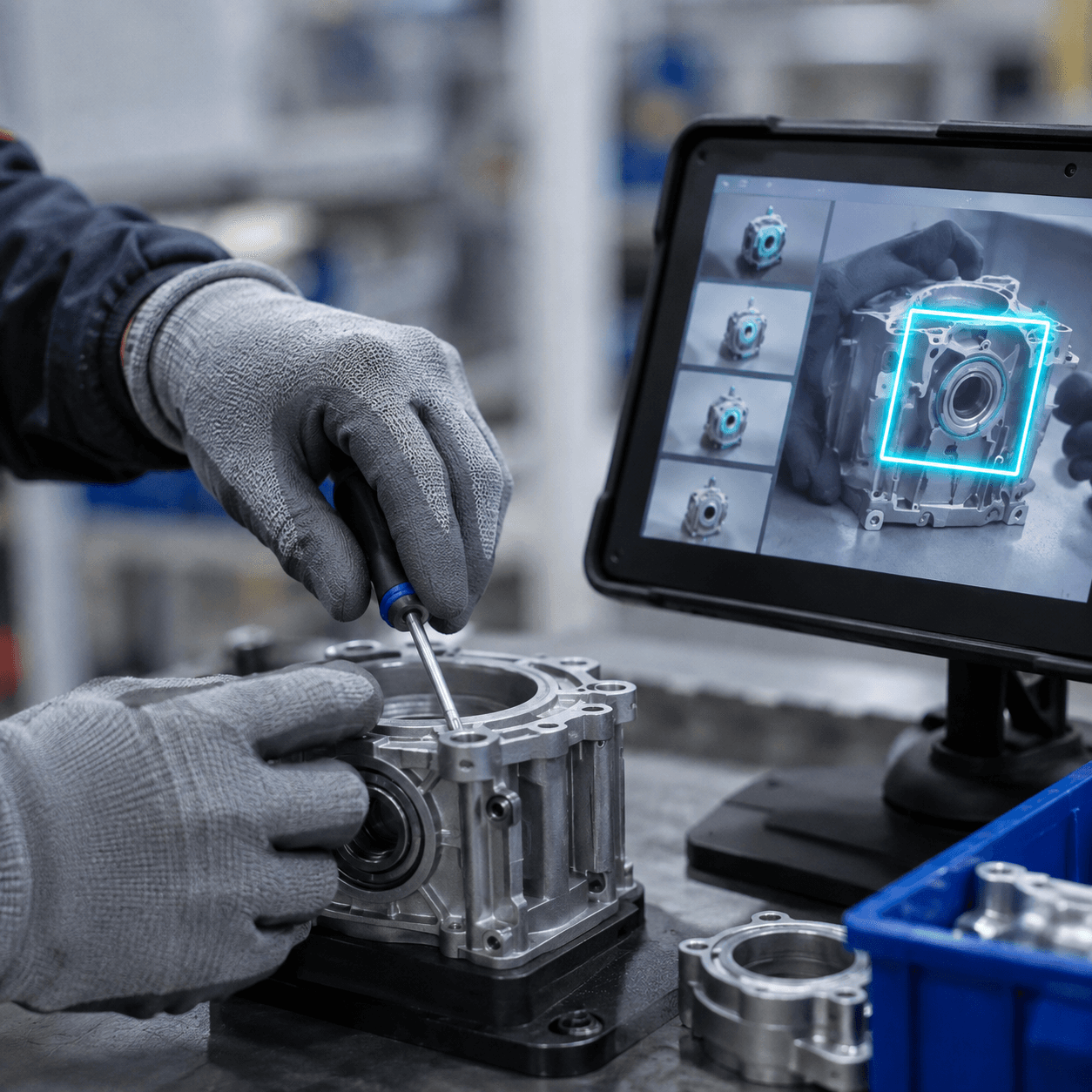
PBC Linear deployed Taqtile’s AR-based Manifest platform to convert expert knowledge into interactive, step-by-step visual instructions, resulting in an 80% reduction in the time it takes to train workers and 20% annual savings from scrap minimization and fewer mistakes.

An 80% reduction in training time isn’t a marginal efficiency gain, it’s the kind of number that fundamentally changes how a manufacturer thinks about onboarding, and PBC Linear’s deployment of Taqtile’s AR platform offers a genuinely instructive blueprint for how that result was actually achieved. This blog breaks down the mechanics behind that number rather than treating it as a headline statistic, and explains what a manufacturer needs in place to replicate results like it. It opens by explaining the core problem this kind of AR deployment solves, that manufacturing expertise has traditionally lived inside the heads of experienced workers, transferred slowly through shadowing and verbal instruction, a process that is inherently slow, inconsistent, and vulnerable to knowledge walking out the door when experienced staff retire or leave. The piece walks through what Taqtile’s platform specifically does differently, converting that expert knowledge into interactive, step-by-step visual instructions overlaid directly onto the physical workspace, letting new employees follow precise visual guidance in real time rather than relying on a supervisor’s memory or a static paper manual. It covers why this approach produces such a dramatic training time reduction specifically, since AR-guided instruction removes the bottleneck of needing a dedicated trainer physically present for every step, while simultaneously ensuring the guidance a new worker receives is exactly consistent every time rather than varying based on which experienced employee happens to be training them that day.
A section will address the second half of PBC Linear’s results, the 20% annual savings tied to scrap minimization and fewer mistakes, explaining why error reduction on the production floor compounds financially in ways that go well beyond the training budget line item, covering wasted materials, rework time, and equipment strain from incorrect operation. The blog also touches on the practical deployment considerations any manufacturer evaluating a similar approach should plan for, including the upfront work of actually capturing and structuring expert knowledge into a usable digital format, a step that determines the quality of everything the AR system delivers downstream. AR-guided manufacturing training, knowledge capture and retention, and measurable training ROI are the throughlines here, treating a specific, verified case study as a genuine playbook for manufacturers evaluating their own AR training investment.