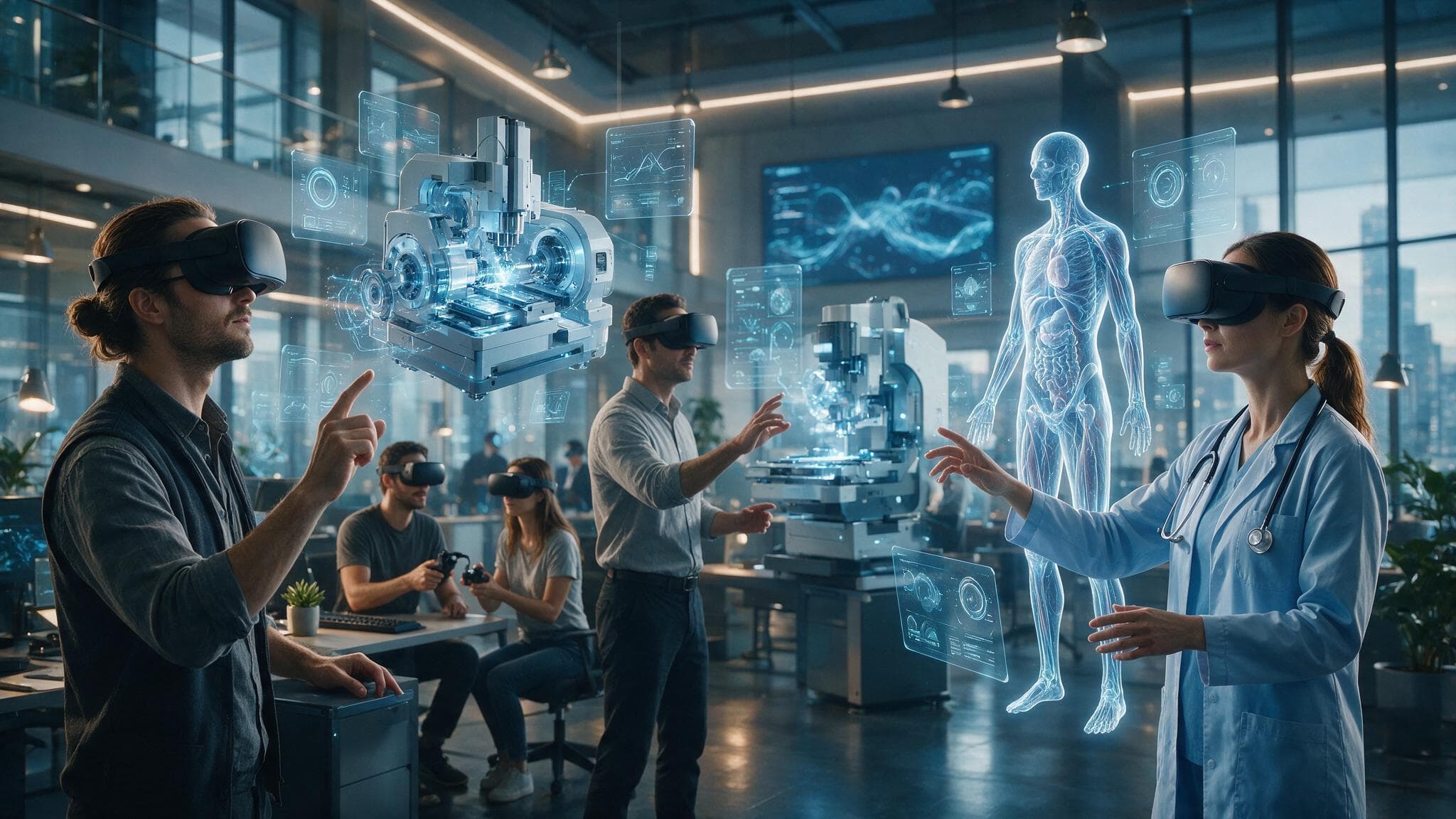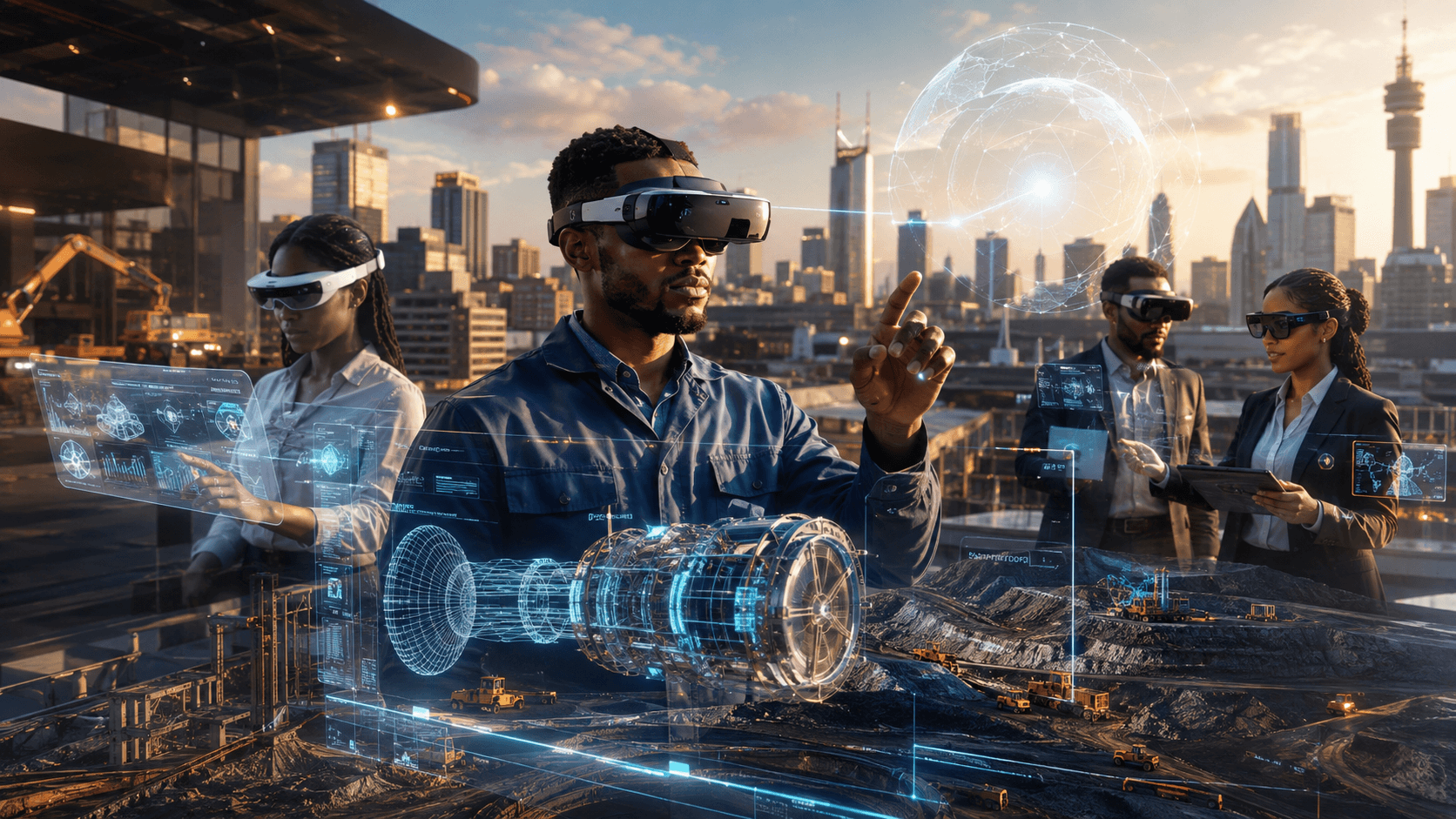


Across 195 industry stories published from mid-March to mid-July 2026, AR and smart glasses coverage never dipped below a third of total monthly coverage and peaked at just over half in May during AWE conference season, driven by developments including Ray-Ban Meta’s continued sales success, Snap opening preorders for its Spectacles, and a steady drumbeat of Android XR news. The data reflects a broader shift where VR remains the deep, immersive experience nothing else can match, while AR is becoming the thing people wear and encounter every day.
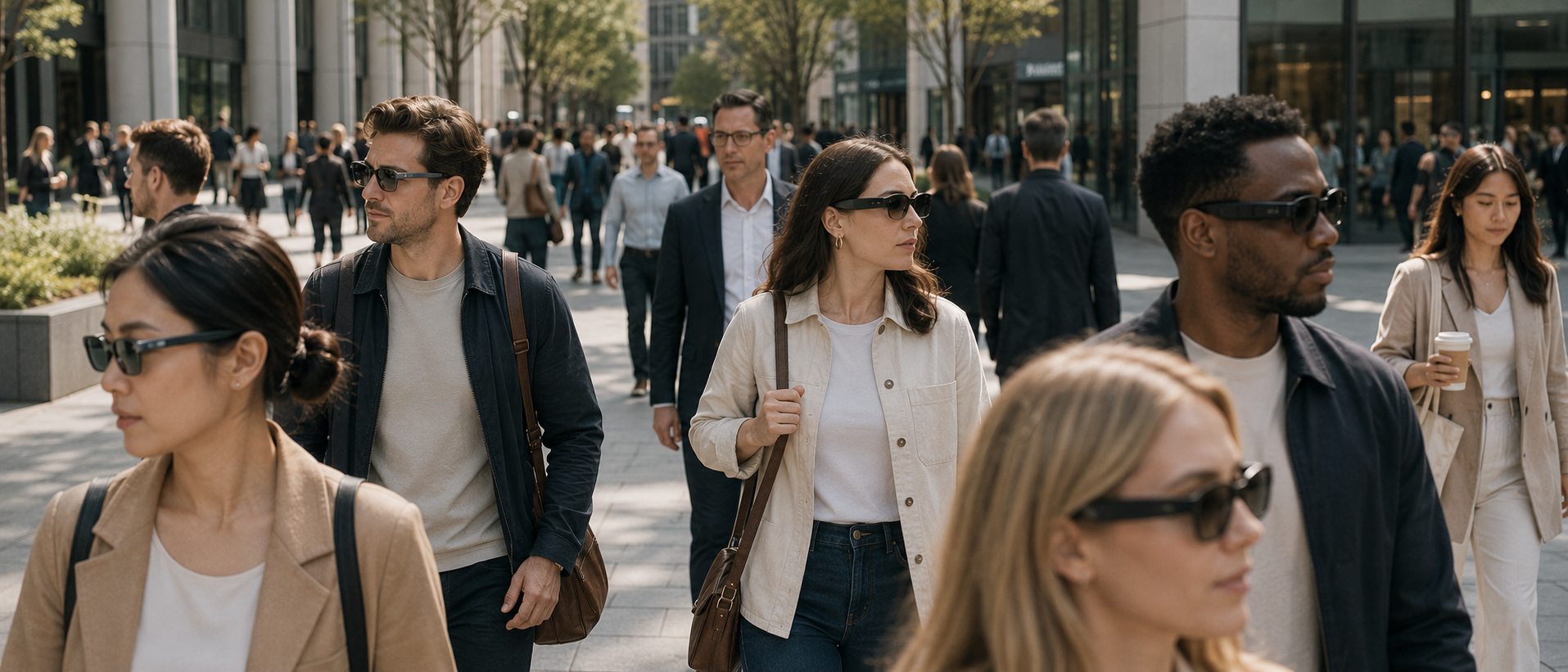
A detailed news data study tracking nearly 200 industry stories over four months found something worth paying attention to, AR and smart glasses coverage has never made up less than a third of total immersive technology news since mid-March, and at its peak accounted for more than half of everything published in a single month. This blog treats that data point as evidence of a real shift in where public and industry attention is heading, and translates what it actually means for brands building customer-facing immersive experiences. It opens by explaining the core distinction the data itself draws, that VR remains the deepest, most fully immersive experience available and nothing else currently matches it, while AR is becoming something people encounter constantly and casually throughout an ordinary day rather than something reserved for a dedicated session. The piece walks through why this distinction matters enormously for brand and marketing teams specifically, since a VR experience asks for a customer’s full attention and a dedicated block of time, while an AR experience can insert itself into a moment that was already happening, a walk through a store, a glance at a product, a pause on a street corner. It covers what this shift means practically for brand campaign planning, arguing that AR’s rising share of attention reflects genuine growth in everyday accessibility rather than VR losing relevance, and that the smartest brand strategies increasingly treat the two as complementary tools for different moments rather than competing choices.
A section will address how to think about campaign format selection going forward, using VR for flagship, high-attention brand moments like product launches or immersive storytelling experiences, while using AR and WebXR for the much larger volume of everyday touchpoints where a customer’s attention window is measured in seconds rather than minutes. The blog also touches on why lightweight AR glasses specifically are accelerating this shift, since wearable AR removes the friction of holding up a phone or putting on a headset, making casual, frequent AR encounters far more realistic than they were even a year earlier. AR marketing trends, brand engagement through wearable AR, and immersive campaign strategy are treated as one connected story here, giving marketing and brand teams a clear framework for where to place their next immersive campaign investment.