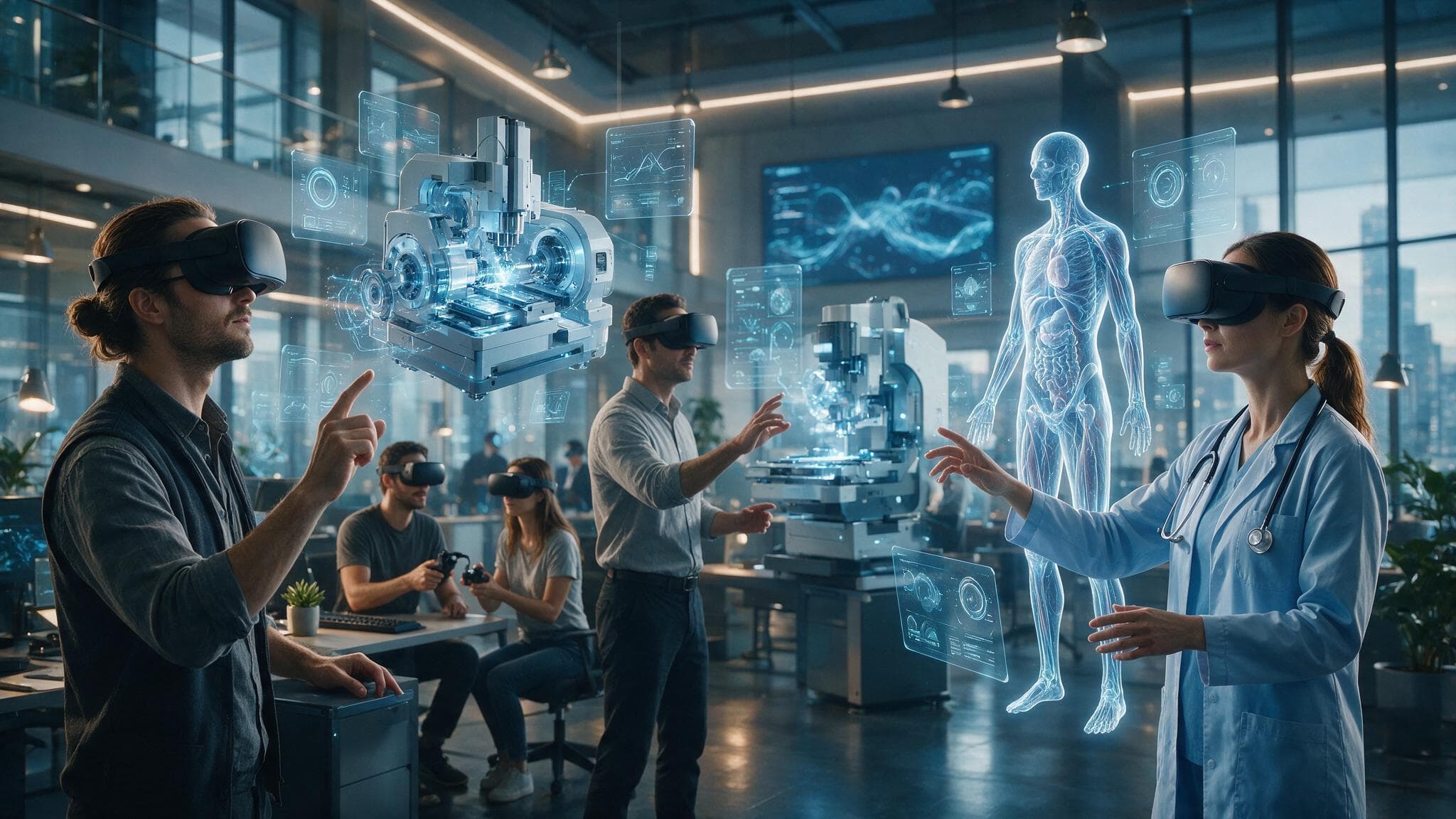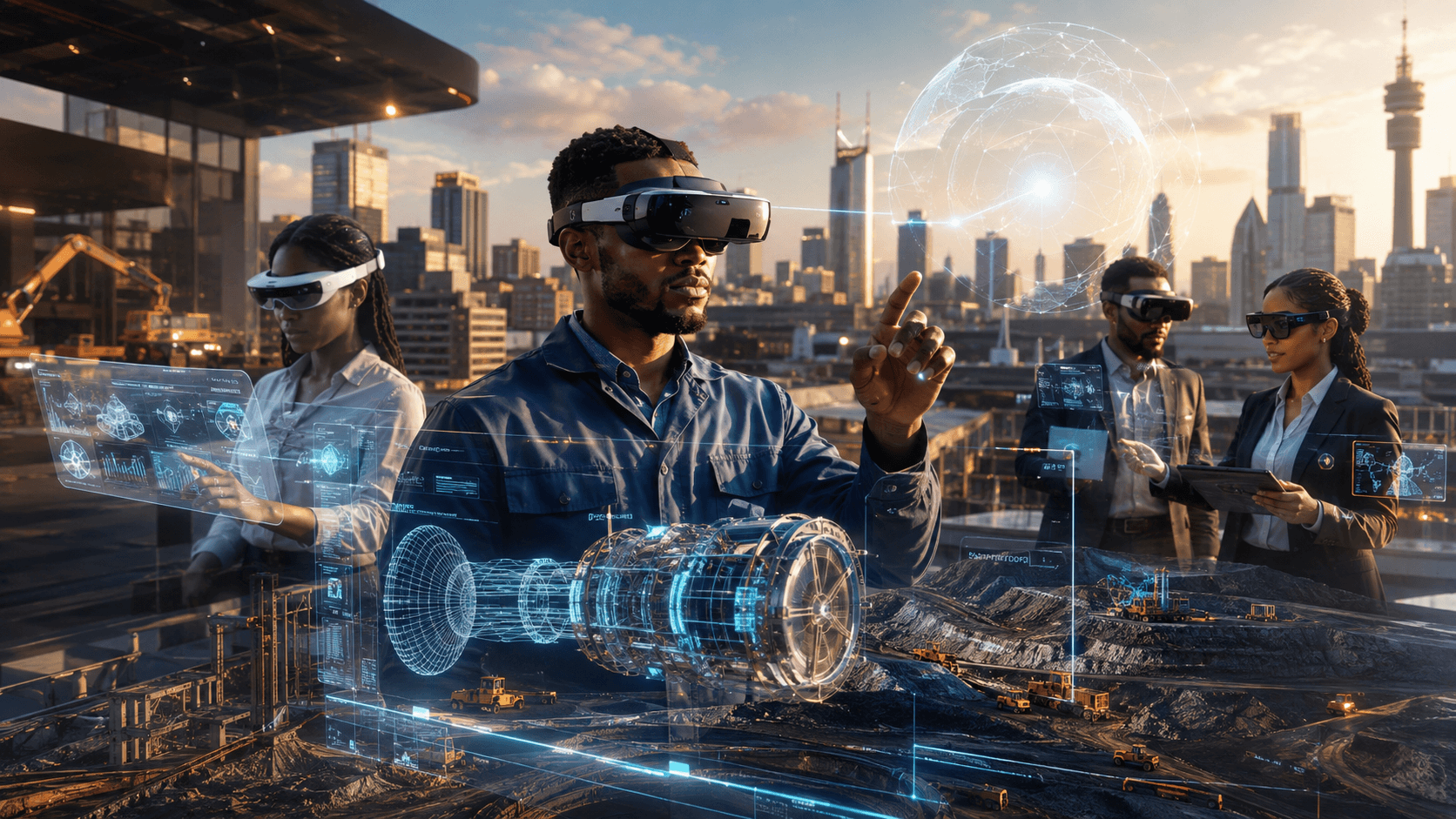

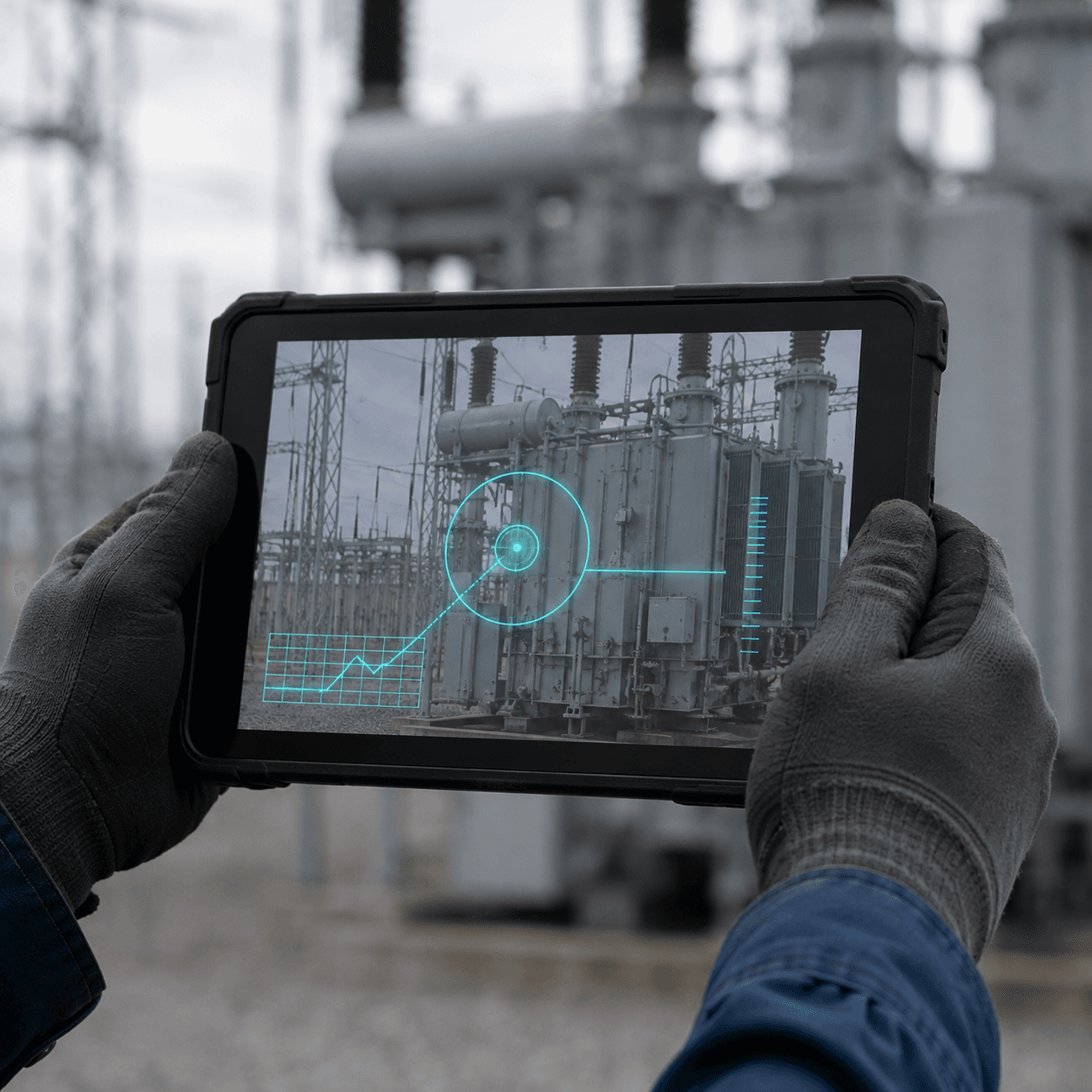
Mixed reality technology is being deployed across utility field service management, merging physical and digital worlds to overlay real-time operational information onto energy, water, and gas infrastructure, part of a broader shift toward AI, ML, and IoT-powered workforce and customer experience platforms across global energy and utility providers.
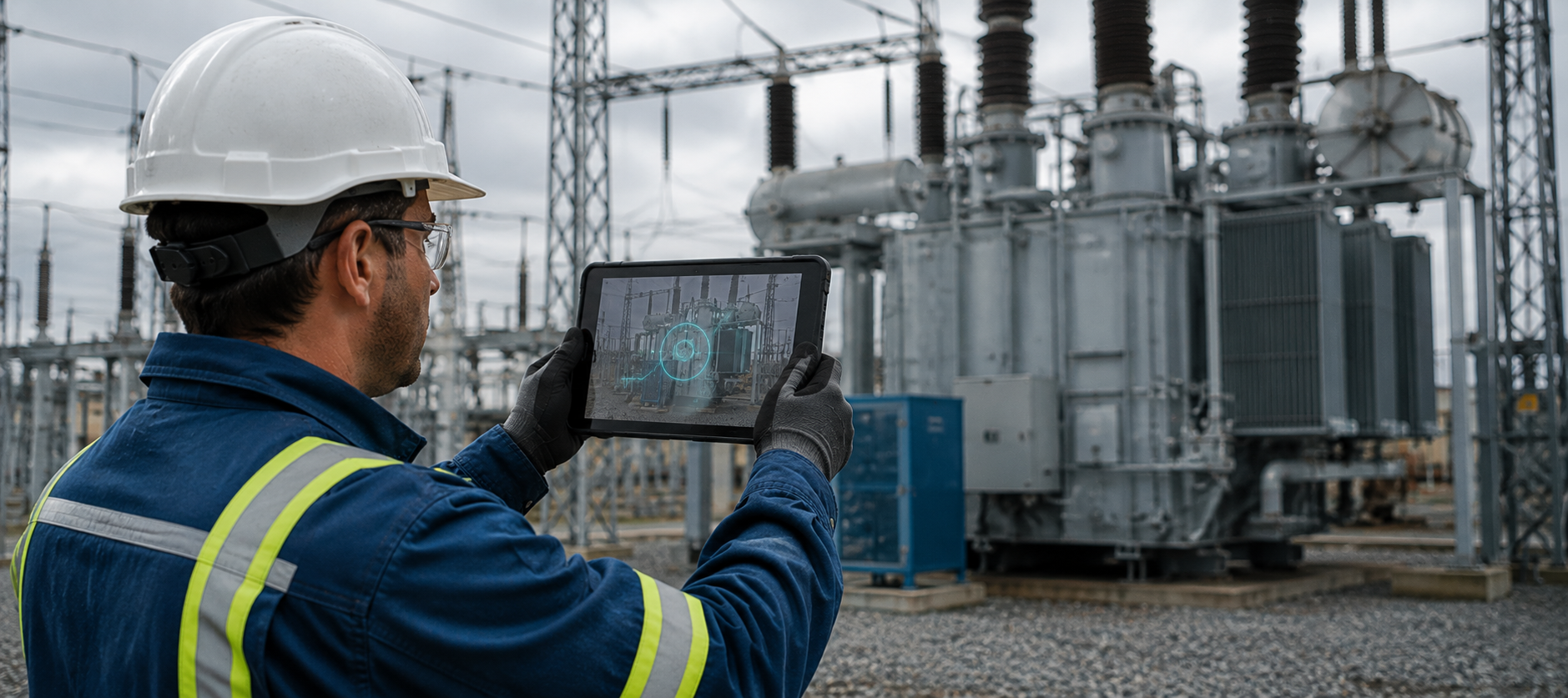
Utility infrastructure, power grids, water systems, gas networks, is often physically enormous, geographically dispersed, and genuinely dangerous to work on incorrectly, a combination that makes it a particularly strong fit for mixed reality technology, and this blog explores how AR and MR are being woven into modern utility field service operations as this infrastructure increasingly connects to real-time digital data. It opens by explaining the specific operational challenge utility field technicians have always faced, working on complex, often unfamiliar equipment spread across a huge service territory, frequently without a specialist immediately available to consult when something unexpected turns up during a repair or inspection, a genuine gap between the knowledge a technician has and the knowledge a specific job might require. The piece walks through what mixed reality specifically adds to that scenario, letting a technician see real-time operational data, from IoT sensors monitoring grid load, water pressure, or gas flow, overlaid directly onto the physical equipment they’re working on, transforming what used to be a separate data lookup on a laptop or tablet into information visible directly in their field of view while their hands remain on the actual task. It covers why this integration between IoT sensor data and mixed reality visualization matters so much specifically for utilities, since energy, water, and gas infrastructure already generates enormous volumes of real-time sensor data, meaning the data foundation for genuinely useful AR overlays already exists at most modern utility providers, the visualization layer is often the missing piece rather than the underlying data itself. A section will address the customer experience dimension this same technology increasingly touches, since utility providers are applying similar AR-powered remote visual support to customer-facing scenarios like verifying meter readings, guiding customers through minor troubleshooting, or documenting service issues remotely, extending the same core technology from internal field operations into customer support interactions. The blog also touches on why utilities specifically are investing in AI, ML, and IoT-powered platforms alongside mixed reality rather than deploying AR as a standalone tool, arguing that mixed reality delivers its strongest value when it’s the visualization layer sitting on top of a genuinely connected, data-rich infrastructure, rather than a disconnected add-on. Utility field service technology, mixed reality grid operations, and IoT-integrated AR are the throughlines here, exploring how AR is becoming a natural extension of the increasingly connected infrastructure utilities already operate.