
Peer-reviewed studies from 2025–2026 report error reductions ranging from 40% in maintenance and assembly tasks to 86% in remote quality inspection, dropping from a 20.19% error rate with no assistance down to 2.88% with AR/XR assistance, alongside a documented 41.7% reduction in safety incidents and near misses compared with conventional documentation.
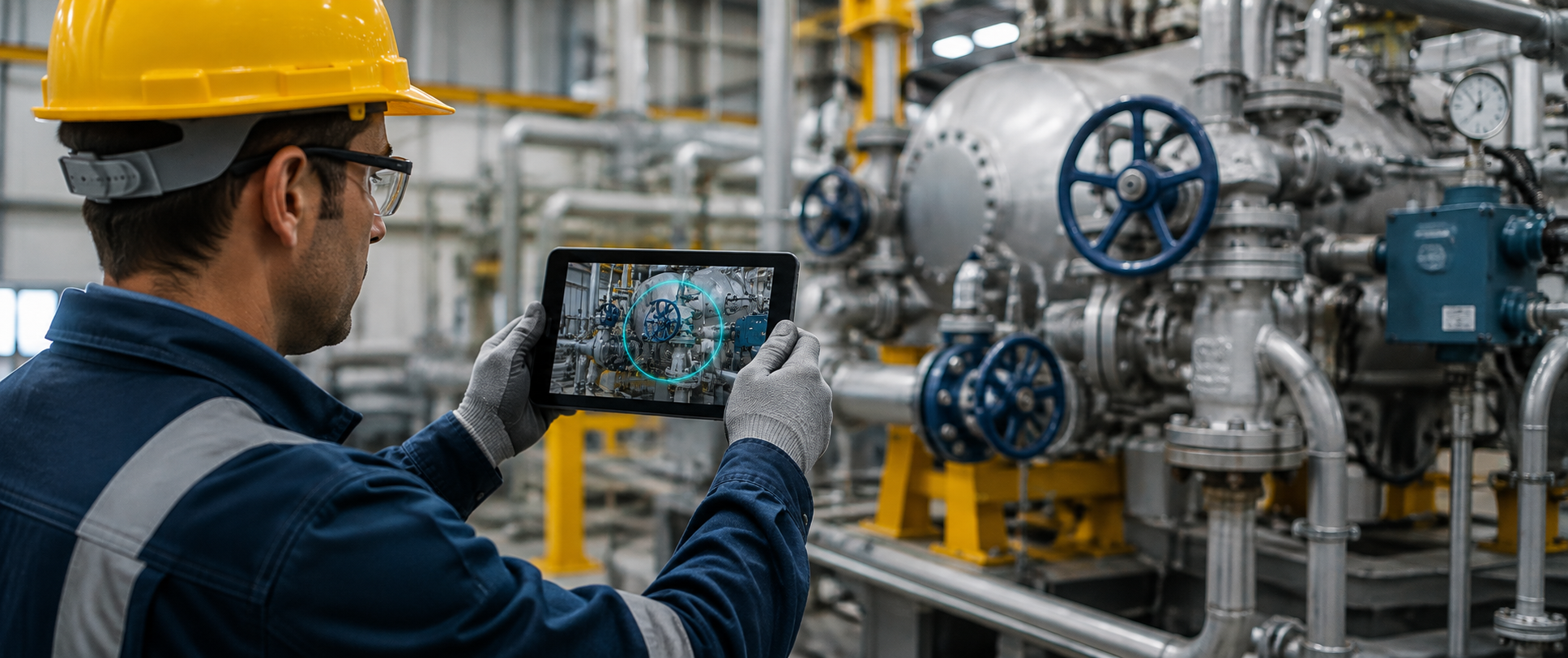
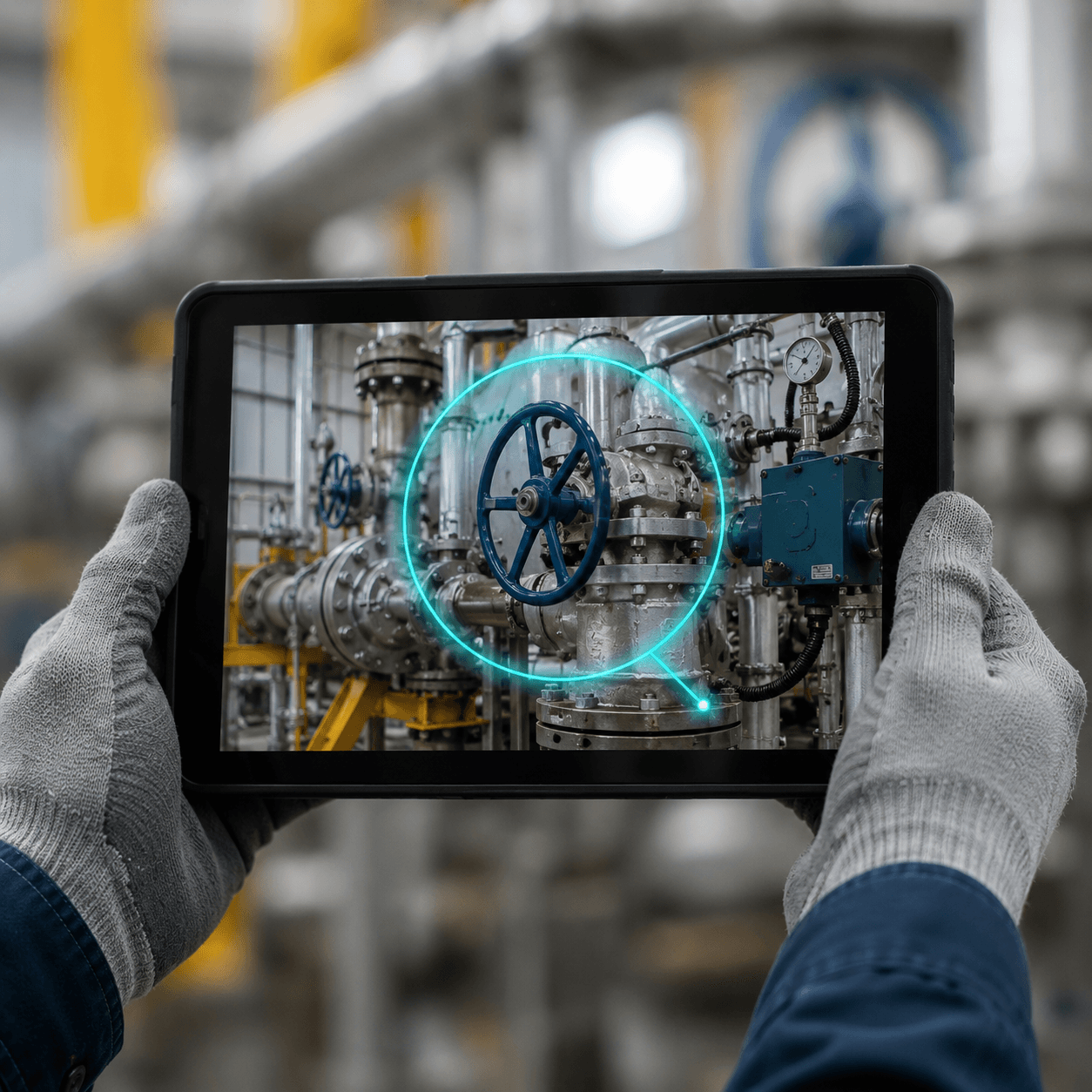
An error rate dropping from 20.19% to 2.88% isn’t a modest improvement, it’s the kind of result that fundamentally changes whether quality inspection can be trusted to catch problems reliably, and this blog breaks down exactly what makes AR remote assistance so effective at closing that gap across industrial field service, energy, and utility operations. It opens by explaining the core mechanism behind AR remote assistance, letting a field worker point a device, smartphone, tablet, or AR smart glasses, at equipment while a remote expert watches the live video feed and adds AR annotations, directional arrows, circles around fault points, hand-drawn markings, that stay precisely anchored to the physical equipment even as the worker moves around it, thanks to spatial tracking technology. The piece walks through why this specific capability drives such a dramatic error reduction in quality inspection tasks, since anchored, precise visual guidance eliminates the ambiguity that causes most inspection errors, a worker being told to “check the second valve from the left” through a phone call carries genuine room for misinterpretation, while a circle drawn directly onto that exact valve in the worker’s live view leaves essentially no room for confusion. It covers why the error reduction range spans so widely, from 40% in maintenance and assembly work to 86% in quality inspection specifically, arguing that inspection tasks benefit most because they depend heavily on precisely identifying and evaluating specific points on equipment, exactly the kind of spatial precision problem AR annotation solves most directly.
A section will address the 41.7% reduction in safety incidents and near misses, explaining why this safety benefit runs alongside the error reduction rather than being a separate outcome, since keeping guidance directly in a worker’s field of view means they never have to look away from a hazardous task to consult a manual or take a phone call, a genuinely significant safety improvement in industries like energy, utilities, and heavy industry where losing visual attention on equipment for even a moment carries real risk. The blog also touches on the specific ROI framing this technology invites, since the returns come from avoided travel, reduced downtime, and faster first-time fixes rather than headcount reduction, making the business case compatible with workforce retention goals rather than requiring layoffs to justify the investment. AR remote assistance, industrial quality inspection, and field service error reduction are the throughlines here, breaking down peer-reviewed data into a genuinely compelling case for AR-guided field operations.