
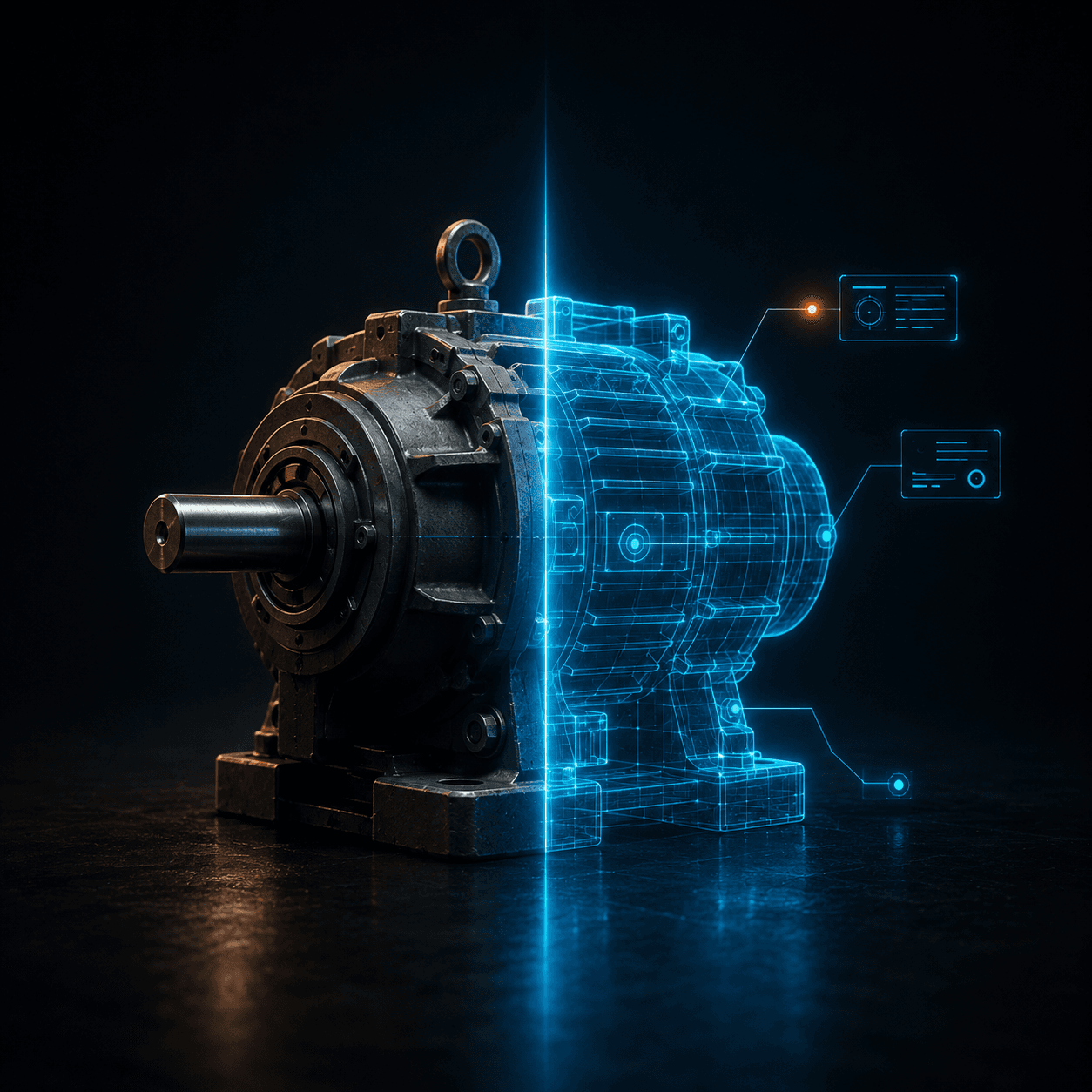
Unilever partnered with Accenture to scale AI-enabled digital twins across its global manufacturing network, with one twin powering deodorant stick production predicting 95% of process flow restrictions and delivering a 20% reduction in waste. Digital twins are described industry-wide as dynamic virtual replicas of physical assets that synchronize with real-time data, moving beyond static visualization to actively explain, simulate, and recommend actions.
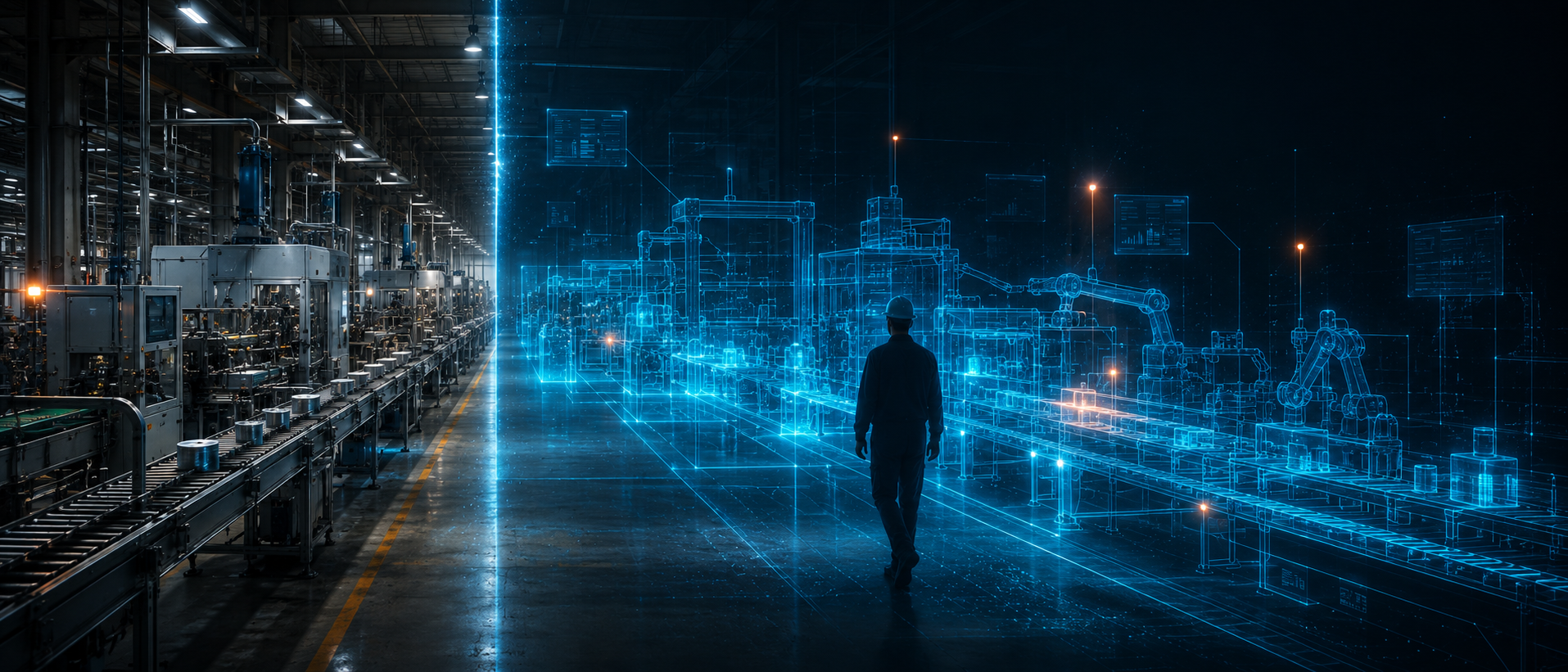
Digital twin technology in manufacturing is having a real moment, with Unilever’s recently announced global rollout showing measurable results like a 20 percent reduction in waste and a 10 percent uplift in production capacity at a single facility. Most coverage of digital twins focuses entirely on the sensor data and predictive analytics side, the part that forecasts equipment failure or flags process restrictions before they cause downtime. What gets left out of the conversation is the visualization layer, the part that turns raw data into something a plant manager, technician, or new hire can actually see, walk through, and understand at a glance.
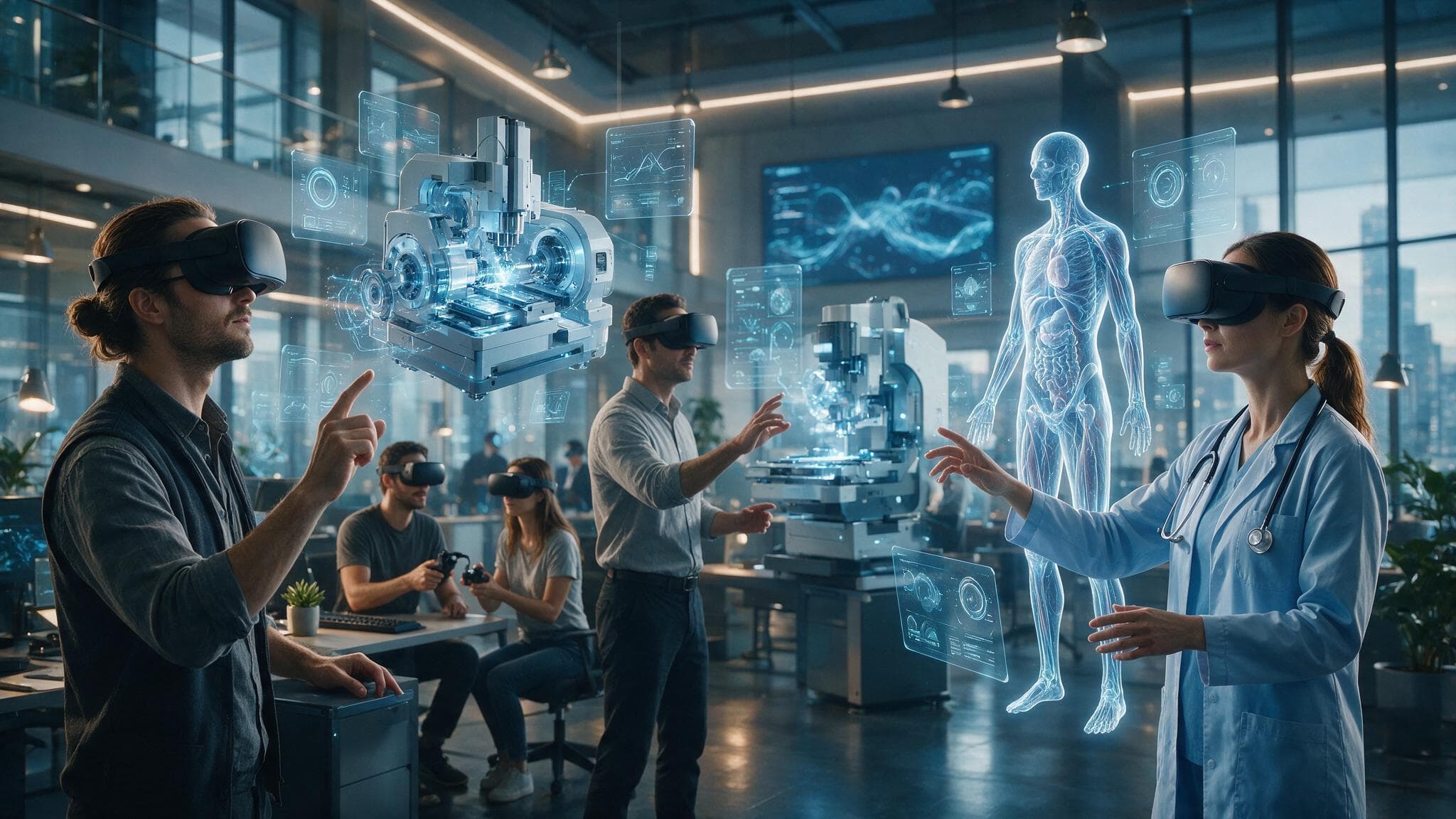
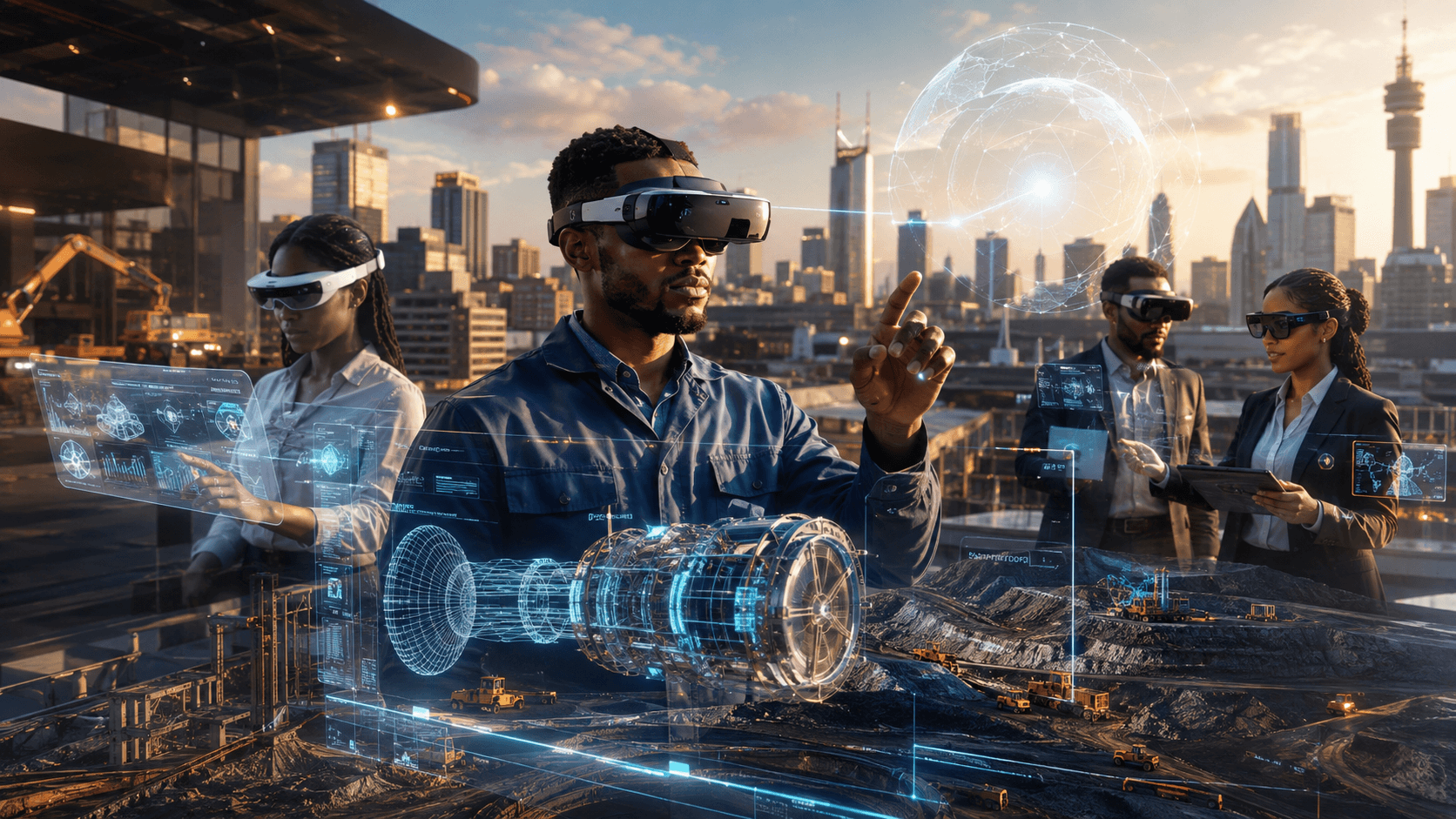
A digital twin built purely as a data feed still requires someone to interpret spreadsheets and dashboards. A digital twin rendered as an explorable 3D or immersive environment lets that same information become intuitive, spatial, and immediately actionable. This blog explores that missing layer, covering how AR and VR visualization transforms a manufacturer’s existing digital twin data from a technical backend tool into a training asset, a design review tool, and a floor-level communication tool all at once. It walks through real use cases where visualization adds measurable value on top of existing sensor and analytics investments, including training new technicians inside a full-scale 3D replica of an actual production line before they ever touch real equipment, letting engineering and design teams walk through a proposed layout change in virtual reality before committing capital to a physical rebuild, and giving plant managers a spatial, walkable view of exactly where a flagged issue sits on the floor instead of a row in a spreadsheet.
The piece is careful to position this accurately: immersive visualization is not a replacement for the IIoT sensors and predictive analytics platforms manufacturers already rely on, it is the layer that makes that existing investment more usable across an entire organization, not just for the data science team. Manufacturing digital twin visualization, AR training for manufacturing, and 3D factory simulation all point to the same underlying opportunity, that the businesses already collecting the data are often sitting on far more value than their current dashboards let them see or act on.