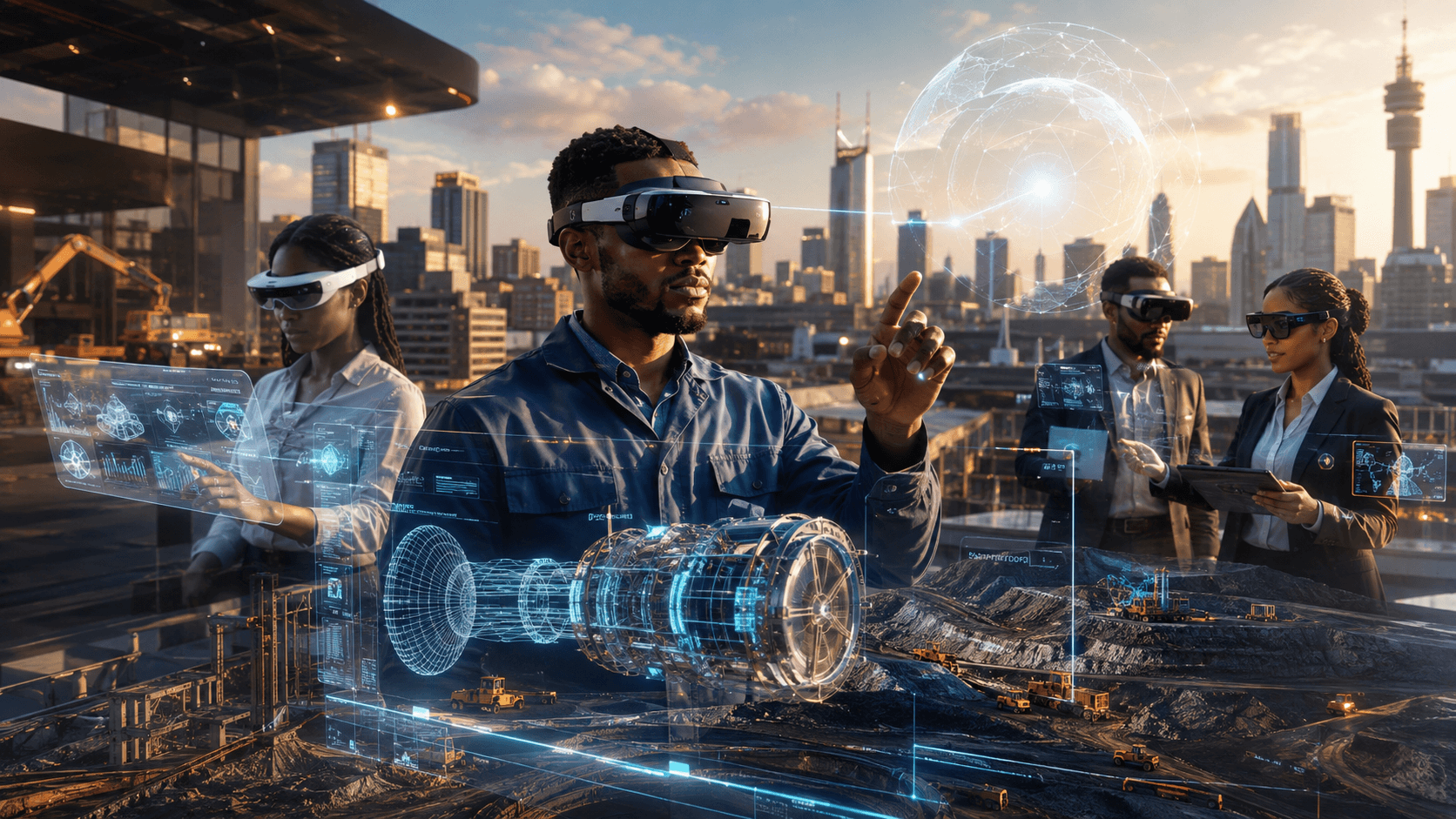

Engineers using VR and XR technology report a 10% reduction in time to market and a 7% decrease in construction times, part of a broader pattern where 75% of industrial companies implementing large-scale VR and AR technologies reported a 10% increase in operations.

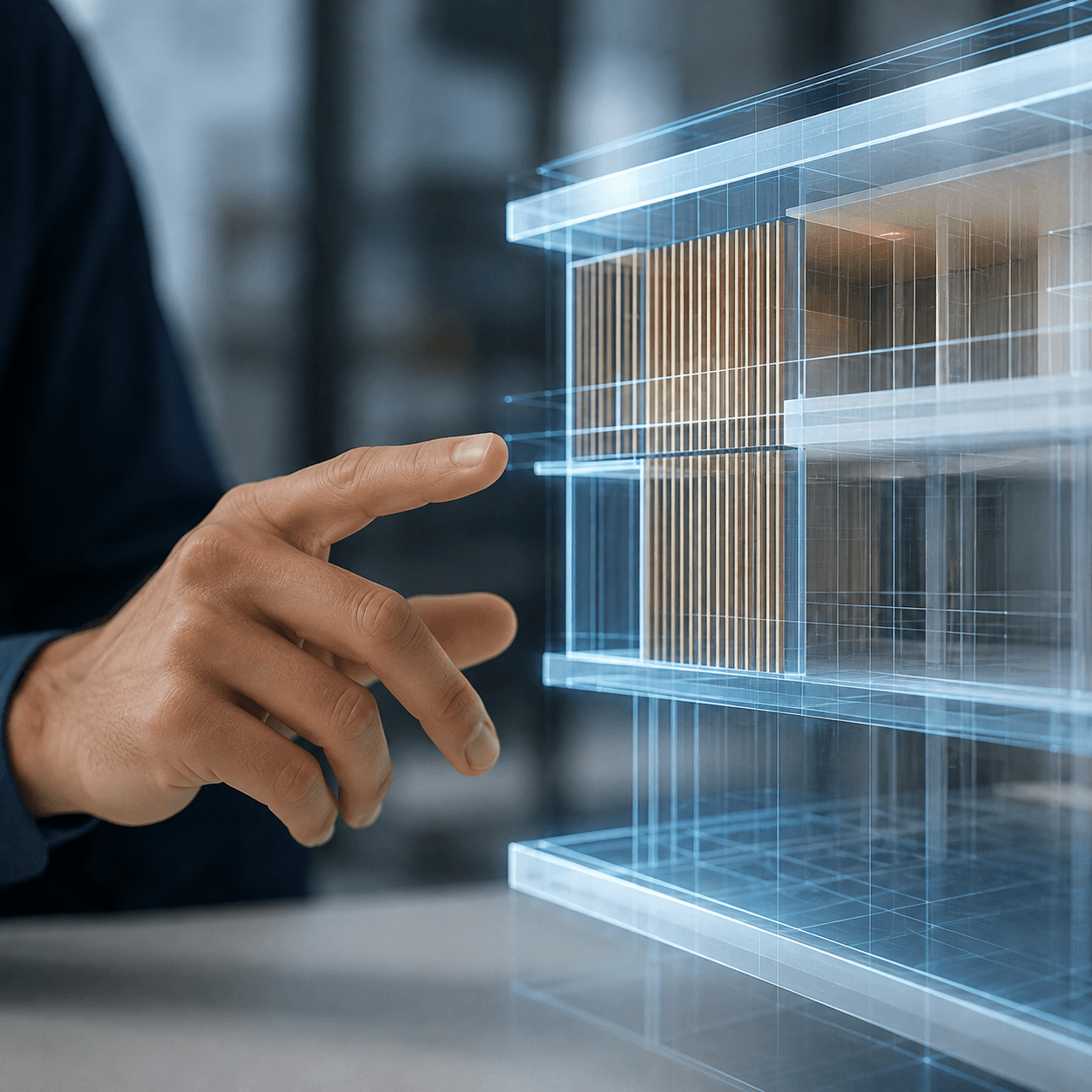
A 7% decrease in construction time sounds modest until you translate it into what that actually means on a real, multi-million-dollar build, weeks of schedule compression, reduced labor cost exposure, and earlier revenue generation from a completed project, and this blog breaks down exactly where that time savings actually comes from in the construction and engineering workflow. It opens by explaining why construction and engineering specifically see this kind of measurable time compression from VR and XR adoption, covering how these industries have traditionally relied on 2D drawings and static models to communicate design intent, a format that leaves significant room for misinterpretation between designers, engineers, and the construction teams actually executing the build. The piece walks through what changes when teams instead review a project through immersive 3D visualization, letting architects, engineers, and construction managers walk through a full-scale digital model together, catching design conflicts, spatial issues, and coordination problems before a single physical foundation is poured, rather than discovering those same problems mid-construction when fixing them costs dramatically more in both time and materials. It covers why the 10% reduction in time to market figure specifically matters for engineering teams beyond construction alone, since VR-based design review compresses the iterative back-and-forth between design and stakeholder approval that traditionally required scheduling in-person meetings around physical models or lengthy drawing revision cycles.
A section will address how this connects to the broader 75% of industrial companies reporting a 10% increase in operations finding, arguing that construction and engineering’s time savings represent one specific, well-documented instance of a pattern showing up consistently across industrial VR and AR deployment more broadly, catching problems earlier in a visual, spatial format catches costly errors that text-based or 2D review consistently misses. The blog also touches on the practical deployment path for construction firms evaluating this technology, suggesting that starting with design review and stakeholder walkthroughs, rather than full field deployment, tends to deliver the fastest, most measurable time savings before expanding into more complex applications like field-based AR guidance for construction crews themselves. Construction VR design review, engineering time-to-market reduction, and immersive project coordination are the throughlines here, breaking down exactly how a percentage-point improvement translates into real schedule and cost impact on the ground.