

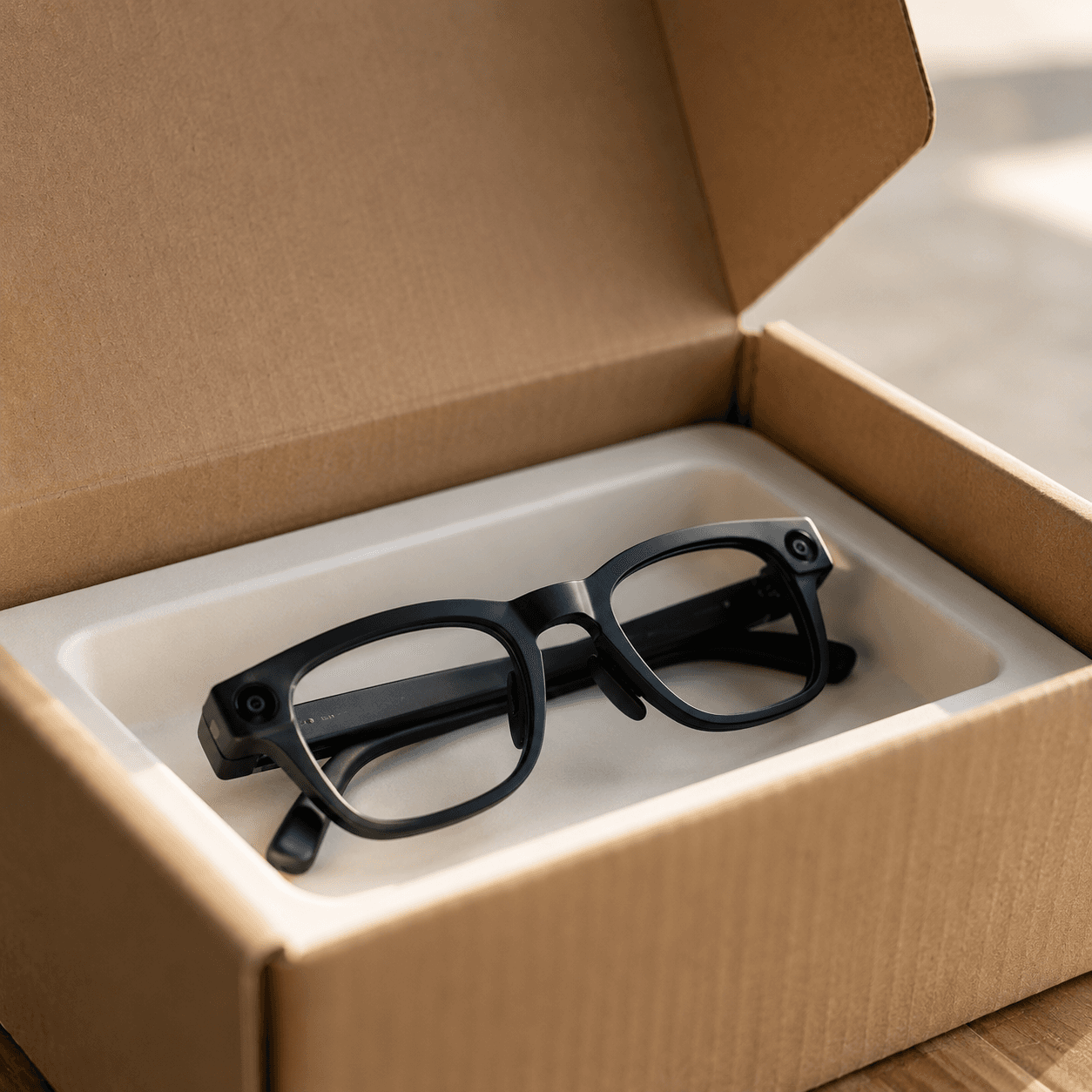
Display-less smart glasses shipped 2.25 million units in Q1 2026 alone, nearly matching the 2.7 million units the entire category moved across all of 2024, according to IDC, with the firm noting smart glasses growth “compressing into quarters” what analysts had expected to unfold over years.

A single quarter shipping nearly as many units as an entire previous year isn’t gradual growth, it’s a genuine category inflection point, and display-less smart glasses moving 2.25 million units in Q1 2026 alone, against 2.7 million for all of 2024, represents exactly that kind of compressed adoption curve. This blog breaks down what’s actually driving this dramatic acceleration, and why display-less glasses specifically, rather than the more feature-rich display-equipped devices getting most of the headlines, are the format actually moving at this pace. It opens by explaining what makes display-less smart glasses a meaningfully different product category from their more sophisticated display-equipped counterparts, offering audio, camera, and AI assistant features without a visual display layer, a simpler, lighter, and generally more affordable design that trades some capability for genuinely everyday wearability and lower price. The piece walks through why this specific simplicity appears to be driving faster adoption than more feature-rich alternatives, arguing that display-less glasses ask less of both the hardware and the buyer, requiring less battery capacity and weight to deliver their core features while asking a first-time buyer to adopt a genuinely simpler product with a shorter learning curve than a full spatial computing device. It covers what IDC’s specific framing, growth “compressing into quarters” rather than unfolding over years, means for businesses trying to time their own AR and wearable content strategy, since a market moving this quickly rewards businesses that start building genuine glasses-compatible content and experiences now rather than waiting for further validation that may arrive after meaningful early-mover advantage has already been captured by competitors.
A section will address what this shipment volume means specifically for AR content and brand strategy, since a rapidly growing installed base of display-less glasses represents a genuinely large and expanding audience for audio-based AR experiences, voice-driven brand interactions, and ambient AI assistance, a category of content strategy distinct from the visual AR overlay experiences most businesses default to thinking about first. The blog also touches on what this data suggests about the broader smart glasses market’s near-term trajectory, arguing that display-less devices acting as the current volume driver doesn’t diminish the importance of display-equipped devices long-term, but does mean the actual current mainstream audience skews toward simpler, audio-first experiences right now. Smart glasses market growth, display-less wearable adoption, and audio-first AR strategy are the throughlines here, breaking down a striking shipment statistic into genuinely actionable content strategy guidance.