

Developer Asger Mølgaard has argued that smart glasses like Ray-Ban Meta “don’t need a dedicated app store,” proposing instead that glasses function as an accessory to existing smartphone apps rather than requiring their own separate ecosystem. He’s built this idea into a company, Extentos, offering an SDK that lets standard phone apps easily add glasses support without a dedicated glasses-native app.
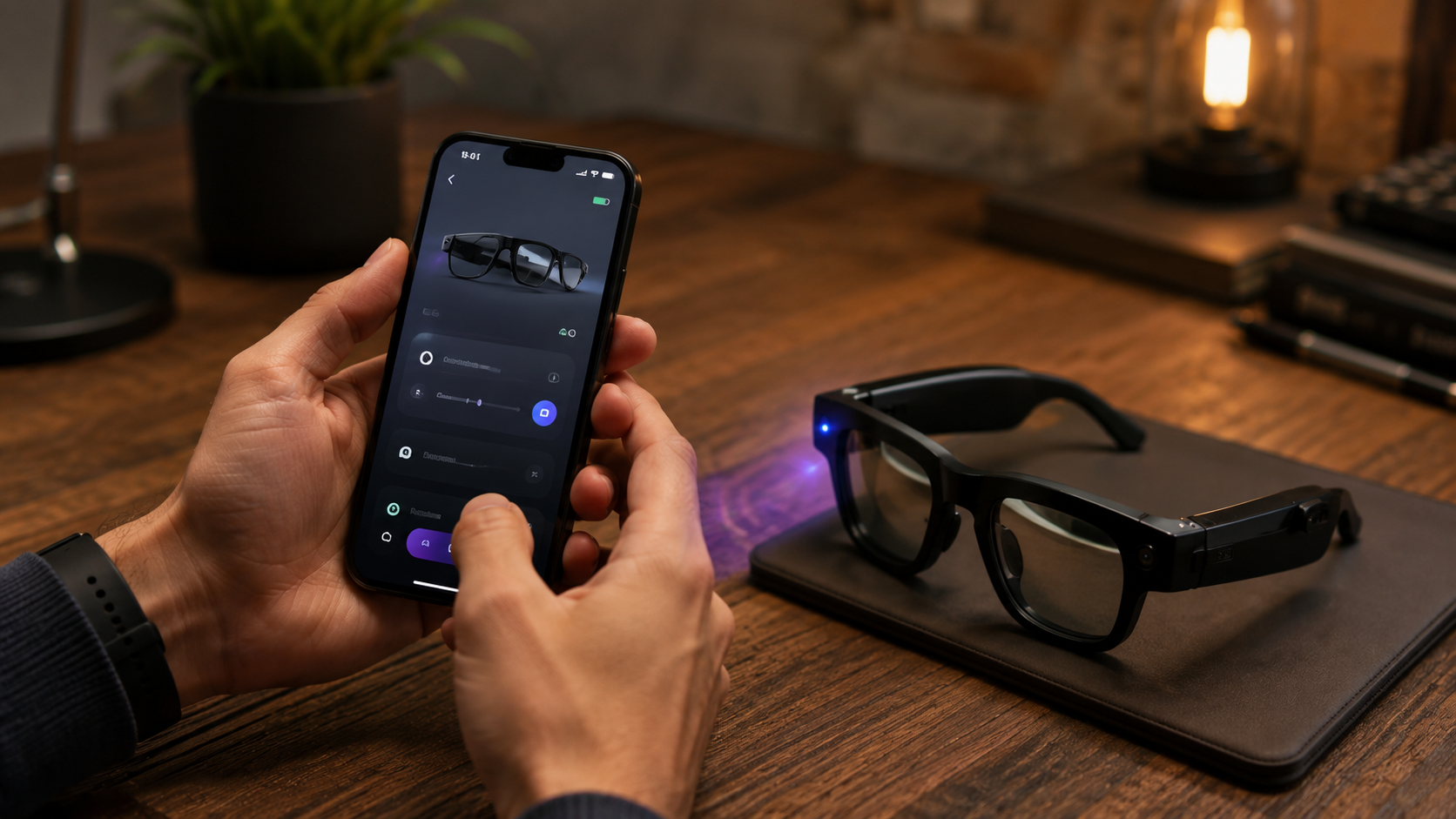
A provocative but genuinely useful idea is circulating in the smart glasses developer community this week, that the entire premise of building a separate, dedicated app store for AR glasses might be solving the wrong problem, and this blog explores what that debate means for businesses currently deciding how to approach AR glasses content strategy. It opens by explaining the alternative model being proposed, treating smart glasses as an accessory extension of the smartphone apps people already use, rather than requiring an entirely separate glasses-native app ecosystem, so an existing app like a music or navigation service could simply extend its functionality through the glasses rather than requiring users to discover and install a completely separate glasses-specific app. The piece walks through why this reframing genuinely matters for adoption, since one of the most persistent friction points in every new device category has been convincing developers to build dedicated apps for a platform with an unproven user base, a chicken-and-egg problem that has slowed adoption of numerous hardware categories before smart glasses. It covers what a dedicated SDK enabling this accessory model actually solves technically, letting existing, already-successful apps add glasses support as an incremental feature rather than requiring a business to justify and fund an entirely separate glasses-specific development project with uncertain return.
A section will address the genuine tension this idea runs into, since platform holders like Meta have clear commercial incentives to keep users and developers within their own dedicated app ecosystem rather than treating glasses as a thin, interchangeable accessory layer, meaning this accessory-first model, however logical from a developer efficiency standpoint, may face real resistance from hardware makers who benefit from owning a dedicated app marketplace. The blog covers what businesses evaluating their own AR glasses content strategy should take from this debate regardless of how it ultimately resolves, arguing that thinking about glasses functionality as an extension of an existing, successful digital product rather than an entirely new standalone build is generally the lower-risk, faster path to a working glasses experience, a genuinely practical planning principle independent of which specific app-store model eventually wins out. The blog also touches on why this debate matters as a broader signal about smart glasses platform maturity, since serious arguments about fundamental distribution models tend to emerge once a technology category has moved past pure hype and into genuine strategic planning territory. Smart glasses app strategy, AR content distribution models, and accessory-first development are the throughlines here, using a developer debate to give businesses a genuinely useful framework for their own glasses content planning.