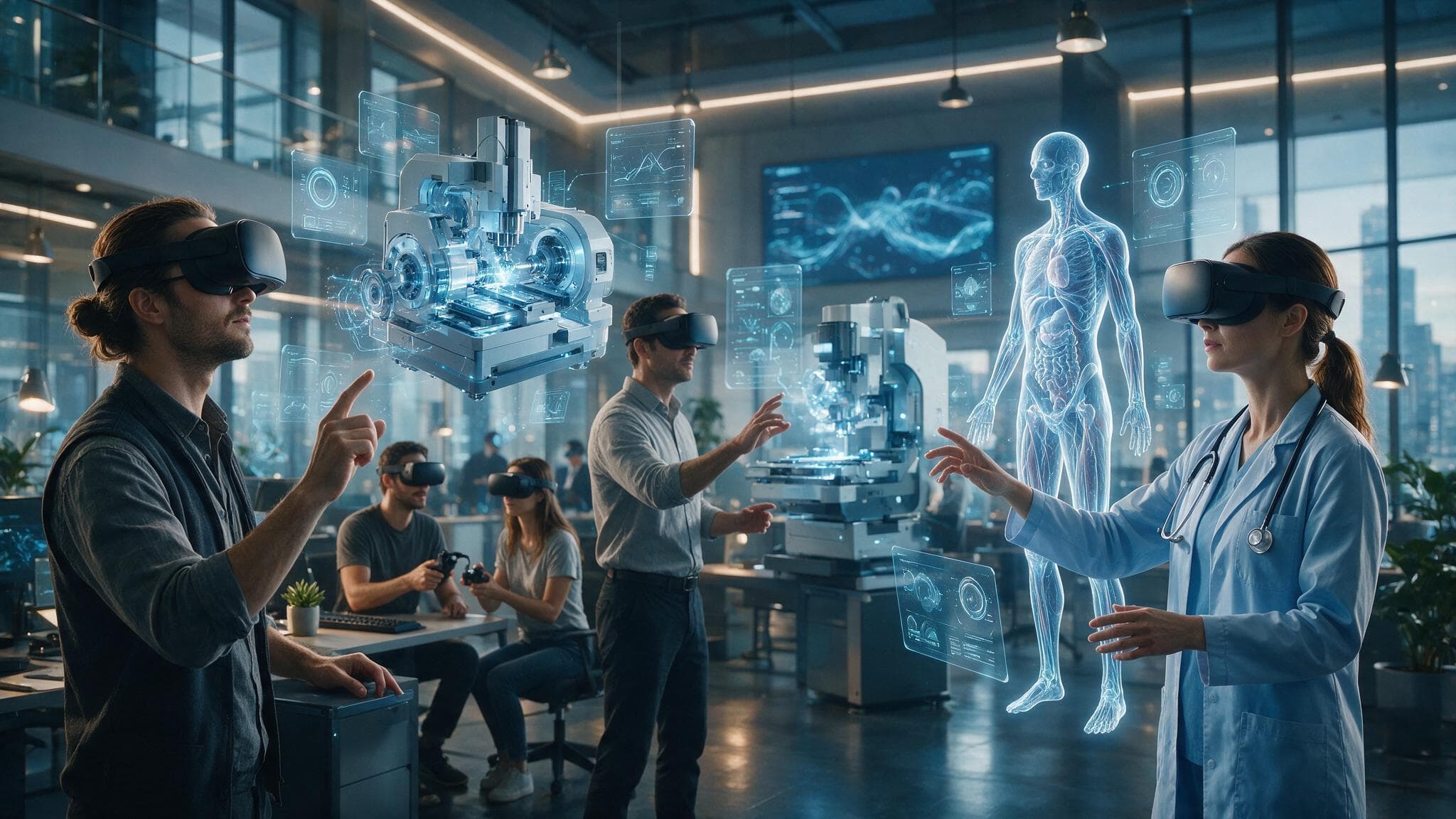

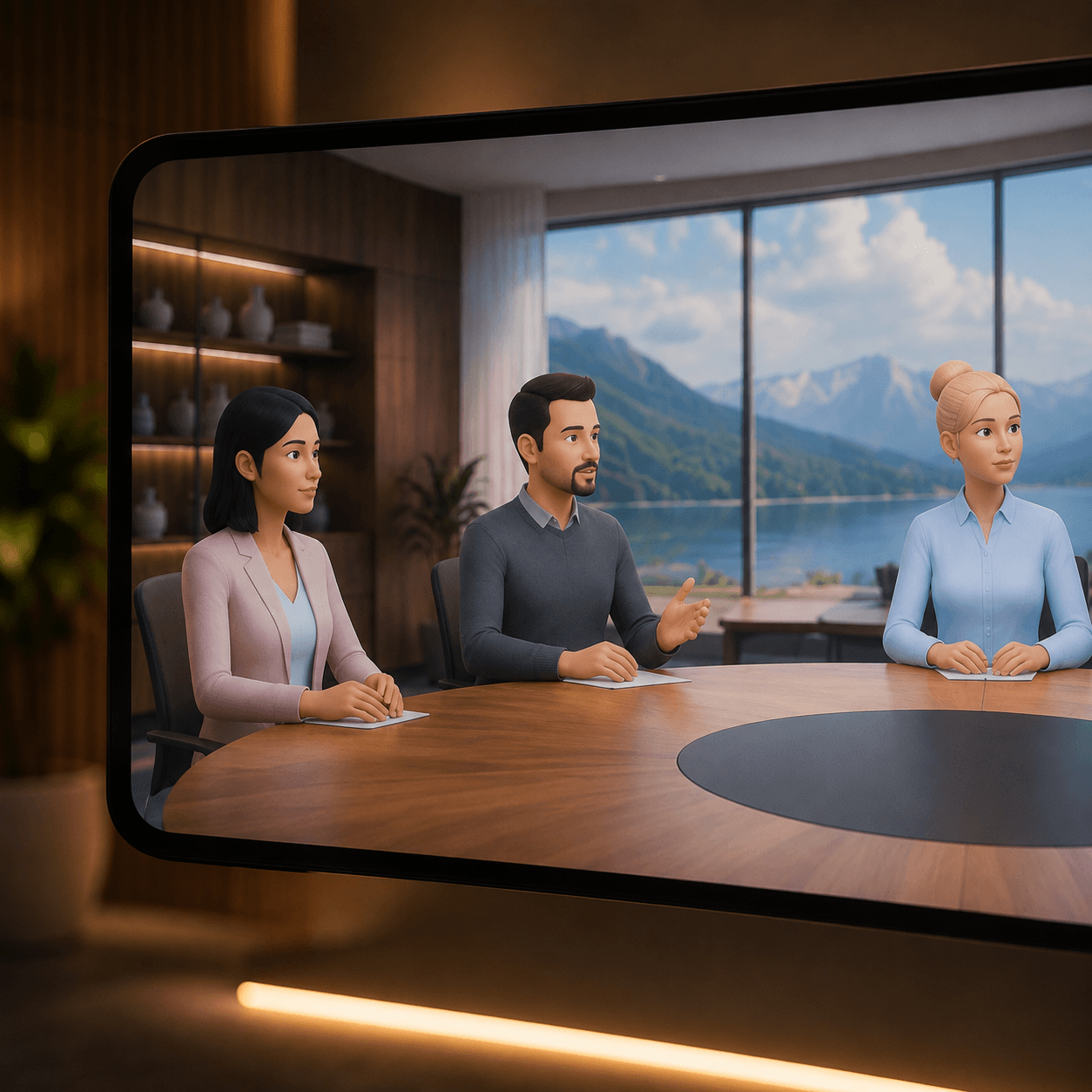
In September 2020, Fidelity Investments officially announced a VR-based onboarding pilot, in which more than 140 employees used VR headsets as part of a distance learning program that replaced Fidelity’s traditional face-to-face training program, with employees entering the virtual meeting space as avatars to learn and interact with colleagues digitally.
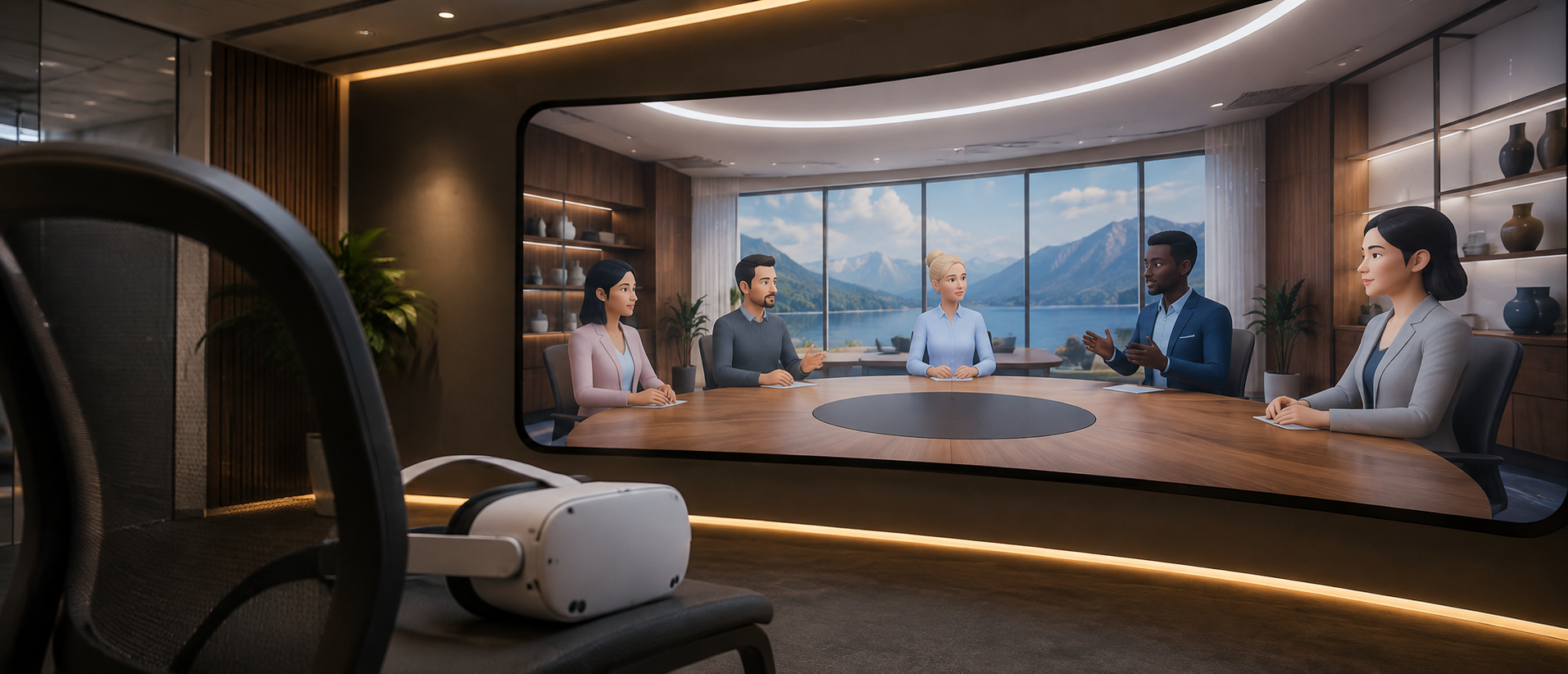
When a major financial institution decides to replace its traditional face-to-face training program entirely with VR rather than simply supplementing it, that decision reveals genuine confidence in the technology’s ability to deliver the specific outcomes in-person training was originally designed for, connection, shared learning, and genuine team cohesion, not just information transfer. Fidelity’s 140-employee VR onboarding pilot offers a genuinely instructive early case study in what that kind of full replacement actually requires to succeed, and this blog breaks down what made avatar-based onboarding a viable substitute rather than a diminished alternative. It opens by explaining the specific problem this pilot needed to solve, replacing not just the informational content of face-to-face training but the relationship-building and team cohesion that new employee onboarding traditionally relies on, a much harder bar to clear than simply delivering the same training material through a different format. The piece walks through why the avatar-based approach specifically mattered for achieving that goal, letting employees enter a shared virtual meeting space and interact with each other as avatars, preserving a genuine sense of presence and social interaction that a standard video call or asynchronous e-learning module fundamentally cannot replicate, since employees could move through the same virtual space together rather than staring at a grid of video tiles. It covers why this distinction between information delivery and genuine social presence matters so much for onboarding specifically, since new employees are simultaneously learning job content and building the working relationships and organizational familiarity that determine how well they integrate into a team long-term, a dimension purely content-focused e-learning largely ignores.
A section will address what this early pilot signals for financial institutions and other large enterprises managing distributed or remote workforces today, arguing that avatar-based, spatially-present VR training offers a genuinely different and often superior alternative to standard video conferencing for onboarding and team-building specifically, not just standard skills training, a distinction worth considering separately when evaluating remote workforce technology investment. The blog also touches on what made this pilot notable as an early, large-scale example, predating much of the current wave of enterprise VR adoption, demonstrating that the core value proposition of immersive remote collaboration was already proving out well before the broader market caught up to it. VR-based employee onboarding, avatar collaboration training, and remote workforce integration are the throughlines here, using an early but genuinely instructive pilot to explore what full VR training replacement requires to succeed.