
Google Research’s Vibe Coding XR, presented at ACM CHI 2026, pairs Gemini with an open-source XR Blocks framework to turn a plain-English prompt into a working, physics-aware WebXR application in under 60 seconds, running in both a desktop browser simulator and directly on Android XR headsets.

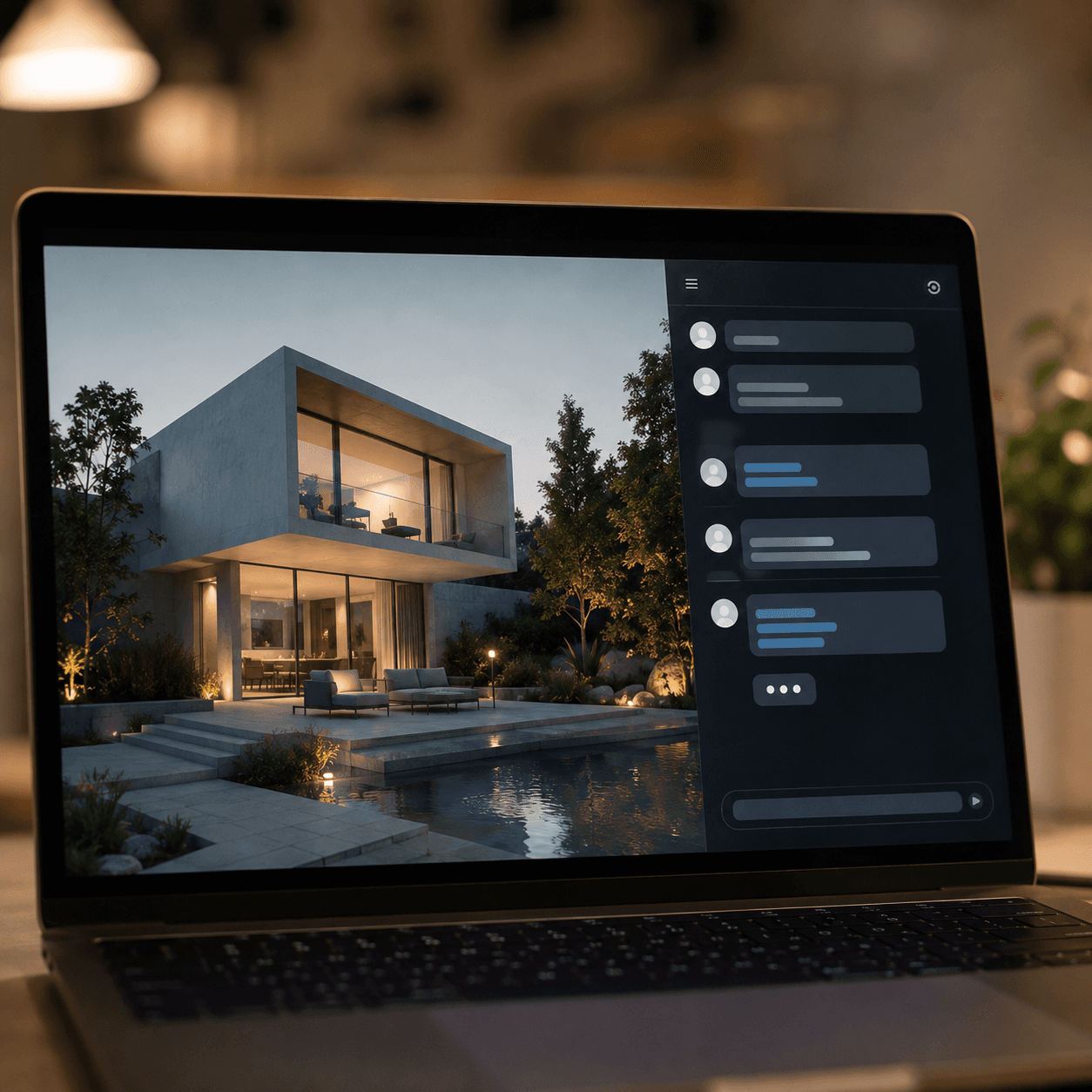
Turning a client’s verbal idea into something they can actually experience has traditionally required real development time, but Google’s Vibe Coding XR system compresses that gap dramatically, generating a working, interactive WebXR prototype from a plain-English description in under a minute, and this blog explores what that speed means specifically for client-facing immersive content workflows rather than treating it as a pure technical curiosity. It opens by explaining what makes this system genuinely different from typical AI code generation, since the output isn’t just functional code but a physics-aware, interactive WebXR application complete with hand interactions and a working user interface, generated through a specialized framework built specifically to handle the spatial computing complexity that has traditionally made XR development a genuinely specialized skill. The piece walks through the practical workflow this enables, describing a prompt, reasoning step, and generated HTML, CSS, and JavaScript populated directly into a live preview, testable immediately in a desktop browser simulator using keyboard and mouse controls before ever touching a headset, dramatically lowering the barrier to seeing a rough concept actually working. It covers what this specific capability means for the earliest, most exploratory phase of client project work, where a client describing a vague idea for an interactive brand experience or training scenario could see a rough, working version within minutes rather than waiting through a scoping and initial build phase measured in days, fundamentally changing how early creative conversations with clients could unfold.
A section will address the realistic scope of what this technology currently handles well versus where professional development expertise remains essential, since rapid prototype generation is genuinely different from the polished, brand-accurate, thoroughly tested experiences that client-facing AR and VR work ultimately requires, meaning the most sensible application is treating this as an accelerated ideation and concept-validation tool rather than a shortcut to finished production work. The blog also touches on why Google specifically building this on top of WebXR rather than a native app framework matters, since WebXR’s built-in advantage of zero-friction, link-based distribution pairs naturally with a rapid-prototyping tool, since a client can immediately try a generated concept just by opening a link rather than installing anything. AI-assisted XR prototyping, rapid WebXR concept validation, and Gemini-powered spatial development are the throughlines here, translating a research tool announcement into a genuinely useful read on how early-stage immersive content conversations with clients could speed up.