
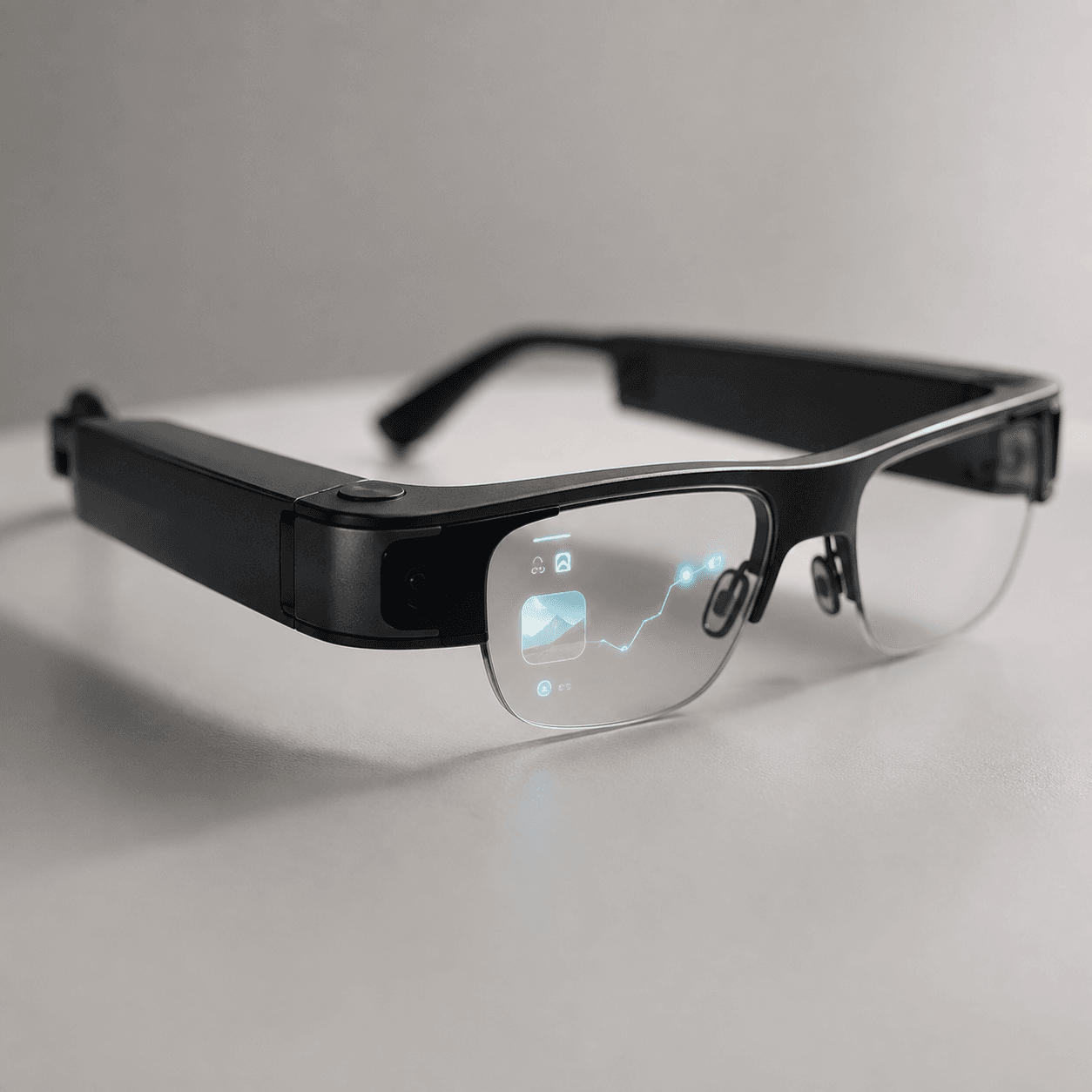
Published July 21, 2026, a hands-on report on Google’s Android XR prototype smart glasses describes the software experience as “the usual great UX from Google,“ offering an early look at how Google’s platform-level design experience is translating into the smart glasses category ahead of Samsung’s fall Galaxy Glasses launch.
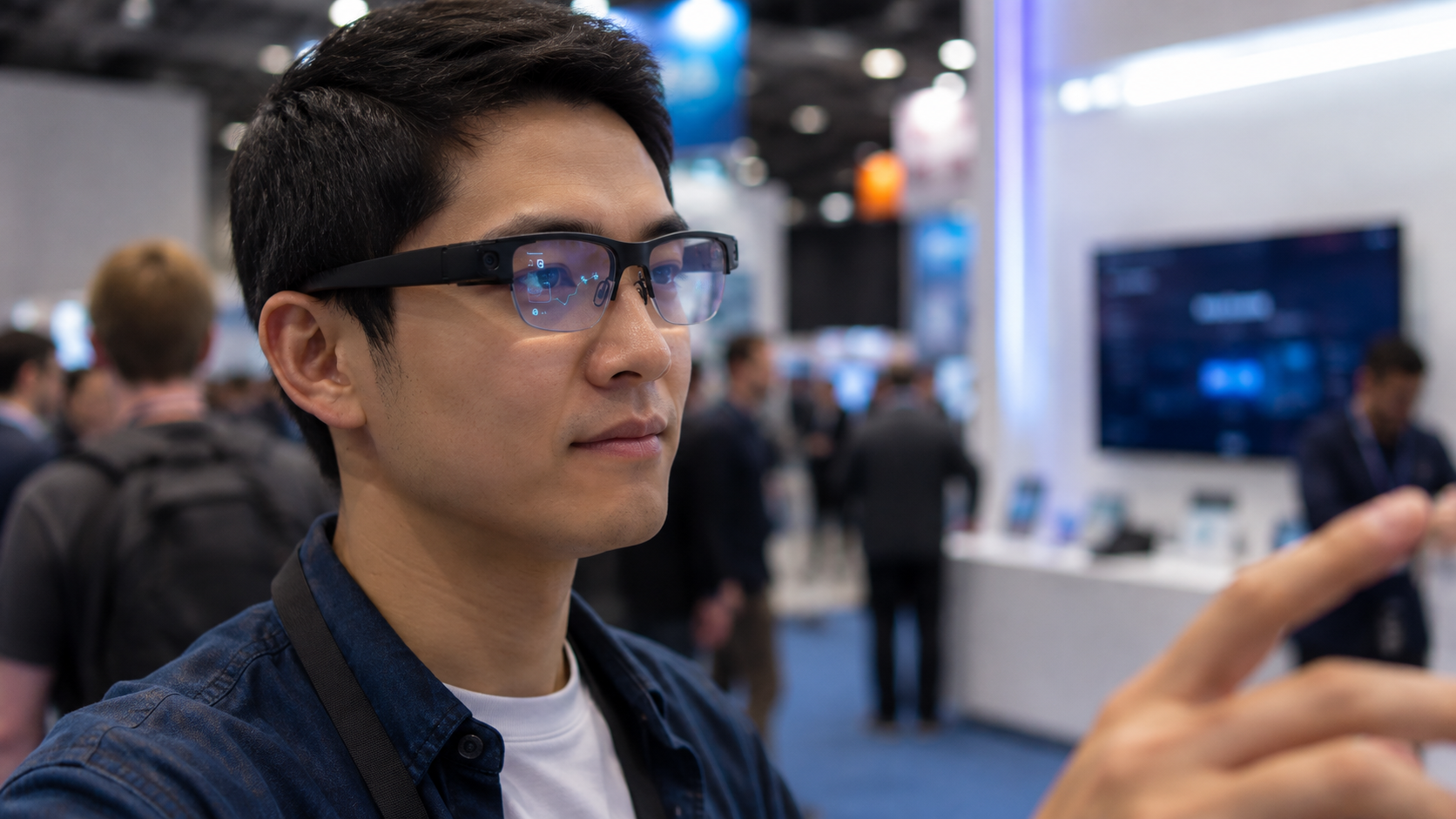
When a reviewer’s headline praise for a brand-new hardware category boils down to “the usual great UX,” it’s actually a meaningful signal worth unpacking, because it suggests the software experience feels consistent and mature even on unfinished prototype hardware, and this blog explores what that consistency means for businesses evaluating Android XR as a platform to build on. It opens by explaining why software maturity matters disproportionately for a brand-new hardware category like smart glasses, since early hardware in any new device category is almost always rough around the edges, but a genuinely well-designed underlying software platform gives users and developers confidence that the experience will improve predictably as hardware iterates, rather than facing a shaky, unpredictable foundation on both fronts simultaneously. The piece walks through why this specific praise matters more coming from Google specifically, given the company’s long track record with Android’s software experience across phones, tablets, and other device categories, suggesting the interface design principles and interaction patterns that made Android successful elsewhere are translating reasonably well into a spatial, glasses-based context. It covers what this means for the broader Android XR ecosystem heading into Samsung’s Galaxy Glasses launch this fall, since a strong, consistent underlying software experience across Google’s own reference hardware suggests third-party manufacturers building on Android XR, like Samsung, Xreal, and others, are working from a genuinely solid software foundation rather than having to compensate for platform-level UX weaknesses in their own hardware and software layers.
A section will address what businesses evaluating which smart glasses platform to build content and features for should take from this early review, arguing that platform-level software quality is a genuinely important, if less visible, factor in long-term platform viability, since a fragmented or inconsistent underlying UX tends to create ongoing friction for both users and developers regardless of how impressive any individual device’s hardware specs look. The blog also touches on the practical timing this review sits within, arriving just ahead of Samsung’s more consumer-facing Galaxy Glasses launch, giving businesses an early, developer-focused signal about platform quality before the more heavily marketed consumer version reaches the broader public. Android XR platform quality, smart glasses software experience, and developer platform evaluation are the throughlines here, using an early hands-on impression to give businesses a useful signal about the software foundation underneath the wave of Android XR hardware arriving this year.