
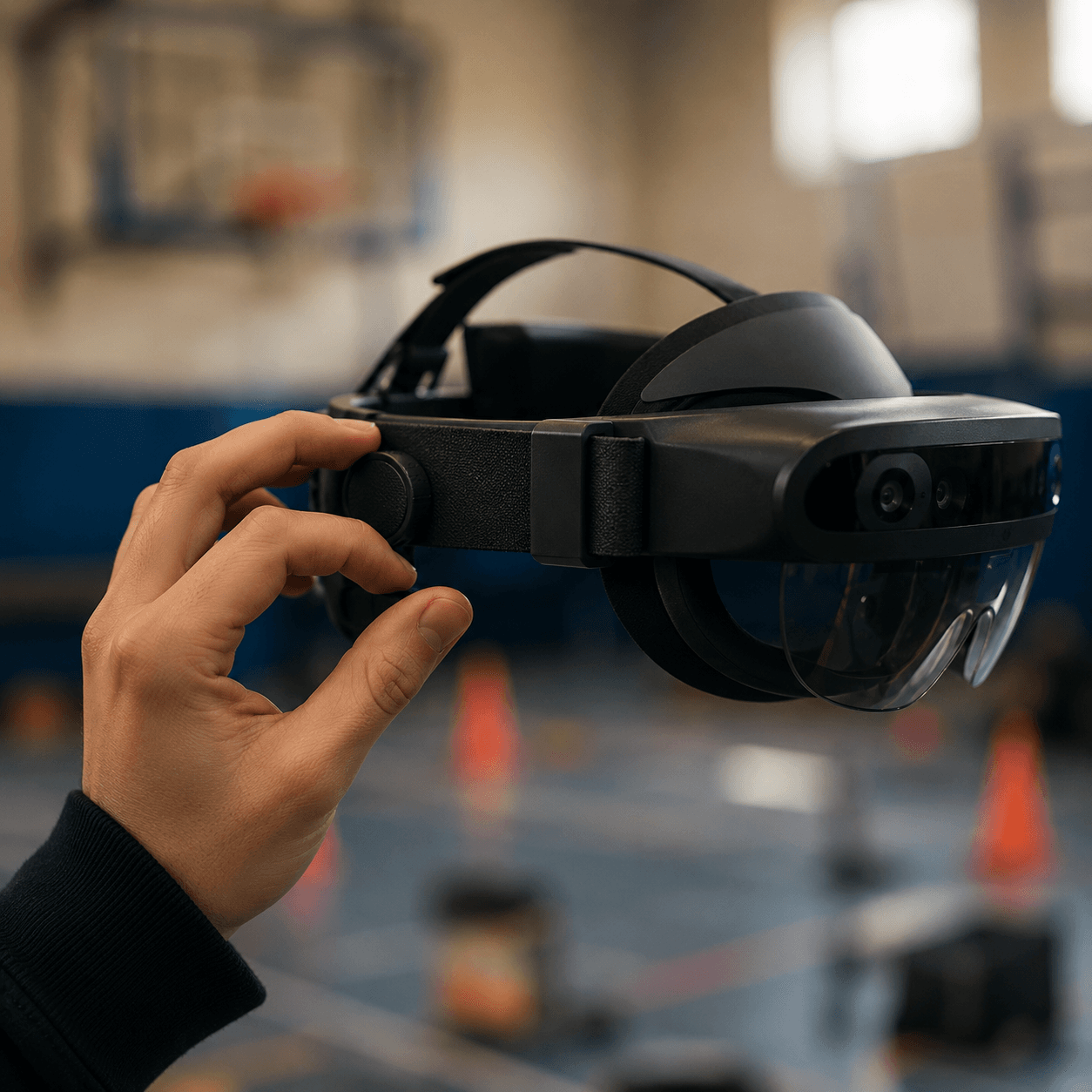
The U.S. Army National Guard has launched ‘Disasterville,’ a mixed reality experience for high schools designed to let students simulate emergency response missions, extending immersive disaster training beyond first responders and into general education.
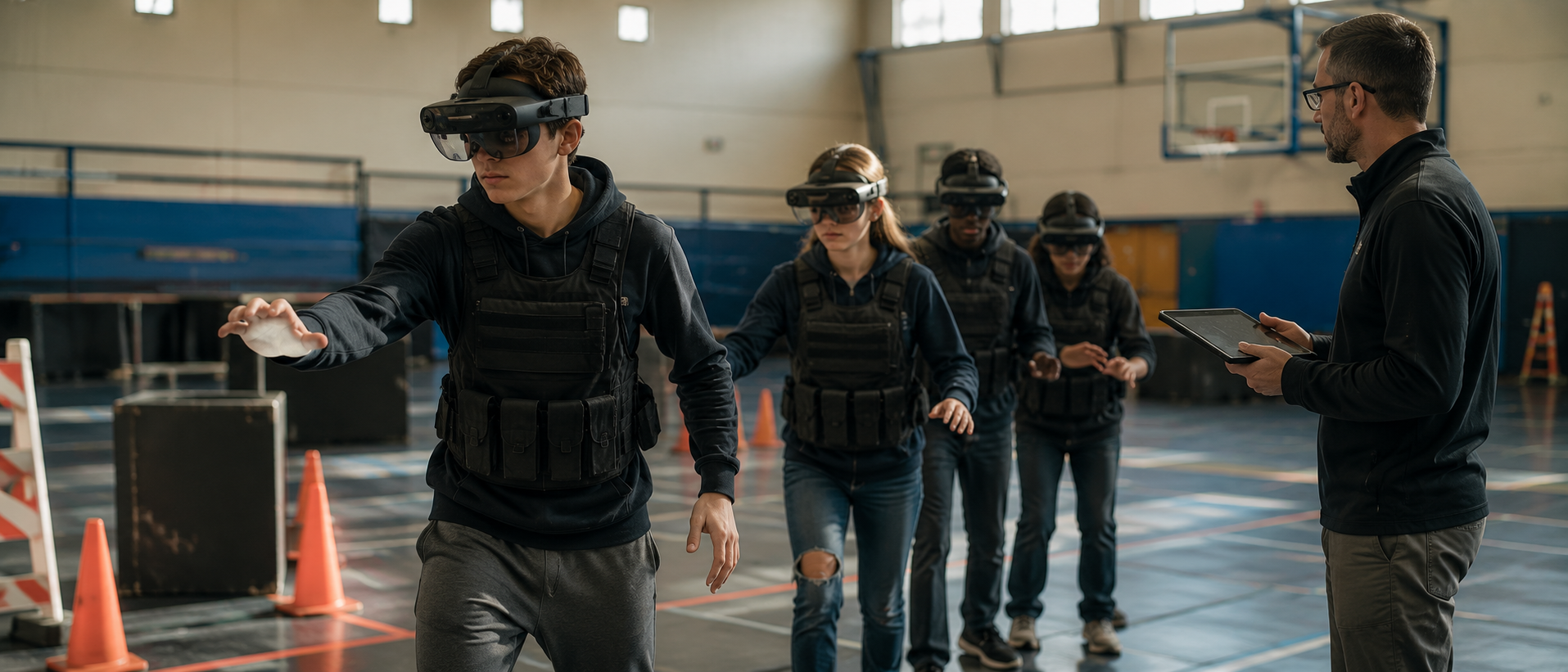
Emergency response training has traditionally been the domain of professional first responders, firefighters, paramedics, and military personnel, but the U.S. Army National Guard’s new Disasterville program brings that same kind of immersive, mixed reality disaster simulation directly into high school classrooms, and this blog explores what that expansion signals about the growing reach of immersive training technology beyond its usual professional and enterprise applications. It opens by explaining the underlying educational goal this program is built around, giving students a genuinely realistic, hands-on understanding of what emergency response actually involves, decision-making under pressure, resource coordination, and situational awareness, rather than the more passive, lecture-based emergency preparedness education most students have historically received. The piece walks through why mixed reality specifically suits this kind of educational experience better than a purely virtual simulation, since blending realistic disaster scenario elements with the student’s actual physical surroundings creates a more grounded, immediate sense of presence than a fully enclosed VR environment, while still allowing safe simulation of genuinely dangerous scenarios students could never practice in a real emergency. It covers what this program reveals about a broader trend in how immersive technology is entering public education, moving well past the novelty of VR field trips and into genuinely skills-based simulation training that mirrors the same pedagogical approach already proven effective in professional and military training contexts.
A section will address why introducing this kind of realistic emergency response training at the high school level carries genuine long-term value, potentially building foundational awareness and composure around emergency scenarios well before students might encounter a real one, whether as future first responders, community members, or simply better-prepared individuals during an actual crisis. The blog also touches on the technology transfer pattern this program represents, taking simulation approaches originally developed and refined for military and professional emergency response training and adapting them for a general education audience, a pattern likely to continue as immersive training technology matures and becomes more accessible outside specialized professional contexts. Mixed reality disaster training, immersive emergency preparedness education, and skills-based simulation for schools are the throughlines here, treating a National Guard education initiative as a genuinely notable expansion of where immersive training technology is now reaching.