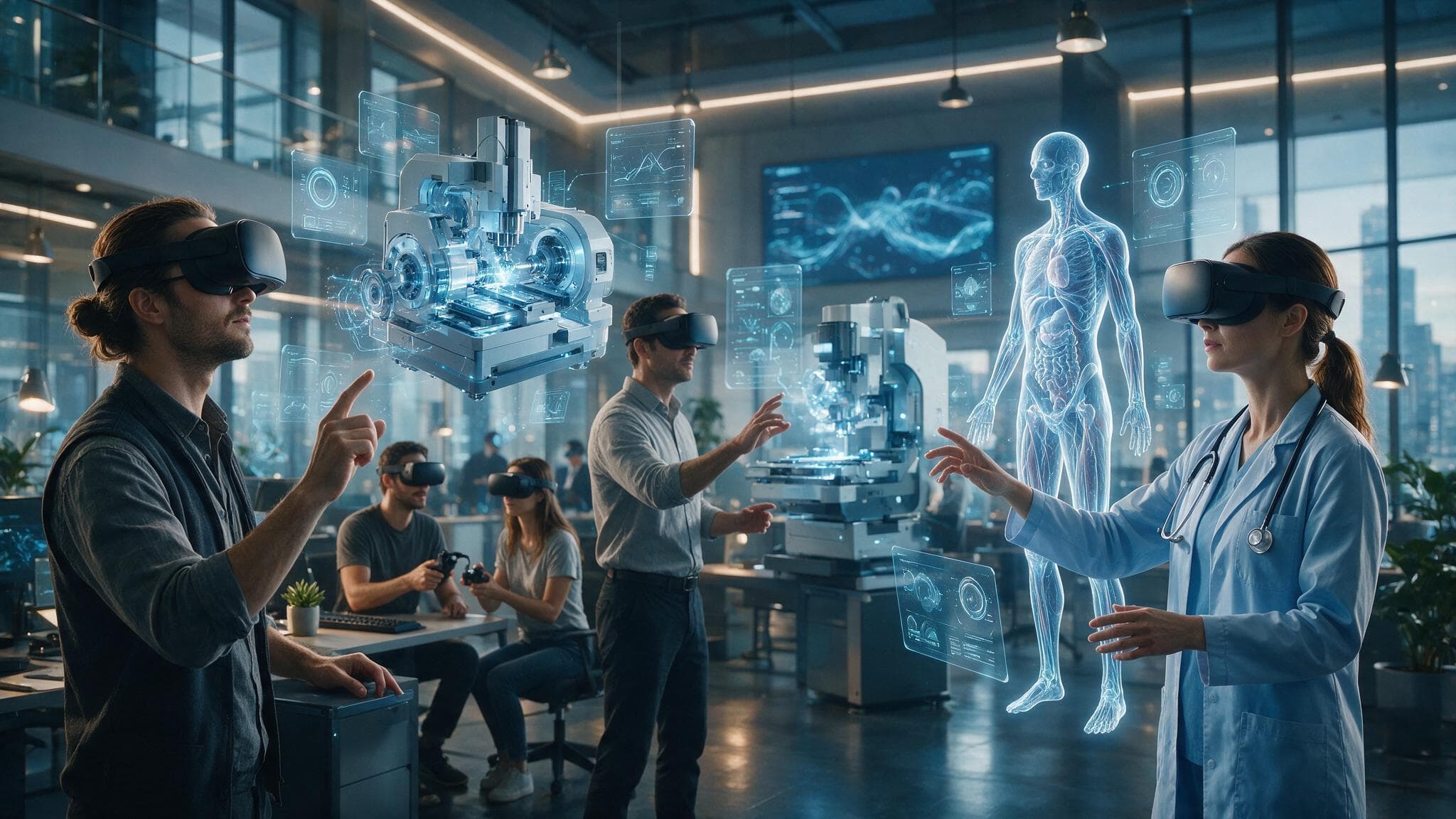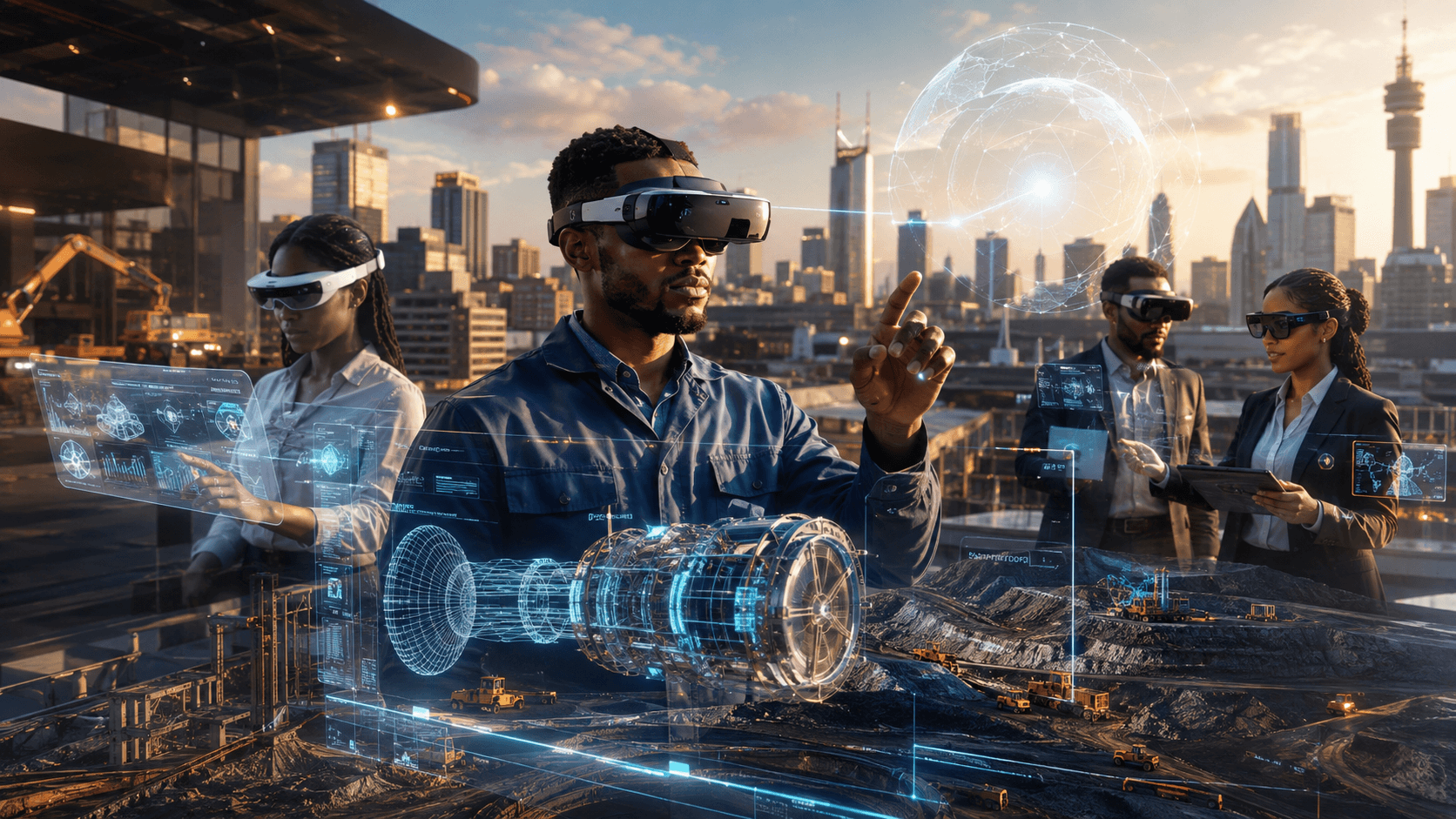

Hololight has overhauled its Stream, Hub, and Space platforms, delivering end-to-end hologram latency under 50 milliseconds, photorealistic rendering streamed from external NVIDIA RTX hardware to any headset, and design review fidelity that has historically required dedicated desktop visualisation workstations.
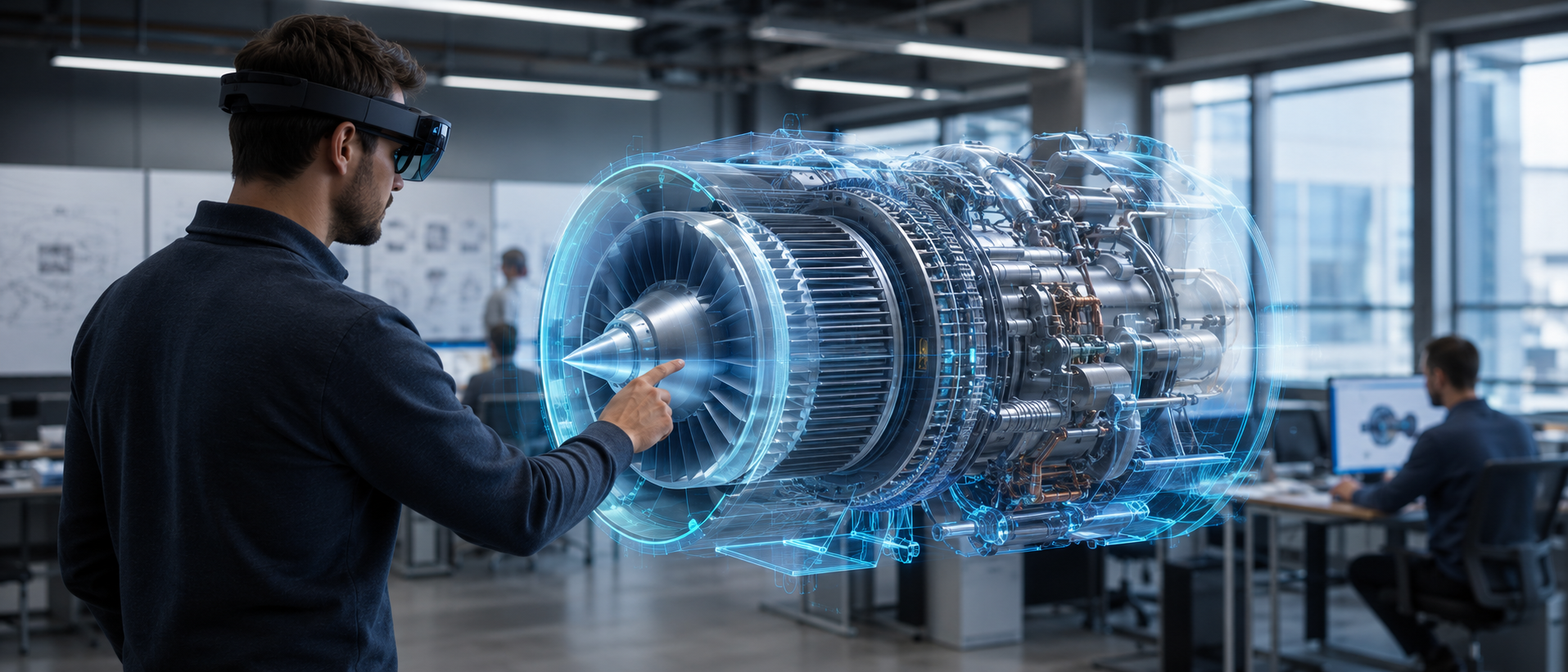
A hologram that drifts even slightly out of place as a technician moves around a piece of equipment is more than a visual glitch, it undermines the entire point of overlaying digital guidance onto a physical object, and Hololight’s newly overhauled platform is built specifically to close that gap, delivering end-to-end latency under 50 milliseconds so digital models stay precisely anchored in physical space regardless of how a user moves. This blog explains why that specific number matters far more than it might sound to someone outside industrial AR, and what the underlying architecture reveals about where enterprise XR infrastructure is heading. It opens by explaining the core technical approach that makes this possible, streaming pixels rather than transferring data, meaning the actual rendering work happens on powerful external NVIDIA RTX hardware rather than the headset itself, and the finished, photorealistic image streams directly to whatever device the user is wearing. The piece walks through why this architecture matters so much for manufacturing and aerospace environments specifically, where technicians work in close physical proximity to real equipment and any lag or drift between the digital overlay and the physical object it corresponds to creates genuine safety and accuracy risk rather than just a minor visual annoyance. It covers the practical business case this update reinforces, referencing documented outcomes from Hololight’s platform showing design reviews that cut errors by up to 90 percent and reduce reliance on physical prototypes enough to lower related production costs by up to 50 percent, results that depend heavily on the underlying streaming technology being reliable enough for teams to actually trust during high-stakes design decisions.
A section will address why hardware-agnostic streaming matters as a long-term infrastructure decision, noting that Hololight’s platform already supports a wide range of enterprise headsets and is built to extend to new devices as they arrive, meaning organizations investing in this kind of streaming layer are insulated from having to rebuild their entire XR workflow every time hardware changes, a real risk given how quickly the underlying device market is shifting. The blog also touches on what this signals for businesses currently running AR pilots on device-native applications rather than a streaming platform, arguing that as rendering fidelity expectations rise, the case for moving compute off the headset and onto dedicated infrastructure becomes increasingly compelling rather than optional. Enterprise XR streaming infrastructure, low-latency industrial AR, and hardware-agnostic design review are the throughlines here, treating a platform update as a genuine signal of what serious industrial AR deployment now requires.