
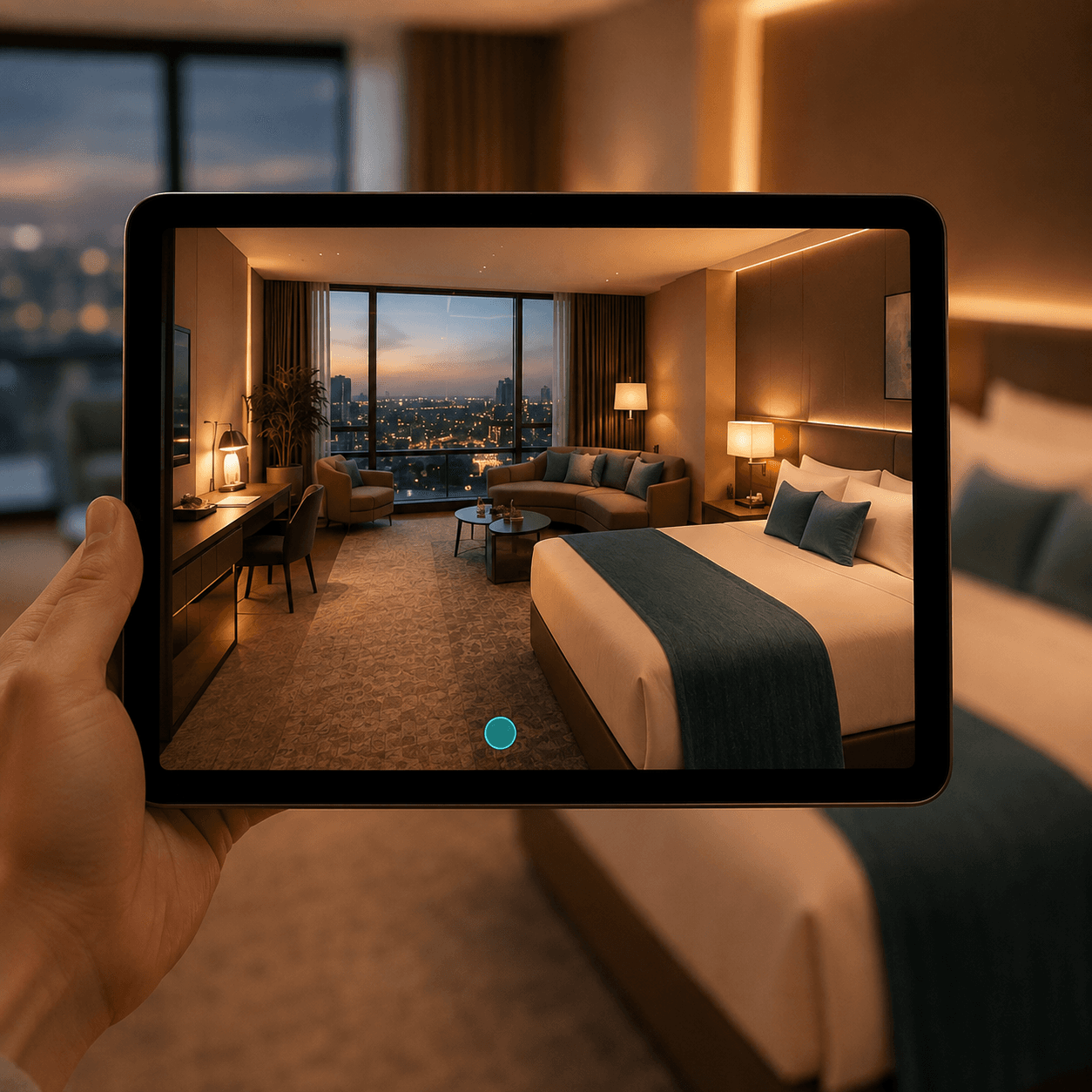
The AR in travel and tourism market is projected to reach $211.14 billion by 2031, growing at a 37.49% compound annual growth rate, with the hospitality sector emerging as a significant driver through virtual room tours and previews that let potential guests explore hotel rooms and amenities before booking, reducing the likelihood of booking disappointment.
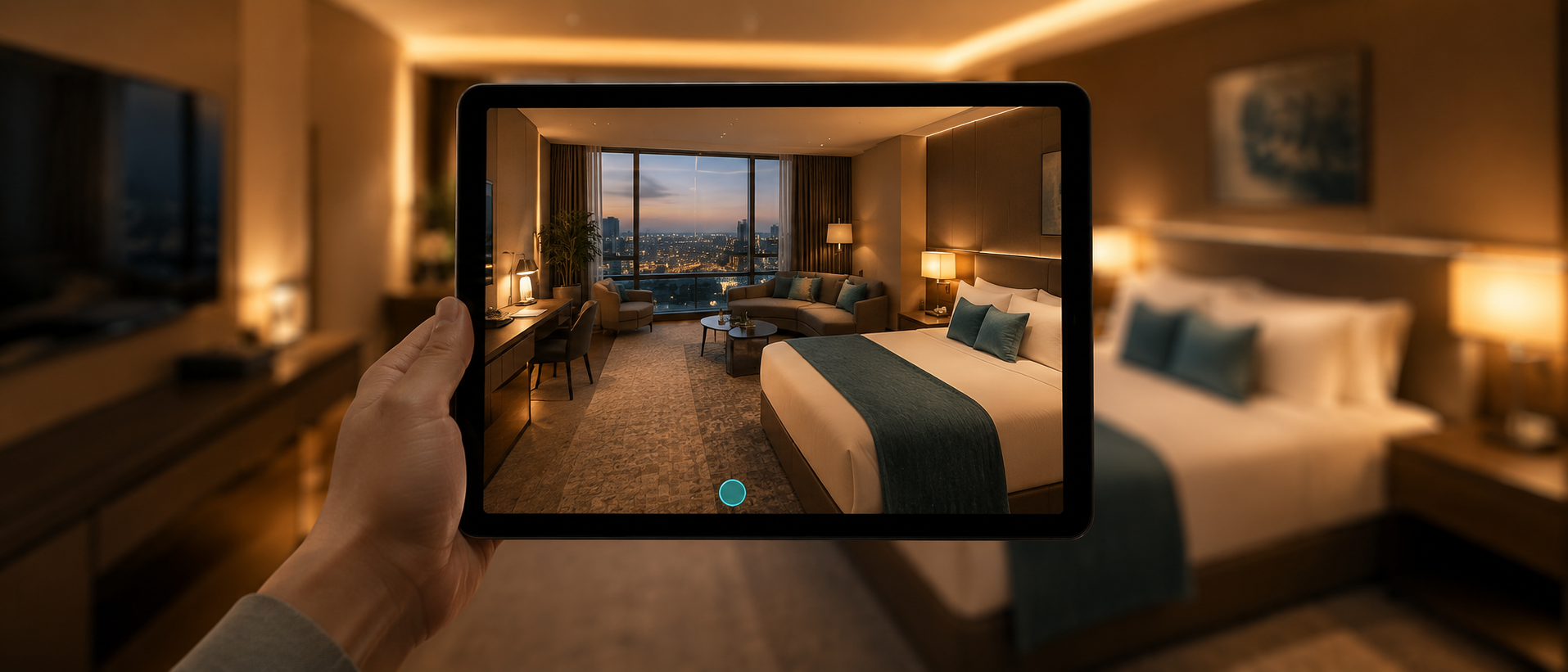
Every hotel booking carries a genuine trust gap, a guest is committing money based on a handful of professionally shot, carefully angled photos that may or may not accurately represent what they’ll actually experience upon arrival, and AR-powered virtual room tours are directly closing that gap, a shift significant enough to help drive a hospitality-focused AR market toward $211 billion by 2031. This blog breaks down why virtual room previews specifically address one of hospitality’s oldest customer trust problems, and what that fix means for both guest satisfaction and hotel operations. It opens by explaining the specific failure mode this technology addresses, that traditional hotel photography, however professionally produced, cannot convey genuine spatial scale, room layout, or the true relationship between a room and its amenities, leaving guests to essentially guess at details that matter enormously once they’re standing in the actual space. The piece walks through what AR virtual tours change about that guest experience, letting a potential guest explore a room and its amenities in an immersive, interactive manner before ever booking, replacing photo-based guesswork with something closer to an actual walkthrough, meaningfully improving the accuracy of a guest’s expectations before they commit financially. It covers why reducing booking disappointment specifically matters so much for hotel revenue beyond the immediate transaction, since a guest whose actual room experience matches or exceeds their pre-booking expectation is measurably more likely to leave a positive review, book directly again, and recommend the property, while a guest who feels misled by photography tends to generate exactly the opposite outcomes across all three of those channels.
A section will address how this same underlying technology extends naturally into in-flight and pre-arrival travel content, referencing how airlines are exploring AR-enabled in-flight entertainment that lets passengers preview destination attractions and hotel accommodations before arrival, extending the same trust-building logic from the hotel booking moment into the broader travel planning journey. The blog also touches on the operational marketing advantage this creates for hospitality brands specifically, since a genuinely differentiated, tech-forward guest experience helps properties stand out in a crowded, heavily price-compared booking marketplace where photos alone increasingly fail to differentiate one listing from another. AR hotel room previews, hospitality booking trust, and immersive travel marketing are the throughlines here, breaking down exactly why closing the gap between expectation and reality is worth thirty-seven percent annual growth in this category.