
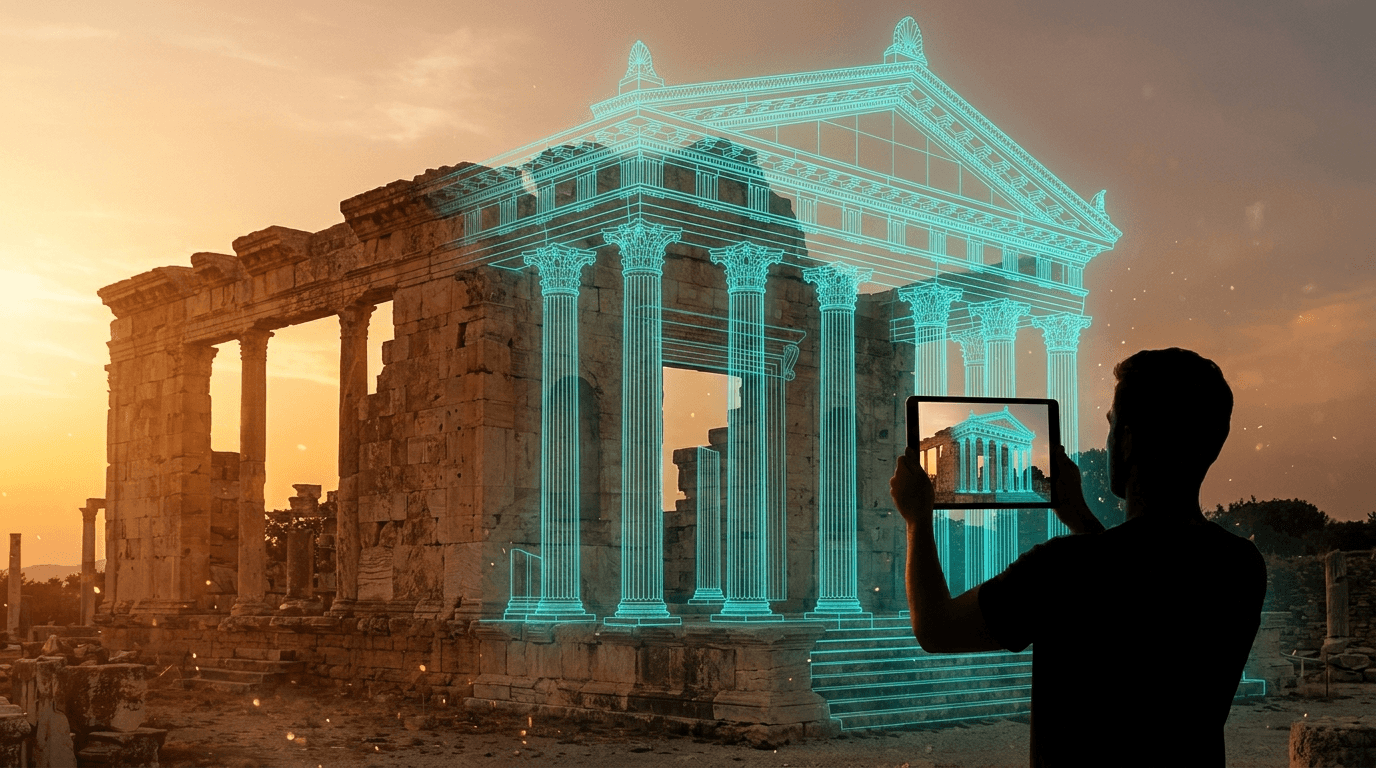
An engaging look at how history and tourism organizations use AR to overlay historical scenes, artifacts, and reconstructions onto physical sites and exhibits, increasing visitor dwell time, ticket sales, and repeat visits. Strong fit for the History and Tourism industry page and shareable on social for top-of-funnel reach.
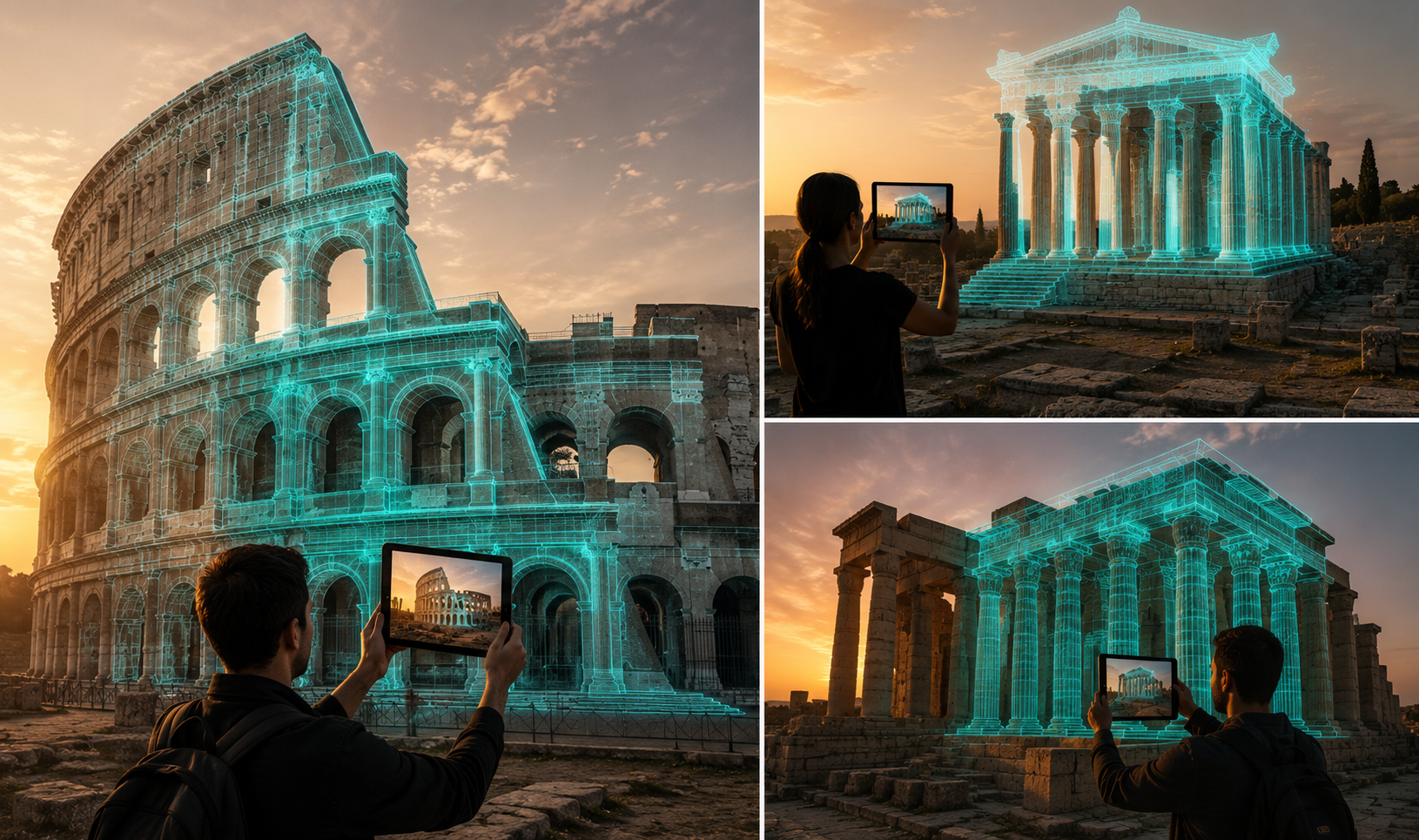
Visitors today expect more than a plaque and a velvet rope, they want to see the past come alive in front of them. AR lets heritage sites rebuild collapsed structures, populate empty rooms with historical figures, and narrate stories layer by layer as a visitor moves through a space. For museums, this means turning static exhibits into interactive journeys that keep guests exploring longer instead of walking past in seconds. For tourism boards and heritage trusts, it opens the door to monetizing sites that were previously “look but don’t touch,” through premium AR-guided tours or ticketed digital add-ons. The technology also solves a real preservation problem, since fragile artifacts and ruins can be digitally reconstructed and explored in full detail without any physical risk to the original site. Younger, digitally-native travelers are actively seeking these tech-enhanced experiences when choosing destinations, making AR a genuine differentiator rather than a gimmick. The blog will walk through real-world examples, the practical steps to bring AR to a heritage site, and how to measure the impact on visitor engagement and revenue.
The article will also explore how AR guided experiences reduce the need for physical tour guides at scale, letting a single heritage site serve far more visitors simultaneously without diluting the quality of storytelling. It will cover how layered AR content can be updated seasonally or tied to special events, giving heritage sites a way to keep repeat visitors engaged with fresh content rather than a static one-time experience. A section will address how AR data, such as which exhibits visitors linger on longest, gives museums and heritage trusts real visitor behavior insights they never had access to with traditional signage. The piece will also touch on multilingual AR storytelling, showing how the same physical site can serve international tourists in their own language without any additional printed materials or staffing. Practical considerations around budget will be addressed too, comparing the cost of an AR deployment against the ongoing cost of printed guides, physical signage updates, and human tour staff. This article is designed to rank for search terms such as “AR museum experience” “heritage site technology” and “AR guided tours” positioning it as a strong organic entry point for tourism boards and cultural institutions. Internal links will point to the History and Tourism industry page and the Virtual Tours & Walkthroughs service page, reinforcing topical relevance and guiding readers toward a scoping conversation.