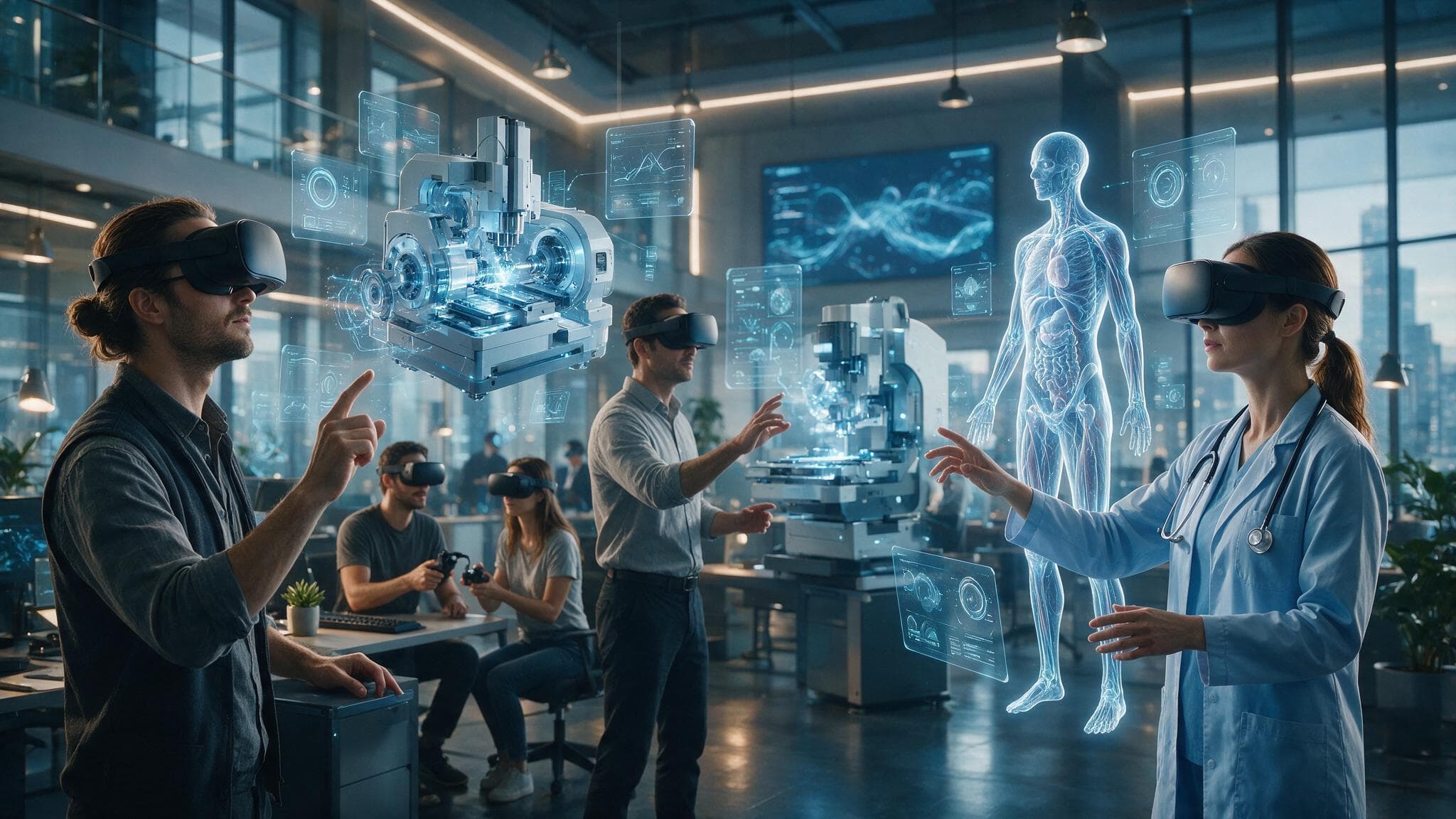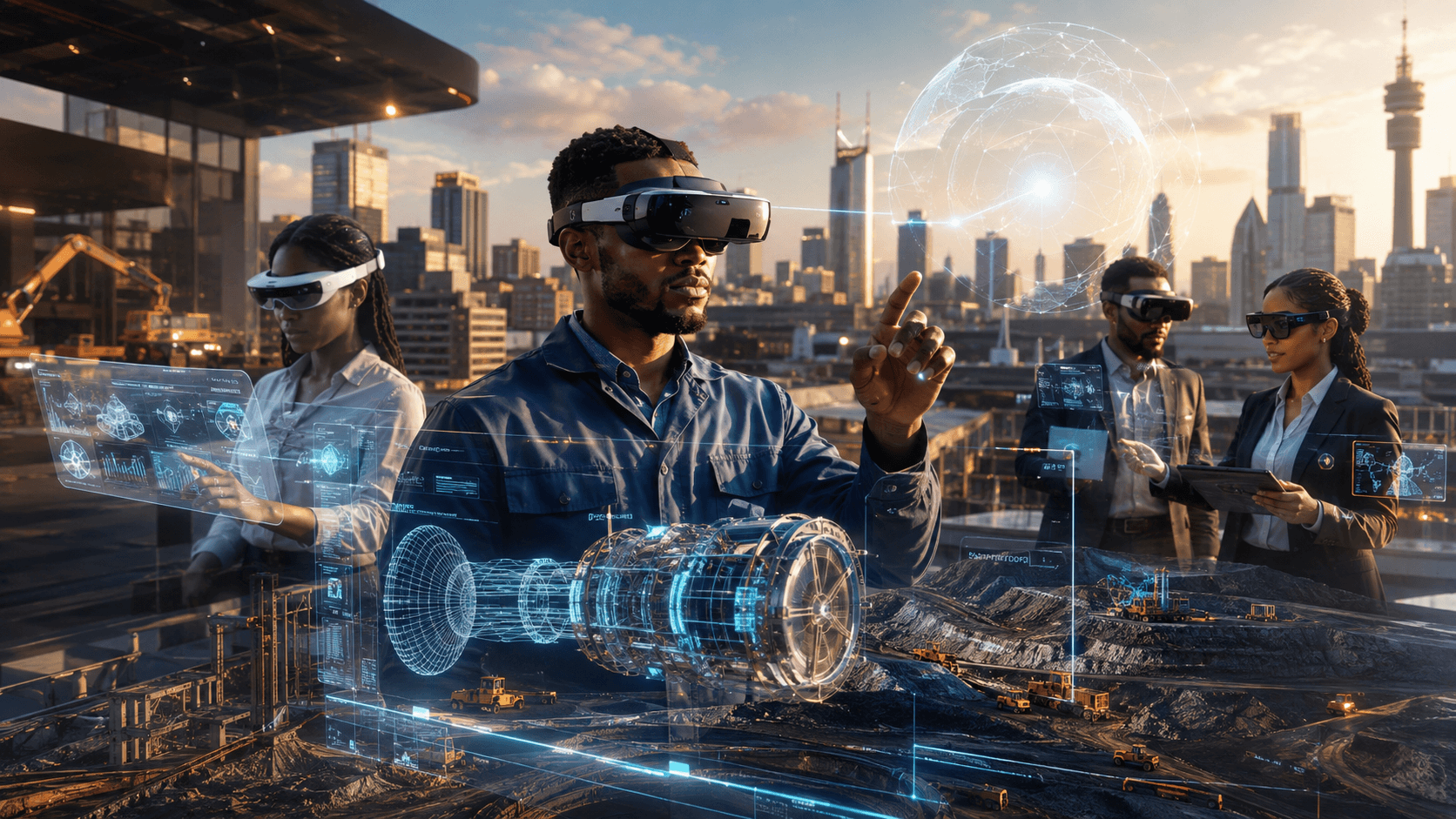

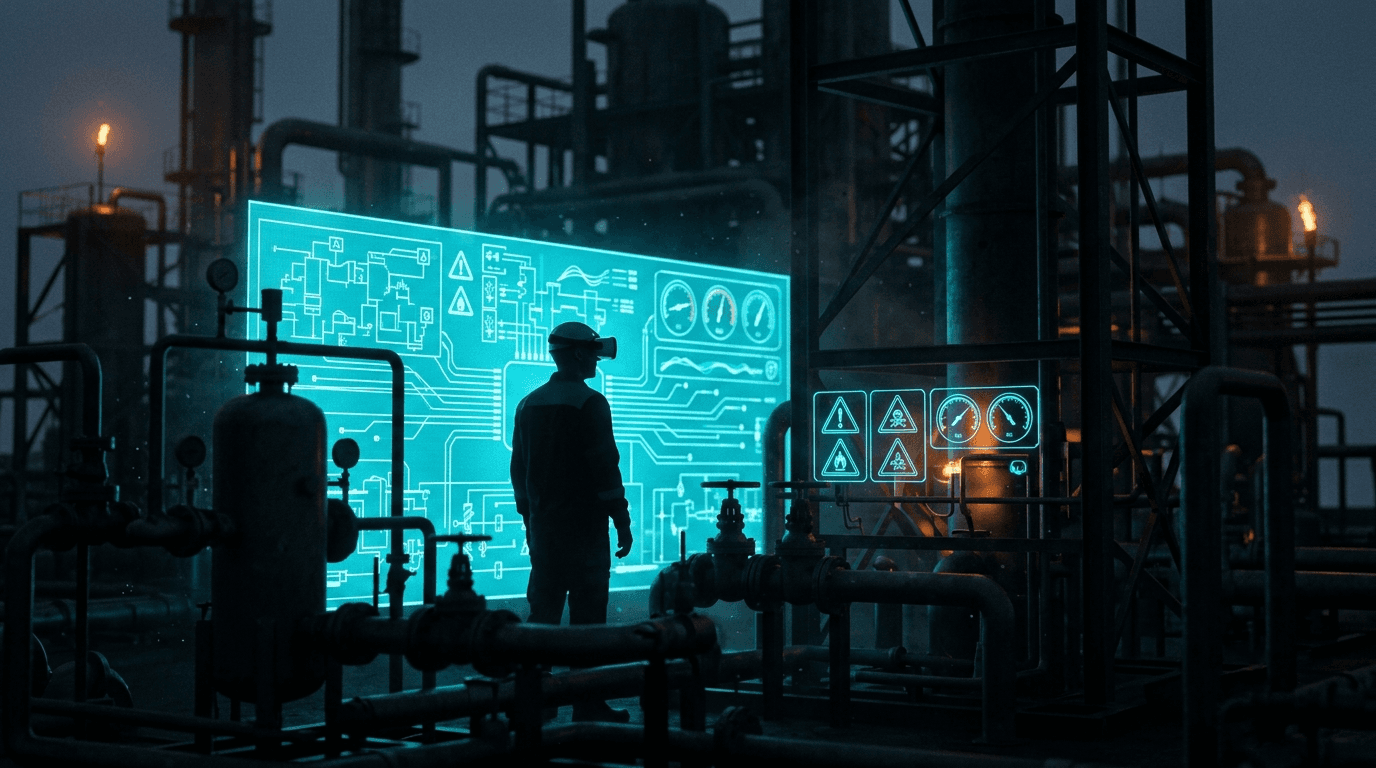
A data-driven piece on why enterprises in oil & gas, manufacturing, and aviation are shifting high-risk training into VR, covering error reduction, faster onboarding, and cost comparisons versus traditional methods. Strong for the Training & Safety and Manufacturing industry pages.
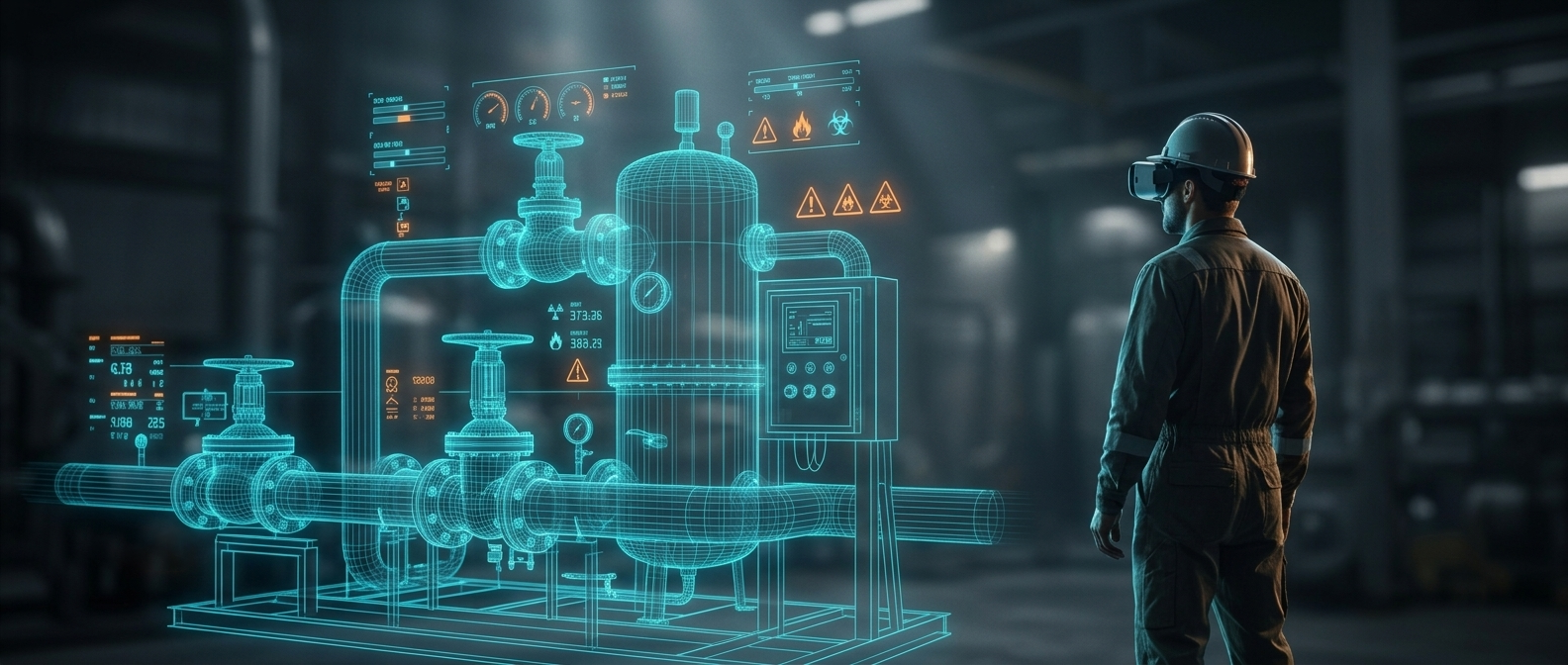
Traditional training methods for high-risk roles rely heavily on classroom instruction, printed manuals, and supervised on-the-job learning, all of which struggle to prepare workers for the split-second decisions required in real emergencies or equipment failures. This piece opens by framing the real cost of that gap, including workplace injuries, equipment damage, and the slow ramp-up time before a new hire is fully productive and trusted on critical tasks. VR training solves this by letting workers rehearse dangerous or rare scenarios repeatedly in a fully safe, controlled environment, building muscle memory and decision-making confidence before they ever face the real situation. The article will reference industry data showing measurable improvements in error reduction, retention of procedures, and speed of onboarding when VR simulation replaces or supplements traditional training methods. For oil and gas, this means rehearsing emergency shutdown procedures or hazardous material handling without any risk to workers or equipment. For manufacturing, it means practicing machine operation, quality control checks, or assembly line procedures in a virtual replica of the actual facility before stepping onto the real floor. For aviation, it means simulating cockpit procedures, ground operations, or maintenance checks in a repeatable, measurable environment that would be far too costly or risky to recreate physically for every trainee.
The blog will also break down the cost comparison directly, showing how the upfront investment in VR training content is offset over time by reduced material waste, fewer safety incidents, lower insurance and liability exposure, and shorter time-to-competency for new hires. A section will cover how VR training data can be tracked and measured, including completion rates, error rates within the simulation, and time-to-mastery, giving safety and training managers hard metrics to report upward rather than relying on subjective assessments. The piece will include real-world framing around how enterprises evaluate the ROI of moving from physical to virtual training, helping readers build an internal business case for their own organization. This article is designed to rank for high-intent search terms such as “VR training for manufacturing,” “reduce workplace errors with VR,” and “VR safety training ROI,” positioning it as a strong lead-generation asset for industrial and safety-focused buyers. Internal links will point to the Immersive Training & Simulation service page as well as the Training & Safety, Manufacturing, Oil & Gas, and Aviation & Aerospace industry pages, reinforcing topical relevance across the site. The article closes with a call to action inviting safety and training leaders to book a scoping call to evaluate whether VR training fits their specific risk profile and workforce size.