
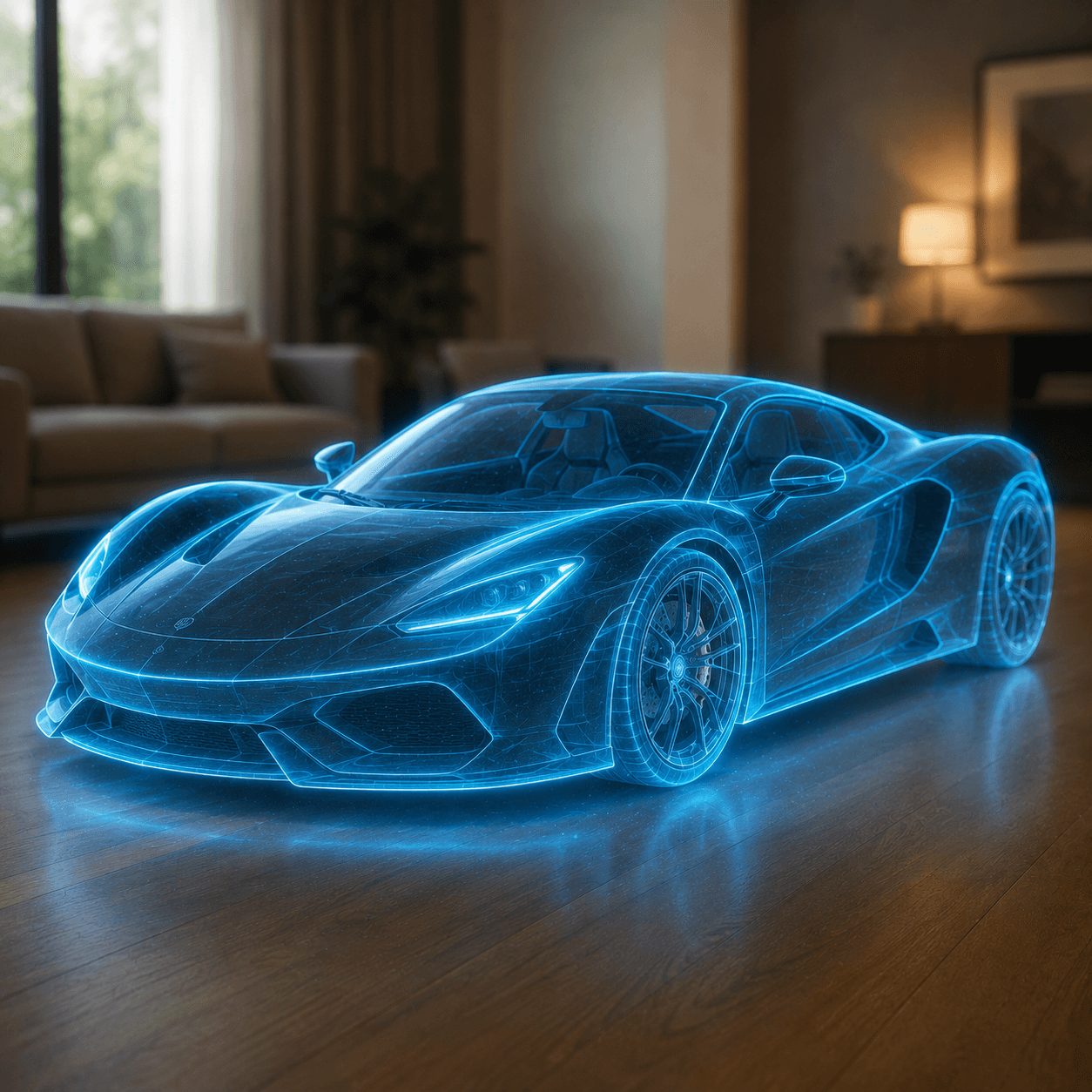
Lamborghini’s free Apple Vision Pro app brings four of its rare vehicles into living rooms with life-sized immersive showcases, part of a broader wave of luxury and automotive brands using spatial computing for product presentation. This follows a pattern already visible across the industry, where enterprises use AR applications to overlay real-time, life-sized digital content directly into a customer’s physical space rather than relying on flat imagery or video.
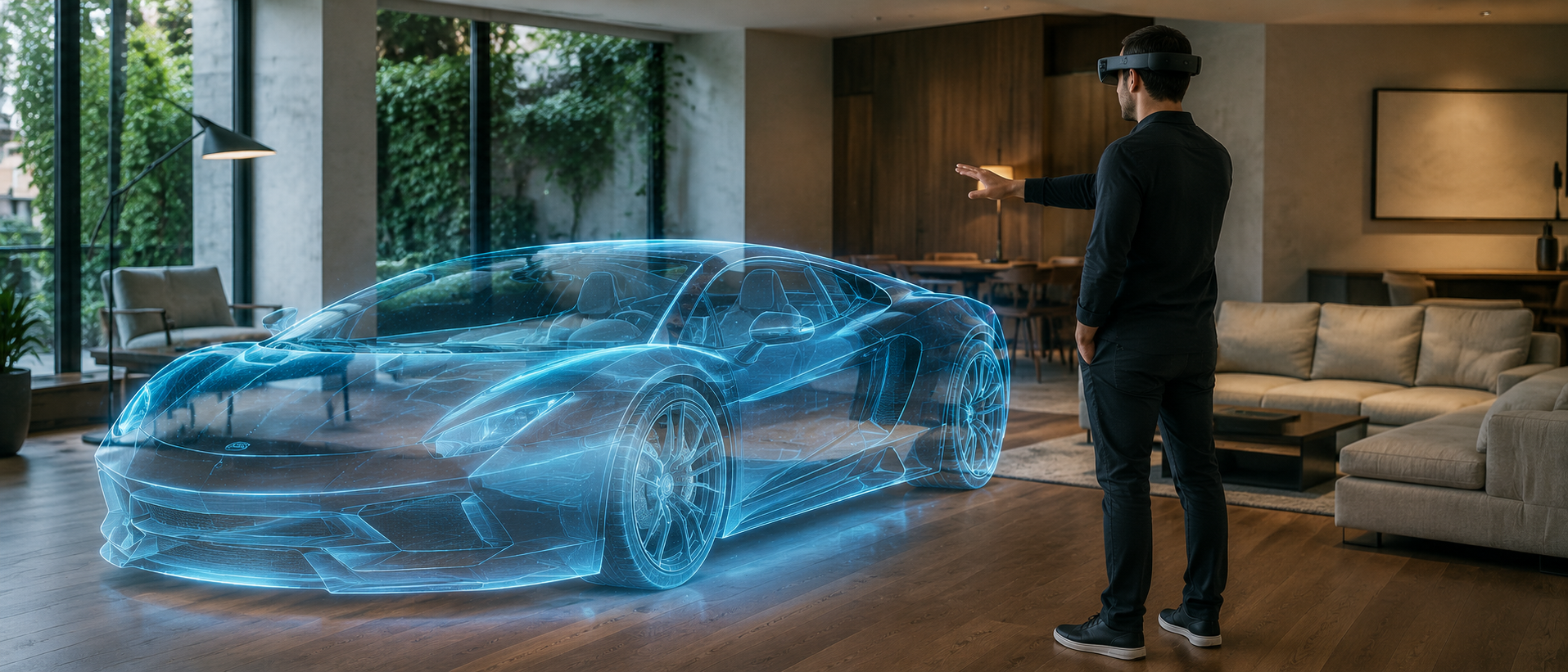
Lamborghini just did something most car brands have only talked about, it put four of its rarest, most exclusive vehicles directly into customers’ living rooms at true, life-sized scale using a free Apple Vision Pro app. This is not a 3D model spinning on a screen, it is a full-scale, walk-around vehicle presence in someone’s actual physical space, and it signals a real shift in how luxury and automotive brands are choosing to present products they cannot put in every showroom. This blog opens by unpacking exactly what Lamborghini built and why the choice to go life-sized rather than miniature or screen-bound matters so much for perceived value, since scale is one of the hardest things to communicate through a photo or video no matter how well produced. It walks through why automotive brands specifically are early movers in this kind of spatial product visualization, pointing to the same core challenge every car brand faces, that the vehicles people are most excited about are often the ones least available to see or sit in physically due to rarity, cost, or geography.
The piece explains how this same approach applies well beyond hypercars, covering how any automotive brand, dealership network, or manufacturer with a limited physical showroom footprint could use life-sized AR presentation to let customers experience a full vehicle lineup without ever visiting a dealership. It breaks down the practical mechanics behind an experience like this, including how life-sized AR differs technically from a simple 3D viewer, why device choice and spatial tracking accuracy matter enormously once an object is rendered at true scale, and what kind of asset quality is required before a vehicle looks convincing enough to stand up to walking around it in real space. A section will address why this moment matters for brand perception specifically, since offering a free, friction-less, high-fidelity spatial experience communicates a level of confidence and technical sophistication that reflects directly onto how the underlying product itself is perceived.
The blog also covers a practical question many automotive and product marketing teams are now asking internally, whether to prioritize AR headset experiences like this one or WebXR browser-based alternatives that reach a far wider audience without requiring a person to own a Vision Pro. Spatial product visualization, life-sized AR automotive showcase, and immersive vehicle presentation are treated throughout as one connected capability rather than separate technical features, giving automotive and luxury brands a clear picture of where product marketing is heading next.