
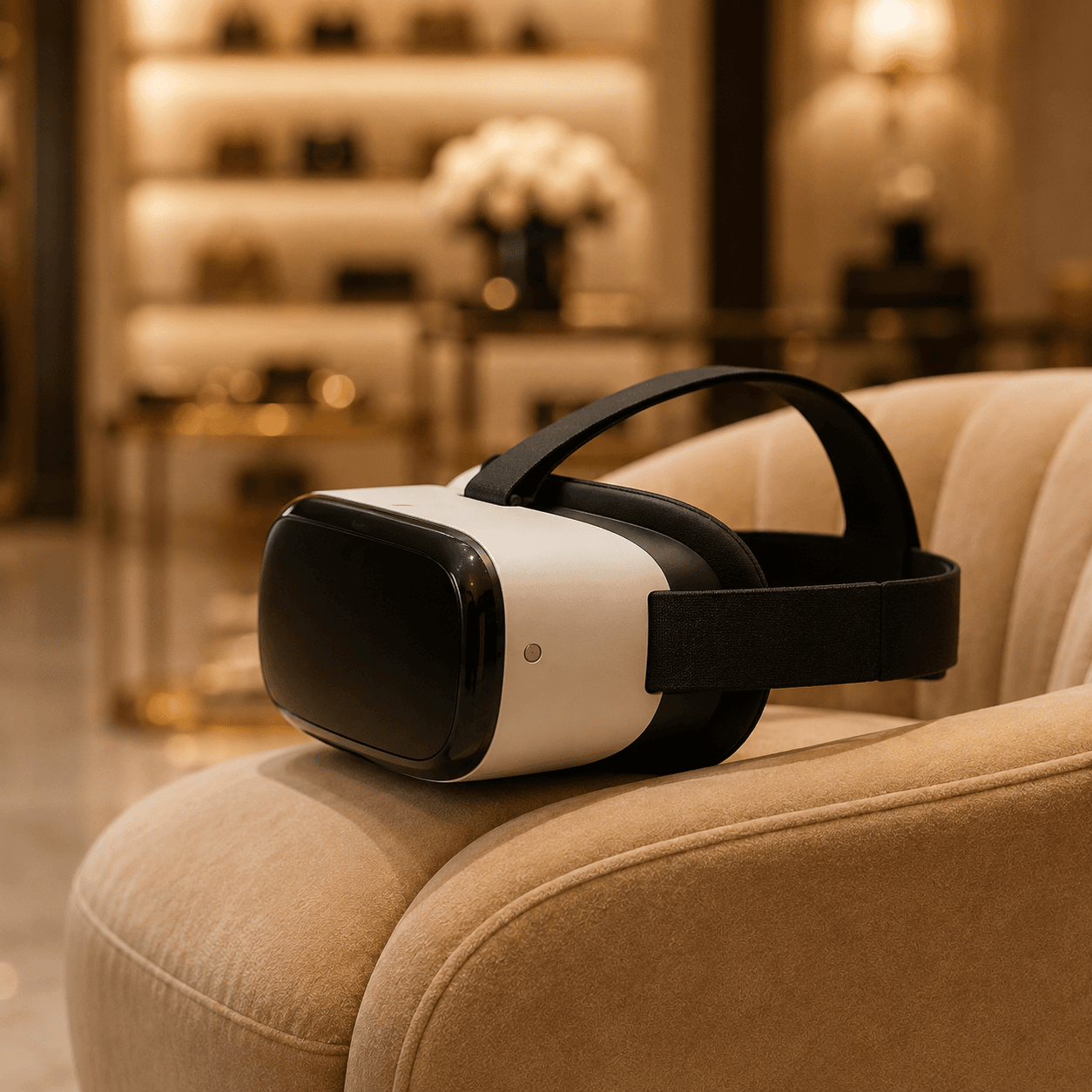
Luxury brands are using VR showrooms to replicate the feel of an exclusive in-store visit, complete with curated product displays, allowing retailers to reach customers in new markets and showcase high-value products in a premium setting without the cost and commitment of physical retail expansion.
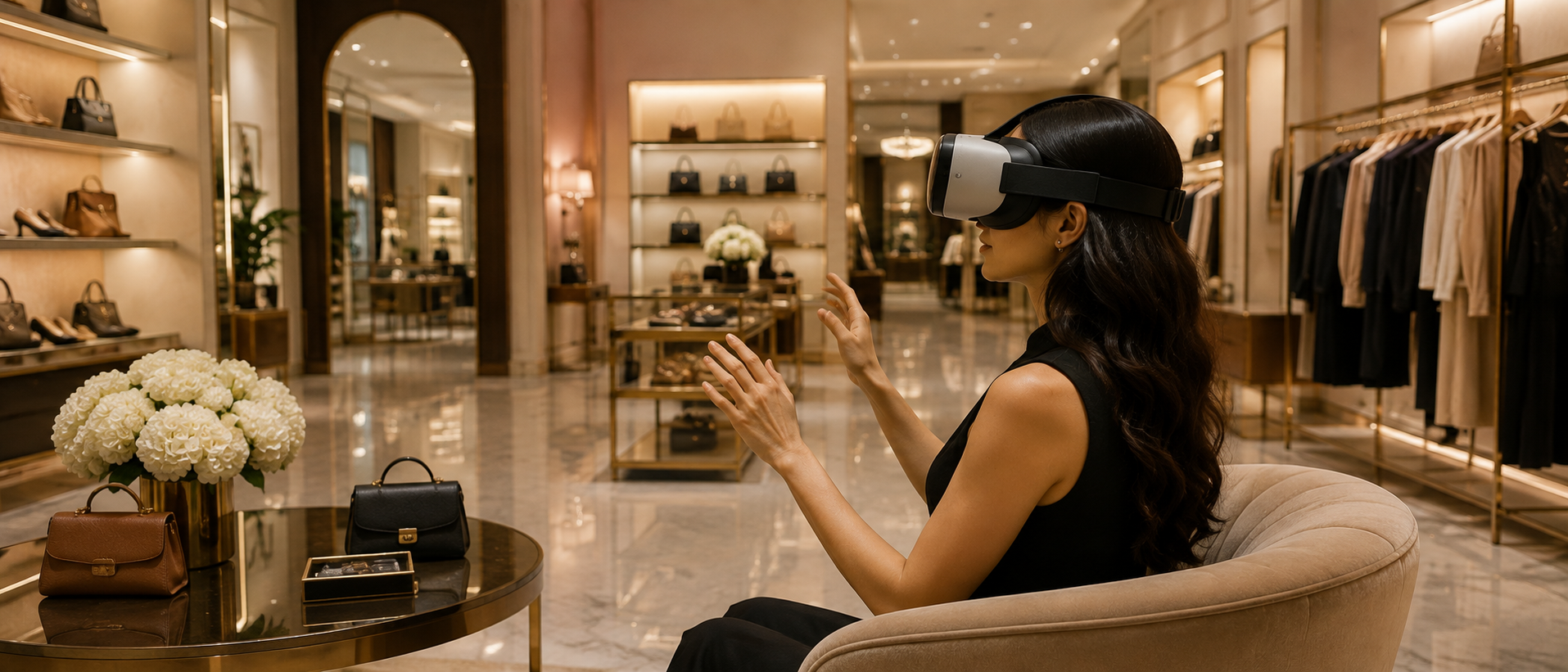
Opening a new physical luxury retail location is an enormous capital commitment, prime real estate, extensive build-out, dedicated staff trained to the brand’s exact standard, and many luxury brands are increasingly choosing to reach new markets through VR showrooms instead, replicating the curated, exclusive feel of an in-person visit without that same physical and financial commitment. This blog explores why VR specifically, rather than a standard e-commerce website, is the format luxury brands are choosing for this expansion strategy, and what makes a genuinely convincing luxury VR showroom different from a simple product catalog. It opens by explaining the core brand challenge luxury retailers face online, that luxury purchasing decisions depend heavily on a sense of exclusivity, craftsmanship, and curated presentation that a standard e-commerce grid of product photos actively undermines, since the entire visual language of typical online shopping feels fundamentally at odds with what makes a luxury experience feel luxurious in the first place. The piece walks through what a VR showroom specifically preserves that a website cannot, letting a customer move through a fully designed, deliberately paced digital space with curated product displays, mirroring the sense of discovery and exclusivity a customer would experience walking through an actual flagship boutique, rather than scrolling through a flat grid of thumbnail images. It covers why this matters specifically for market expansion strategy, since a VR showroom lets a luxury brand reach customers in cities or countries where opening a physical flagship store would not yet be commercially justified, giving the brand genuine market presence and premium positioning in that region without the multi-year commitment a physical location requires.
A section will address the specific product categories where this approach delivers the strongest results, arguing that high-value products with meaningful visual or tactile storytelling, watches, fine jewelry, couture, benefit most from an immersive showroom format, since these categories depend heavily on the kind of detailed visual presentation and brand narrative a VR environment can deliver in ways a standard product page cannot. The blog also touches on why this strategy represents a genuinely different commercial logic than mass-market AR try-on tools, since luxury VR showrooms are optimized primarily for brand experience and exclusivity rather than pure conversion rate, a distinction worth understanding before applying mass-market retail AR metrics to evaluate a fundamentally different kind of immersive investment. Luxury retail VR strategy, immersive brand showrooms, and premium market expansion are the throughlines here, explaining why VR has become a genuine alternative growth channel for luxury brands rather than simply a marketing gimmick.