

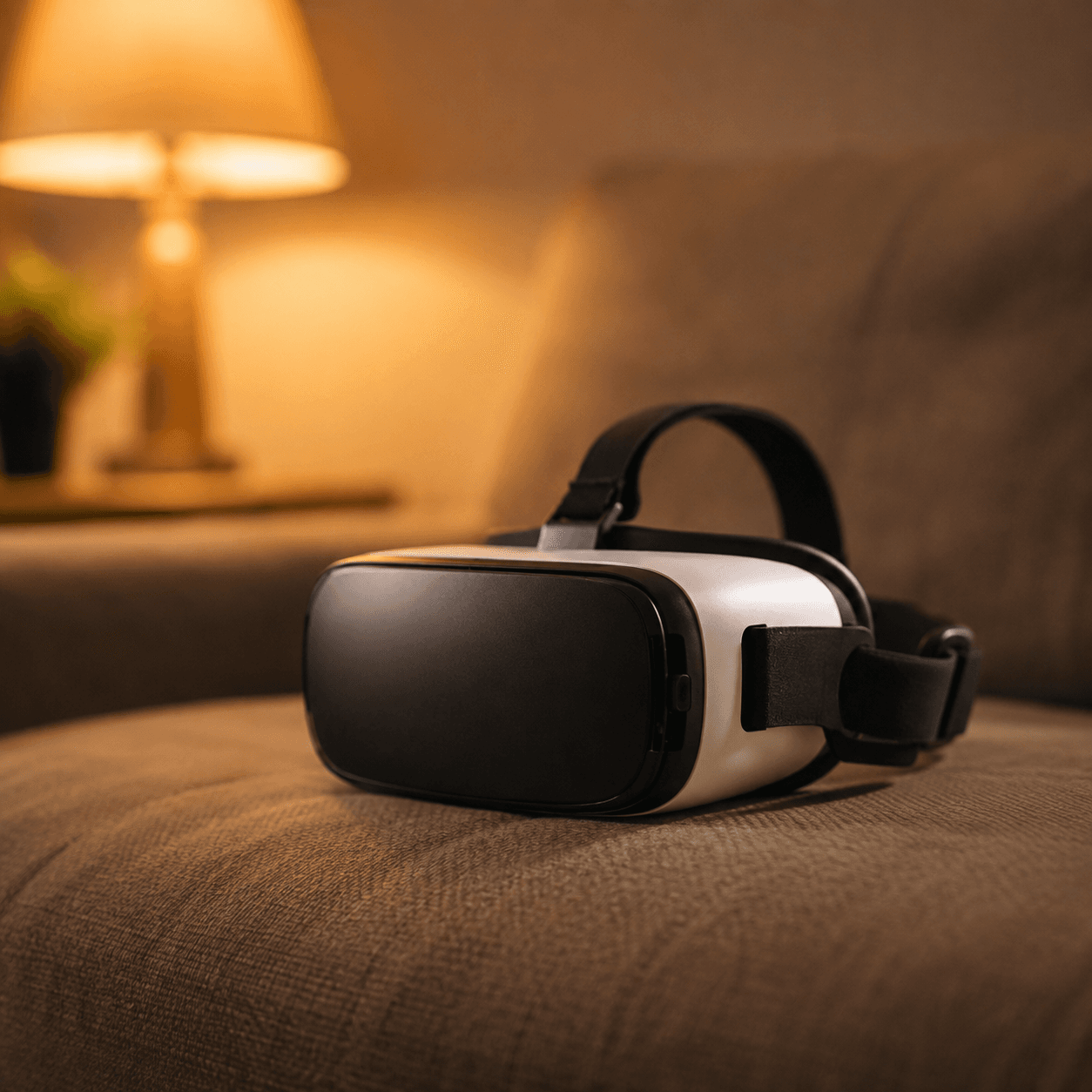
YBVR and Manchester City have launched City Space, a new immersive VR experience on the Xtadium platform for Meta Quest headsets, giving fans a persistent virtual environment connected to the club.

Sports franchises have experimented with AR overlays and highlight reels for years, but Manchester City’s new City Space experience on the Xtadium platform represents something more ambitious, a persistent, ongoing virtual space fans can return to repeatedly rather than a one-off event tied to a single match. This blog explores what makes a persistent VR fan space genuinely different from typical sports AR content, and why that distinction matters for how clubs build long-term fan engagement. It opens by explaining the core limitation most sports AR and VR content has faced, that the majority of immersive sports experiences are built around a single live match or event, giving fans a reason to engage once but no ongoing reason to return afterward, a fundamentally different value proposition than a persistent space fans can revisit between match days. The piece walks through what building on the Xtadium platform specifically for Meta Quest headsets signals about this project’s ambitions, since developing for an established, purpose-built sports VR platform rather than a one-off custom build suggests genuine investment in a lasting fan engagement channel rather than a short-term marketing activation. It covers why persistent virtual spaces matter so much for the specific metrics sports organizations actually care about, since fans returning to a virtual space repeatedly between matches builds exactly the kind of sustained engagement and brand relationship that drives merchandise sales, membership renewals, and season ticket loyalty, outcomes a single-event AR filter or highlight overlay struggles to meaningfully influence.
A section will address what other sports organizations and entertainment brands should take from this specific approach, arguing that the strategic shift from single-event immersive content toward persistent, ongoing virtual spaces represents a meaningfully more sophisticated fan engagement strategy, treating VR as an ongoing relationship channel rather than a novelty tied to a single moment. The blog also touches on why headset-based VR specifically, rather than phone-based AR, makes sense for this kind of persistent fan space, since a dedicated headset experience can support a considerably richer, more immersive environment than a phone screen allows, better justifying the kind of repeat engagement a persistent space is designed to encourage. Persistent VR fan engagement, sports club immersive strategy, and long-term brand loyalty through VR are the throughlines here, exploring what a genuinely ongoing virtual fan space reveals about the next stage of sports immersive technology.